A defence system misfiring
The immune system’s job is to recognise and remove genuine threats, such as bacteria, viruses and parasites, while ignoring harmless things like food, pollen and our own cells. In an allergy, that judgement fails. The body reacts to an ordinarily harmless substance, called an allergen, as if it were dangerous. Common allergens include tree and grass pollen, house dust mites, pet dander, mould spores, insect stings, certain medicines and foods such as peanuts, tree nuts, milk, eggs, sesame, fish and shellfish. The result can be sneezing and itchy eyes, hives and swelling, wheezing, stomach upset or, in severe cases, a dangerous whole-body reaction. Allergies are among the most common chronic conditions worldwide.
How a reaction unfolds
Allergy usually develops in two stages. The first exposure produces no symptoms but causes sensitisation: the immune system produces a type of antibody called immunoglobulin E, or IgE, specific to that allergen. These antibodies attach to mast cells, immune cells concentrated in the skin, the lining of the nose, the airways and the gut. On a later exposure, the allergen binds to the IgE on those cells and triggers them to release histamine and other chemical signals. Histamine widens blood vessels, makes them leaky and irritates nerves, producing swelling, redness, itching, mucus and narrowed airways. Symptoms can start within minutes, and a later phase of inflammation may follow hours afterwards.
When it becomes an emergency
Anaphylaxis is a severe allergic reaction that affects several body systems at once. It can cause swelling of the throat or tongue, difficulty breathing, wheezing, a sudden drop in blood pressure, dizziness and collapse. Food, insect stings and some medicines are the most common triggers. Anaphylaxis is a medical emergency. The first-line treatment is an injection of adrenaline, also called epinephrine, which narrows blood vessels, opens the airways and reduces swelling. People known to be at risk are often prescribed adrenaline auto-injectors and advised to carry them at all times. After using one, they should still seek emergency medical care, because symptoms can return once the dose wears off.
Allergy in the Gulf
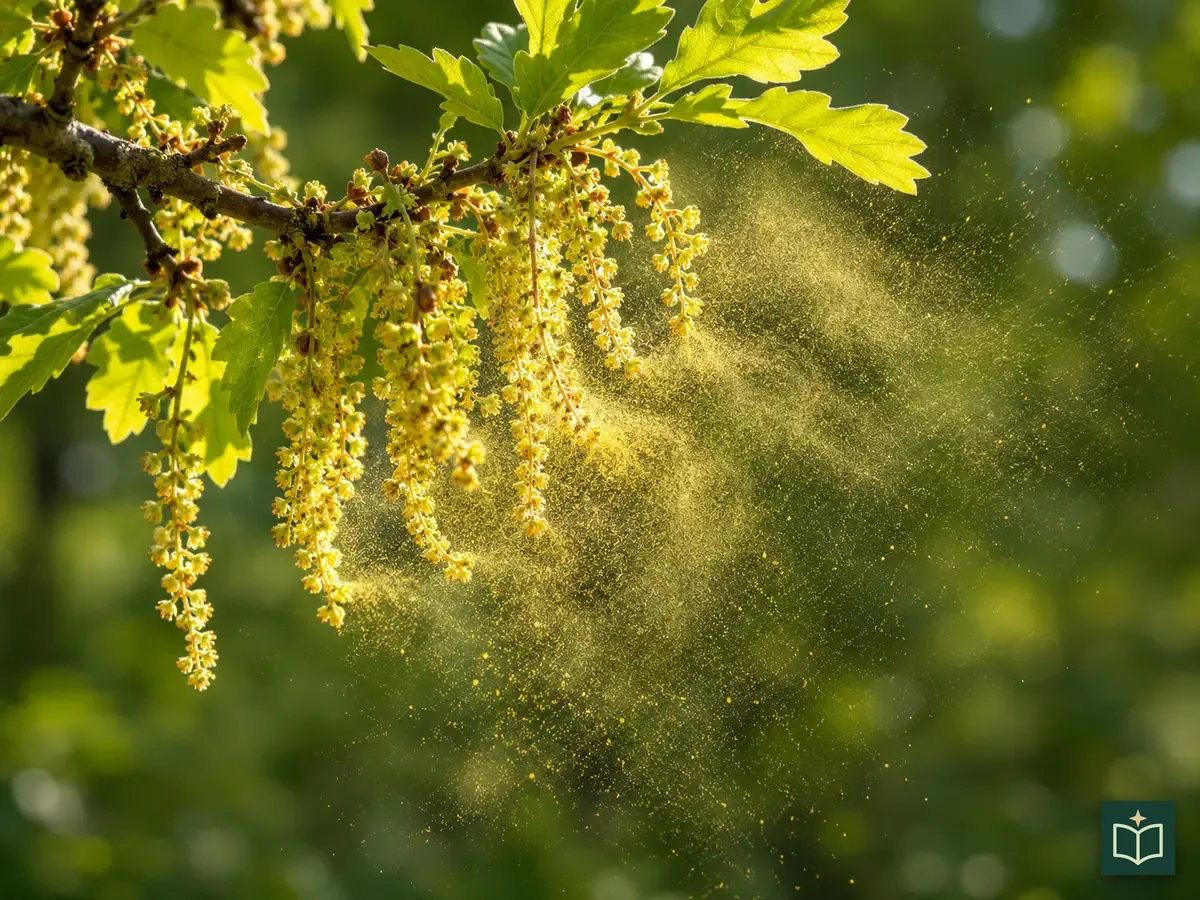
Allergens vary with climate and plants. In the UAE and neighbouring countries, house dust mites thrive indoors, particularly in humid coastal cities and air-conditioned buildings where dust collects in carpets, bedding and soft furnishings. Pollen from plants such as mesquite, a tree widely planted for shade and greenery, along with date palm and various grasses, is a recognised cause of seasonal symptoms in the region. Dust and sand storms can worsen symptoms for people with allergic rhinitis and asthma, though dust itself acts mainly as an irritant rather than a classic allergen. Allergy specialists can use skin-prick tests or blood tests for specific IgE to identify which allergens affect a particular person.
Why allergies are increasing
Allergic conditions have become more common in many countries over recent decades, especially in urban and wealthier settings. Genes play a part: children of allergic parents are more likely to develop allergies. But genes cannot change fast enough to explain the rise, so environmental factors are thought to matter. The ‘hygiene hypothesis’ proposed that fewer childhood infections leave the immune system poorly calibrated. Researchers now favour a broader version, sometimes called the ‘old friends’ idea, which emphasises reduced contact with diverse microbes from nature, soil, animals and a varied diet. Other suspected factors include air pollution, vitamin D levels and changes in diet. No single cause has been established.
Prevention, treatment and myths
Advice on preventing food allergy has changed significantly. A major trial published in 2015 found that introducing peanut early in infancy, under appropriate guidance, greatly reduced the chance of peanut allergy in high-risk children, overturning earlier advice to delay. Treatments for allergy include antihistamines, steroid nasal sprays and, for some allergens, immunotherapy, which gradually retrains the immune system with controlled doses. A common misconception is that food intolerance, such as lactose intolerance, is an allergy; intolerances do not involve IgE and are rarely dangerous. Unvalidated tests sold online can mislead. Anyone with suspected allergies, and parents of children with reactions, should seek advice from a doctor or allergy specialist.
Sources & further reading
Figures are rounded and widely published; check the linked organisations for the latest editions. These organisations do not endorse this website.