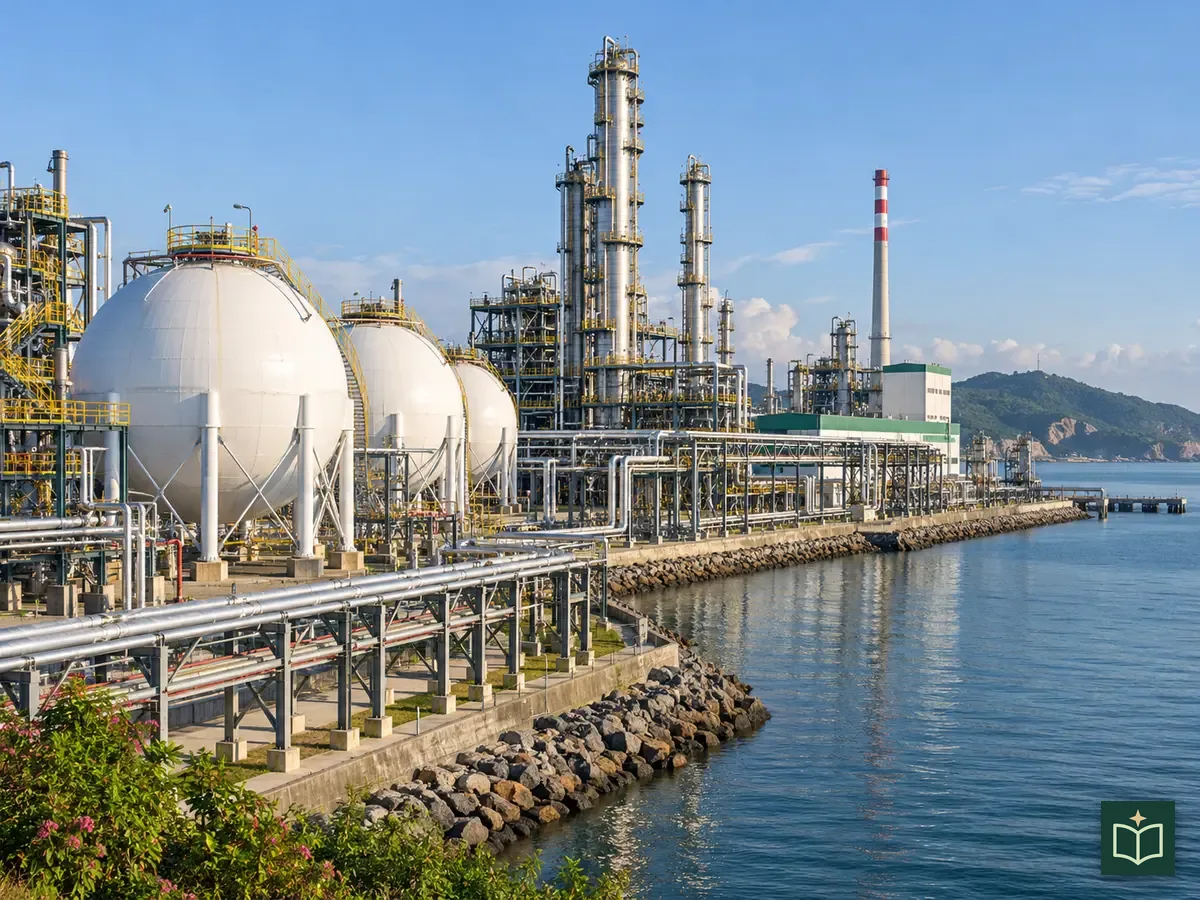
A molecule already in demand
Hydrogen is not a new fuel searching for a market. The world already uses roughly 95 million tonnes a year, mainly in oil refineries, where it removes sulphur from fuels, and in making ammonia for fertiliser and methanol for chemicals. Almost all of that hydrogen comes from natural gas or coal, which makes it a significant source of carbon dioxide emissions. The first and least controversial use of cleaner hydrogen is therefore to replace this existing supply. It requires no new appliances, engines or pipelines at the customer’s end, only a cleaner method of production. Even so, this alone is a very large task that is far from complete.
The conversion penalty
Every time energy changes form, some is lost. Making hydrogen from electricity, compressing or liquefying it, transporting it and turning it back into motion or electricity can lose well over half of the original energy. A battery electric car, by contrast, delivers most of the electricity from the socket to the wheels. That gap is why direct electrification usually wins where it is practical. Heating a home with a hydrogen boiler typically needs several times more electricity upstream than heating it with an electric heat pump. The same logic applies to cars and light vans, where battery vehicles are already sold at large scale.
Jobs electricity struggles with
Some processes need hydrogen as a chemical, not just as an energy source. Ammonia synthesis needs hydrogen atoms by definition. In steelmaking, hydrogen can replace coal-derived carbon in removing oxygen from iron ore, a process called direct reduction. Long-distance shipping and aviation need fuels dense enough to cross oceans, and hydrogen-derived fuels such as ammonia, methanol or synthetic kerosene are among the candidates. Seasonal storage of electricity, holding summer solar for winter demand in some regions, is another possible role. These uses share a feature: the alternatives are limited, so a costlier energy carrier can still be the sensible choice despite its losses.
The hydrogen ladder
Energy analyst Michael Liebreich popularised a ‘hydrogen ladder’ that ranks potential uses from unavoidable, such as fertiliser and hydrogenation in chemicals, to uncompetitive, such as domestic heating and passenger cars. Rungs in the middle, such as long-haul trucking or power generation, are contested and depend on how batteries and other technologies develop. The ladder is not an official forecast, but it captures a widely shared view among energy agencies: prioritise hydrogen where it has few substitutes. National strategies in Europe, Japan and the Gulf increasingly reflect that ordering, putting industry and exports before household uses. Transport sits in between, with policies still evolving.
A Gulf perspective
For Gulf economies, hydrogen is partly about domestic industry and partly about exports. Refineries and fertiliser plants in the region already consume hydrogen made from gas, and steel and aluminium smelters are large energy users that are looking for lower-emission routes. Abundant low-cost solar power could make electrolytic hydrogen competitive in the long run. Exporting it is harder: hydrogen is bulky, so it is usually shipped as ammonia or another carrier, then possibly cracked back into hydrogen at the destination, losing energy at each step. Buyers in Europe and East Asia, and certification of the carbon footprint, will shape whether that trade grows.
Reading the hype
Hydrogen has had several waves of enthusiasm since the 1970s, each followed by disappointment when costs stayed high. The current wave is backed by more policy support and cheaper renewable electricity, but many projects still lack final investment decisions or committed buyers. A useful test is to ask what the hydrogen would replace and whether a simpler alternative exists. Replacing grey hydrogen in a fertiliser plant is a clear gain. Burning green hydrogen to make electricity that could have been used directly is usually not. The molecule itself is neither a miracle nor a mistake; its value depends entirely on the job it is asked to do.
Sources & further reading
Figures are rounded and widely published; check the linked organisations for the latest editions. These organisations do not endorse this website.