Two different questions
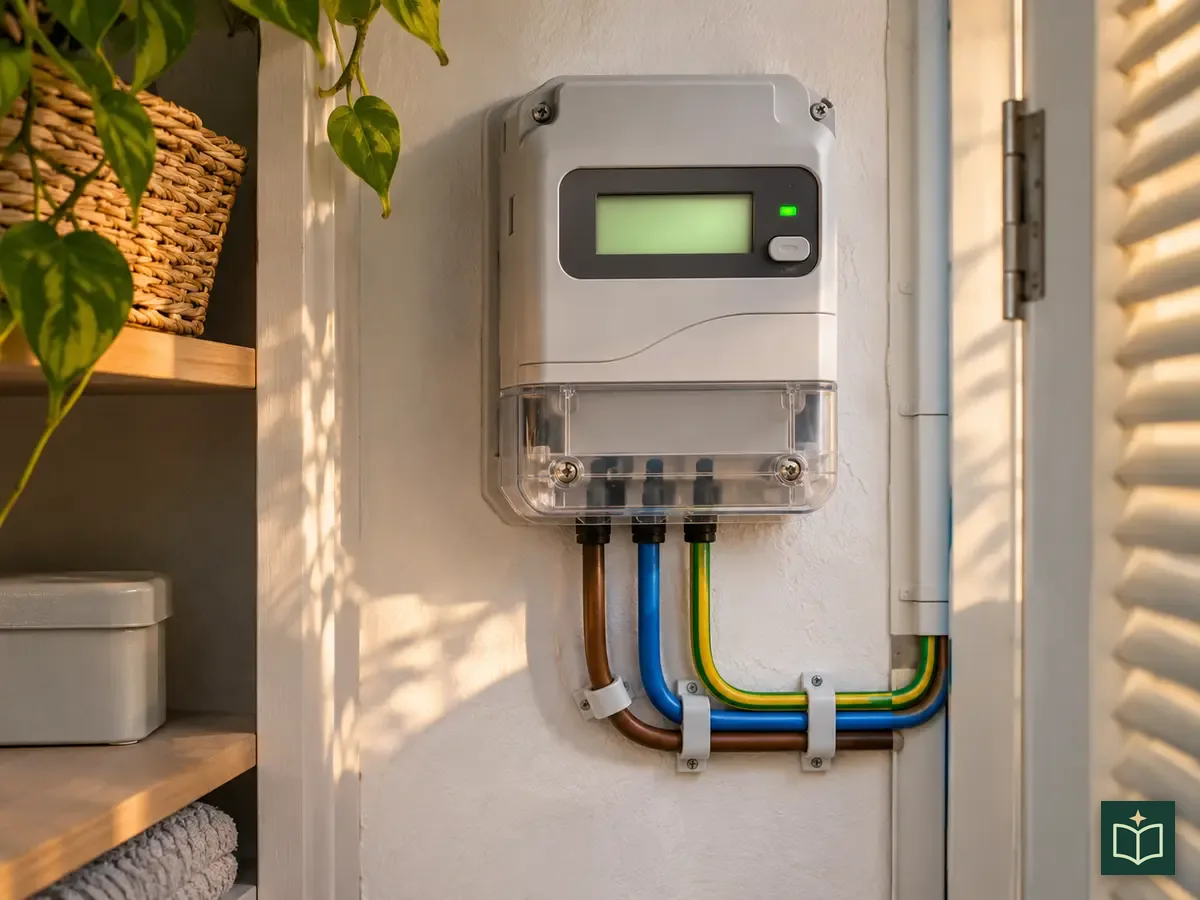
Much confusion about energy comes from mixing up power and energy. Power answers ‘how fast?’ and is measured in watts, after the Scottish engineer James Watt. Energy answers ‘how much?’ and is measured in joules, after the English physicist James Joule. One watt equals one joule per second. A car analogy helps: power is like speed, energy is like distance travelled. A 2-kilowatt split air conditioner running for 5 hours uses 10 kilowatt-hours of energy. The same unit, the kilowatt-hour, appears on electricity bills, including those from DEWA in Dubai, so multiplying the price per kilowatt-hour by the total gives the energy charge in dirhams.
The metric family
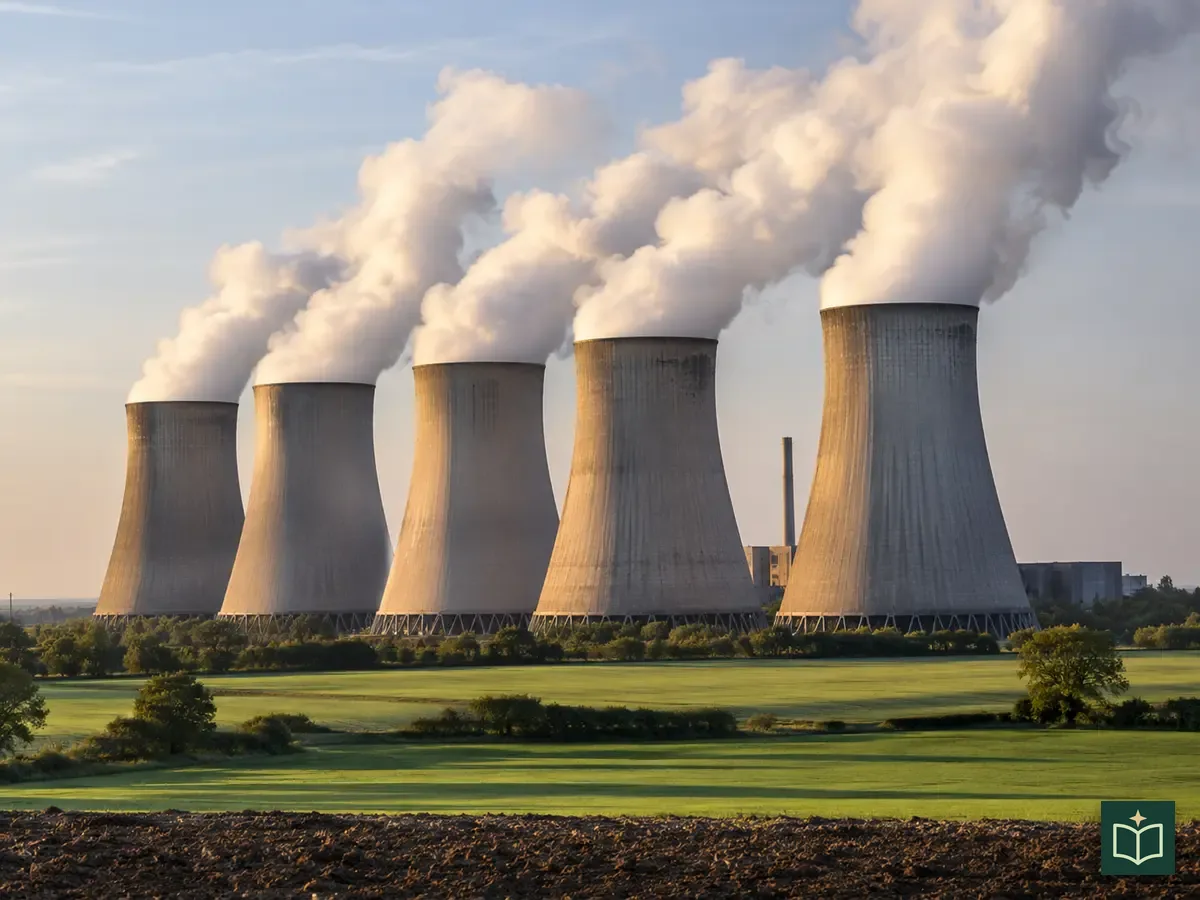
The international system uses the joule, and prefixes scale it up. A kilojoule is a thousand joules, a megajoule a million, a gigajoule a billion, and an exajoule a billion billion, the unit used for whole countries and the world. Global primary energy use is in the region of 600 exajoules a year. The kilowatt-hour is a convenient hybrid: 1 kWh equals 3.6 megajoules. Power stations are rated in megawatts or gigawatts, and their annual output is counted in megawatt-hours, gigawatt-hours or terawatt-hours. A 1-gigawatt plant running flat out for a year would produce about 8.8 terawatt-hours, because a year has 8,760 hours.
Industry units
Different fuels grew up with their own units. Oil is counted in barrels, each 159 litres, holding roughly 6 gigajoules, or about 1.7 megawatt-hours, of energy. International statistics often use the tonne of oil equivalent, defined as 41.868 gigajoules. Natural gas is traded in cubic metres or in British thermal units: one BTU is about 1,055 joules, and gas prices are often quoted per million BTU. Coal is measured in tonnes, but its energy content varies widely by type. Air-conditioning capacity in the Gulf is often given in refrigeration tons, each about 3.5 kilowatts of cooling, a unit that dates back to the days when buildings were cooled by melting ice.
Food and fitness units
Nutrition uses calories, or more precisely kilocalories. A food Calorie with a capital C equals 1,000 small calories, or about 4.2 kilojoules. A typical adult diet of 2,000 kilocalories a day therefore provides about 8.4 megajoules, or roughly 2.3 kilowatt-hours. Spread across 24 hours, that is an average of about 100 watts, similar to an old incandescent light bulb. This comparison is useful for perspective: a single household air conditioner can draw the equivalent of the steady metabolic power of dozens of people, which shows how much modern energy services multiply human muscle. Fuel and electricity act as tireless, invisible helpers.
Common pitfalls
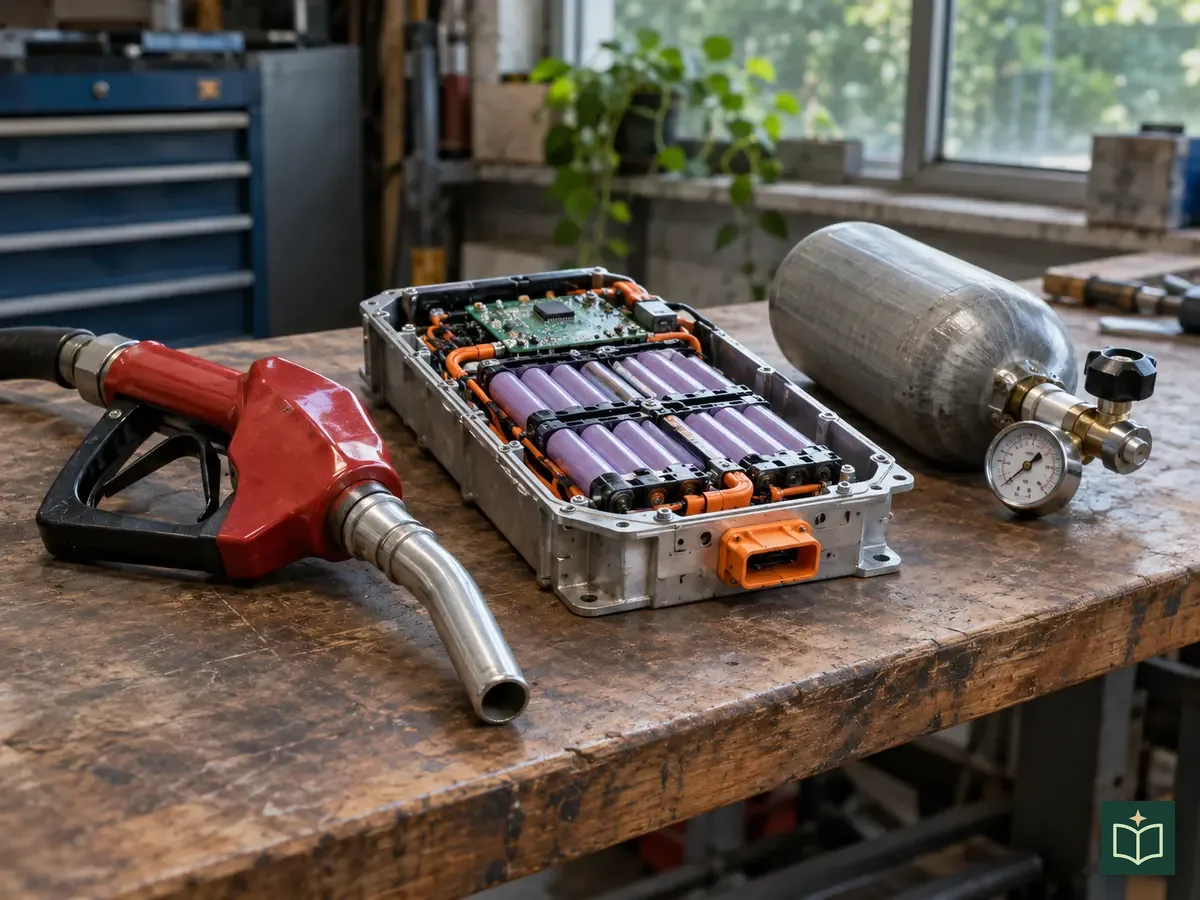
Several traps catch even experienced readers. Writing ‘kilowatts per hour’ when meaning kilowatt-hours confuses rate with amount. Mixing gross and net heating values can change a fuel’s energy figure by around 10 per cent, depending on whether the heat in water vapour from combustion is counted. Comparing primary energy, such as the coal burned in a power station, with delivered electricity overstates fossil fuels’ useful contribution, because much of their energy is lost as heat. Battery capacity in kilowatt-hours and charger power in kilowatts are different numbers: a 60 kWh car battery on a 10 kW charger needs about 6 hours to fill from empty.
Why it matters
Energy debates are full of large numbers, and the units are often where arguments go wrong. Understanding a few conversions lets you check claims yourself: whether a new solar plant could power a stated number of homes, how a battery compares with a tank of petrol, or what an electricity tariff means for a monthly bill. It also helps when reading reports from organisations such as the International Energy Agency or national statistics offices, which may switch between exajoules, tonnes of oil equivalent and terawatt-hours. The rule of thumb is simple: separate power from energy, convert everything to one unit, and only then compare.
Sources & further reading
- US Energy Information Administration · Units and calculators ↗
- BIPM · The International System of Units ↗
Figures are rounded and widely published; check the linked organisations for the latest editions. These organisations do not endorse this website.