What a fuel cell is
A fuel cell produces electricity from a chemical reaction, as a battery does, but it does not store its reactants inside. Instead, fuel, usually hydrogen, flows in on one side and oxygen from the air flows in on the other. As long as both keep arriving, the cell keeps producing current. Each cell generates less than one volt, so many are stacked together to reach useful voltages, which is why the working unit is called a stack. Because there is no combustion, a hydrogen fuel cell emits only water and heat at the point of use, and it has few moving parts, so it runs quietly and needs relatively little maintenance.
Inside the cell
The most common type for vehicles is the proton exchange membrane fuel cell. Hydrogen enters at the anode, where a platinum catalyst splits each molecule into two protons and two electrons. The membrane in the middle lets protons pass but blocks electrons, forcing them to travel through an external circuit, where they do useful work. At the cathode, the protons, the returning electrons and oxygen from the air combine to form water. Other designs use different electrolytes and temperatures: solid oxide fuel cells run very hot and can use natural gas, while alkaline fuel cells were favoured by early space programmes.
Efficiency in numbers
A car engine converts perhaps a quarter to a third of its fuel’s energy into motion, with the rest lost as heat. A fuel cell avoids the heat-engine limit and can convert around 40 to 60 per cent of hydrogen’s energy into electricity, and more when its waste heat is also used for warming buildings. That sounds impressive, but the full chain matters. If the hydrogen came from electrolysis, perhaps a third of the original electricity was already lost making it, and more is lost compressing it. Overall, a hydrogen fuel cell car typically uses two to three times as much electricity per kilometre as a battery electric car.
From Apollo to forklifts
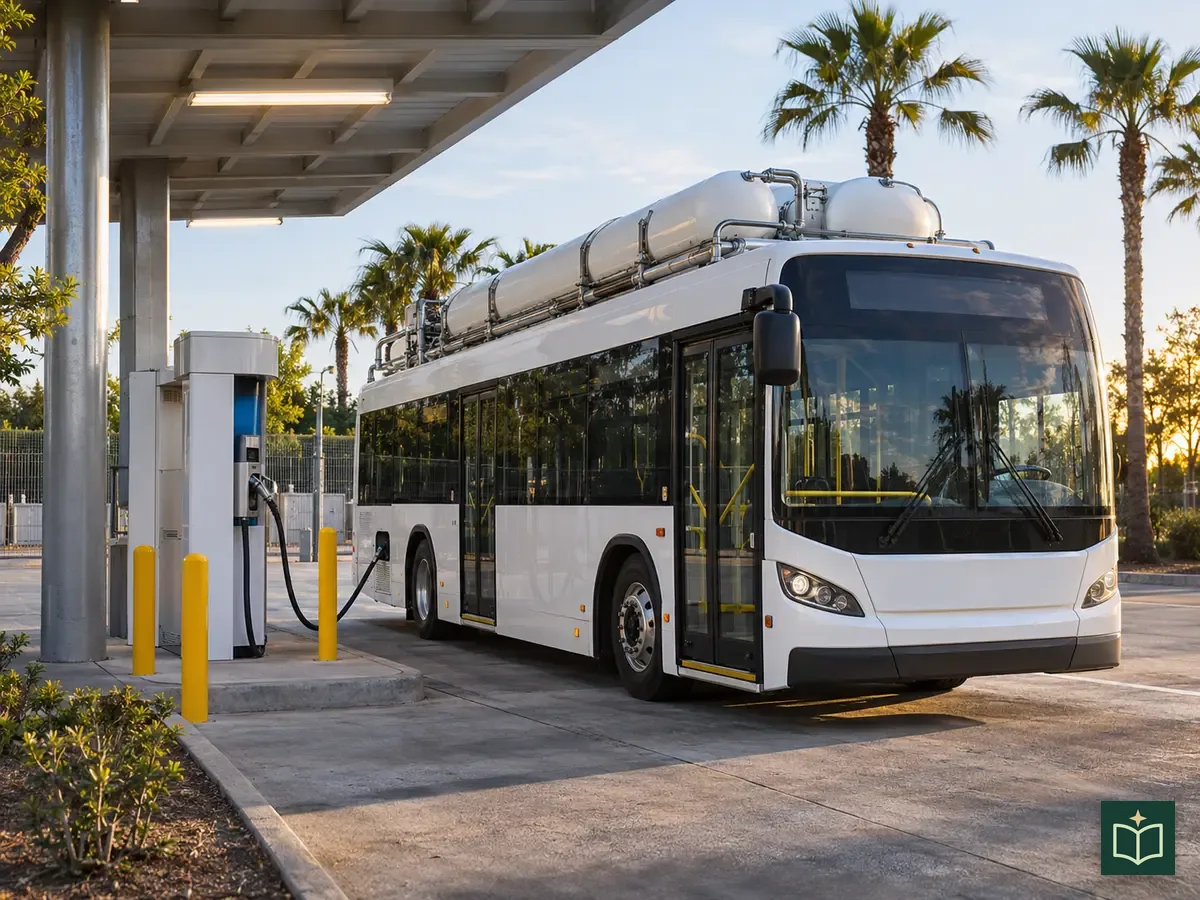
William Grove demonstrated his ‘gas battery’ in 1839, but practical fuel cells waited more than a century. NASA used them in the Gemini and Apollo programmes, where they powered spacecraft and produced drinking water for astronauts. Since then, fuel cells have found steady niches: backup power for telecom masts and data centres, forklifts in warehouses, where quick refuelling beats battery charging, and combined heat and power units in Japanese homes. Several carmakers, including Toyota and Hyundai, sell fuel cell cars, and hydrogen buses have been trialled in many cities, including pilot vehicles in the Gulf, but sales remain small compared with battery electric vehicles.
Why they stayed niche
Fuel cells face three persistent obstacles. First, cost: stacks use platinum and precision-made membranes, and producing them in small numbers keeps prices high. Second, fuel supply: hydrogen filling stations are expensive and scarce, which deters buyers, which in turn deters station investment. Third, competition: lithium-ion batteries have become far cheaper and better over the past fifteen years, capturing markets once expected to go to fuel cells, especially cars. Durability has improved, but stacks still degrade over time, particularly with frequent stops and starts. Each obstacle reinforces the others, a classic chicken-and-egg problem in energy infrastructure that public funding has only partly eased.
Where they may grow
Fuel cells are most competitive where batteries would be too heavy or too slow to recharge, and where vehicles return to a central depot for refuelling. Long-haul trucks, some trains on non-electrified lines, ships and heavy machinery are often mentioned. Stationary uses, such as remote or backup power, are another niche where reliability and long run times count. The technology’s future is tied to the cost and availability of low-carbon hydrogen. If that hydrogen becomes cheap and plentiful, fuel cells could become a common sight in heavy transport. If not, they will likely remain specialised tools rather than everyday engines.
Sources & further reading
Figures are rounded and widely published; check the linked organisations for the latest editions. These organisations do not endorse this website.