Why warnings exist
Floods are among the most common and deadly natural hazards worldwide. They can follow heavy rain, storms, rapid snowmelt, rivers bursting their banks or the sea surging onto the coast. Because floods can develop quickly, weather and environment agencies issue warnings to give people time to prepare, move valuables, avoid travel and, if needed, leave. A warning system only works if people understand what each level means and act on it.
Watch, alert, warning
Different countries use different words, but the idea is similar. In the United States, a flood watch means conditions are favourable for flooding, while a flood warning means flooding is happening or about to happen. In the United Kingdom, a flood alert means flooding is possible, a flood warning means flooding is expected and immediate action is required, and a severe flood warning means there is danger to life. Always read the exact wording for your area.
Colour-coded alerts
Many weather services use colours. In the UAE, the National Centre of Meteorology issues weather alerts in yellow, orange and red. Yellow means be aware of potentially hazardous weather. Orange means be prepared, as dangerous conditions are expected. Red means take action, because the weather is extremely hazardous. Authorities may also send emergency messages to mobile phones and announce temporary measures such as remote working or school closures.
Flash floods
A flash flood is a rapid rise of water, often within minutes or a few hours of intense rain. Flash floods are especially dangerous in dry regions, where hard ground absorbs little water and dry valleys called wadis can suddenly fill with fast-flowing torrents. Water can come from storms many kilometres away, even when the sky overhead is clear. People camping, driving or hiking in wadis should watch forecasts carefully and move to higher ground quickly.
How little water it takes
Floodwater is more dangerous than it looks. The US National Weather Service warns that about 15 centimetres of fast-moving water can knock an adult off their feet, about 30 centimetres can float many small cars, and about 60 centimetres can sweep away most vehicles, including SUVs. Floodwater can hide open drains, missing manhole covers, debris and broken roads. It can also carry sewage, chemicals and electrical hazards from damaged power lines.
Driving in floods
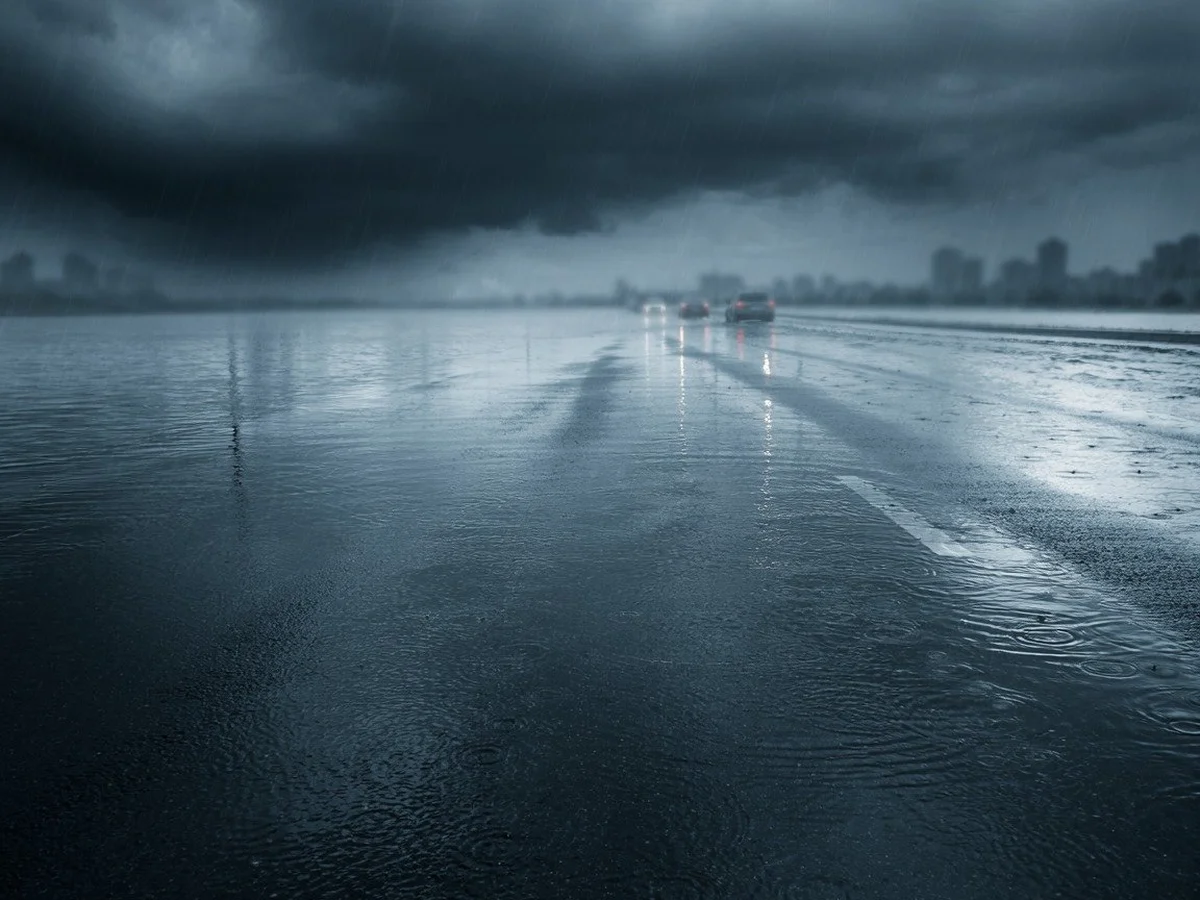
Many flood deaths happen in vehicles. Drivers underestimate the depth or speed of water, or assume a large car will cope. A common safety slogan is turn around, don't drown. If water covers the road, find another route or wait. If your car stalls in rising water, leave it and move to higher ground if it is safe to do so. In heavy rain, slow down, keep a safe distance and avoid underpasses and low-lying roads.
At home
If a flood warning is issued for your area, move important documents, electronics and medicines to a higher level. Charge your phone and keep a torch handy. Know how to switch off electricity, gas and water if instructed to do so. Check on elderly neighbours and people who may need help. Follow updates from official sources rather than rumours on social media, and be ready to leave if authorities advise it.
After the water goes down
Danger does not end when the rain stops. Floodwater can weaken roads, walls and foundations. Avoid entering flooded buildings until they are declared safe, and do not touch electrical equipment that has been wet. Clean and disinfect surfaces that were underwater, and throw away food that came into contact with floodwater. Take photos of damage for insurance claims before starting repairs, and keep receipts for any emergency costs.
Rain in a dry land
Heavy rain is unusual in the UAE, but it does happen, and intense storms can bring a great deal of water in a short time. In April 2024, the country recorded its heaviest rainfall since records began in 1949, with more than 250 millimetres falling in 24 hours at one station. Events like this show why everyone, even in desert climates, should know what a weather warning means and how to stay safe until conditions improve.
Sources & further reading
- US National Weather Service · Turn Around Don't Drown ↗
- UK Government · Flood alerts and warnings ↗
- UAE National Centre of Meteorology ↗
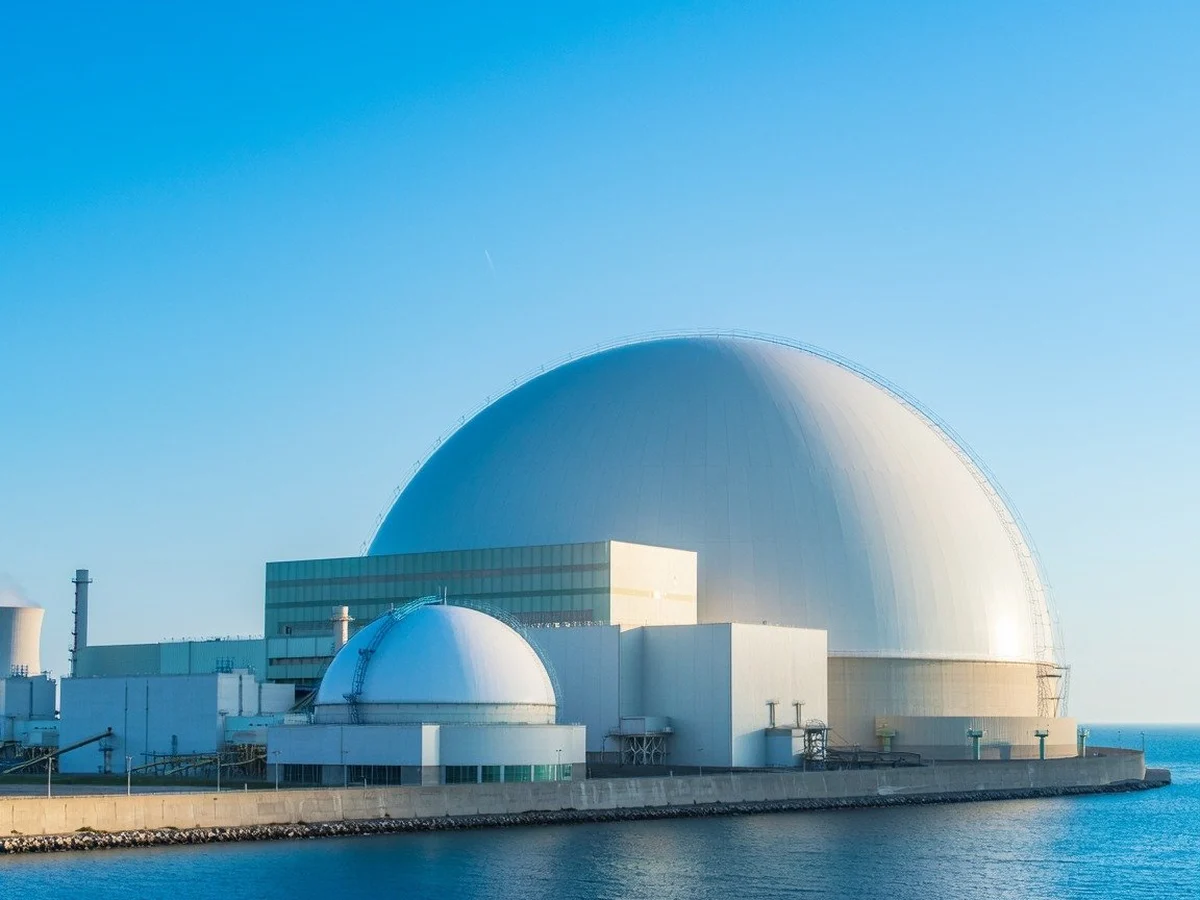
General safety information; always follow instructions from local authorities in an emergency. Photograph: original AI-generated illustration (Adobe Firefly). Reference organisations do not endorse this website.