Two calm waters
From the shore, a lagoon and a lake can look alike: still water, reeds or mangroves at the edges, birds wading in the shallows. Geographers separate them mainly by location and connection to the sea. A lake is a body of water lying in an inland basin, fed by rivers, rain, snowmelt or groundwater. A lagoon is a shallow stretch of coastal water separated from the ocean by a natural barrier, though usually still connected to it by one or more narrow channels.
How lagoons form
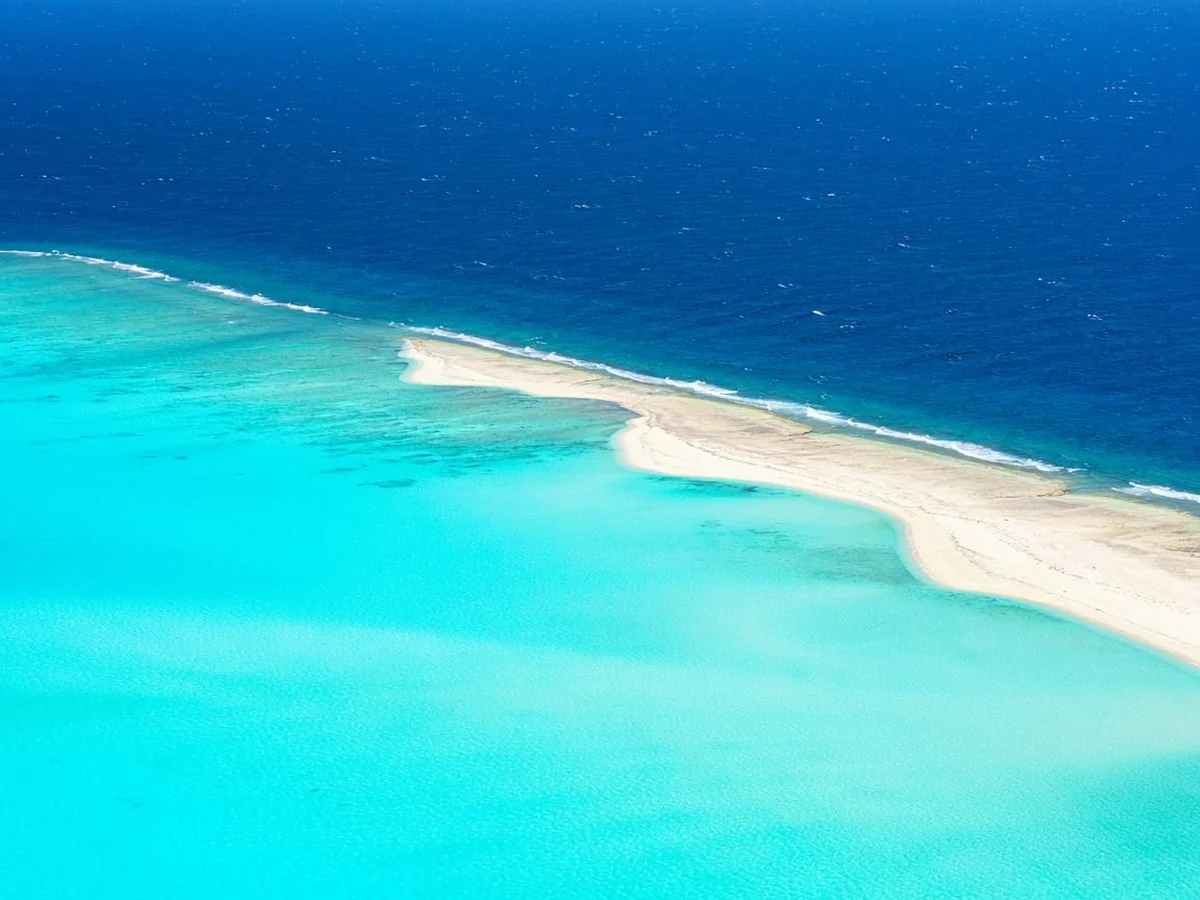
Most coastal lagoons form where waves and currents pile up sand into long barrier islands, spits or bars parallel to the shore. The water trapped behind them becomes a lagoon. Tides flow in and out through gaps called inlets, so the water is often brackish, a mix of salt and fresh water from rivers. Other lagoons form inside coral reefs. In an atoll, a ring of reef and small islands encloses a central lagoon, often a brilliant turquoise because it is shallow and sandy.
How lakes form
Lakes form in many ways. Glaciers carved huge basins that filled with meltwater, creating the Great Lakes of North America and thousands of lakes in Finland and Canada. Movements of Earth's crust opened deep rift lakes such as Lake Tanganyika and Lake Baikal, the deepest lake on Earth at about 1,640 metres. Volcanic craters can fill with rain to make crater lakes, and rivers can leave behind curved oxbow lakes. People create reservoirs by building dams.
Salt and fresh
Most lakes are freshwater, because rivers flow both in and out, carrying salts away. Some lakes have no outlet, so water leaves only by evaporation and salts build up. These salt lakes include the Great Salt Lake in the United States and the Dead Sea. Lagoons are usually salty or brackish because of their link to the sea, but their saltiness can change a lot with tides, rainfall and evaporation, sometimes becoming saltier than the ocean in hot, dry climates.
Size and depth
Lakes range from small ponds to vast inland seas. The Caspian Sea, at around 371,000 square kilometres, is usually counted as the largest lake on Earth, and Lake Superior is the largest freshwater lake by area. Lagoons are generally much smaller and shallower, often only a few metres deep. The largest coastal lagoon is usually said to be Lagoa dos Patos in southern Brazil, at roughly 10,000 square kilometres, while Venice sits in a lagoon of about 550 square kilometres.
Rich nurseries for life
Lagoons are some of the most productive habitats on the coast. Shallow, sunlit water, nutrients from rivers and shelter from waves make them ideal nurseries for young fish, shrimp and crabs. Seagrass beds and mangroves often grow along their edges, and migrating birds stop to feed. Lakes support their own rich ecosystems too, from fish and freshwater sponges to unique species found nowhere else, such as the freshwater seals of Lake Baikal.
Lagoons and people
People have used lagoons for thousands of years for fishing, salt making and shelter. Venice was built on islands in a lagoon partly because the shallow water gave protection from attack. Lagoons also attract tourism, from atoll resorts in the Maldives to coastal lagoons in Mexico where grey whales give birth. Because they are shallow and enclosed, lagoons are vulnerable to pollution, sediment and rising sea levels, so many are protected as nature reserves.
Lagoons in the UAE
The UAE's coastline has several lagoon-like inlets known locally as khors. Khor Kalba on the east coast is home to one of the oldest mangrove forests in Arabia and is an important habitat for birds and turtles. Along the Gulf coast, shallow creeks and lagoons fringed by mangroves can be found around Abu Dhabi and Umm Al Quwain. These sheltered waters support fish nurseries, protect the shore from erosion and are popular for kayaking and birdwatching.
Quick way to tell
If you are unsure whether a body of water is a lake or a lagoon, ask three questions. Is it next to the sea? Is it separated from the sea by a strip of sand, a spit or a reef? Does seawater flow in and out with the tide? If the answers are yes, it is almost certainly a lagoon. If the water lies inland with no direct tidal link to the ocean, it is a lake, even if, like the Caspian, it happens to be called a sea.
Sources & further reading
Areas are approximate and can change with water levels and seasons. Photograph: original AI-generated illustration (Adobe Firefly). Reference organisations do not endorse this website.