What the notice says
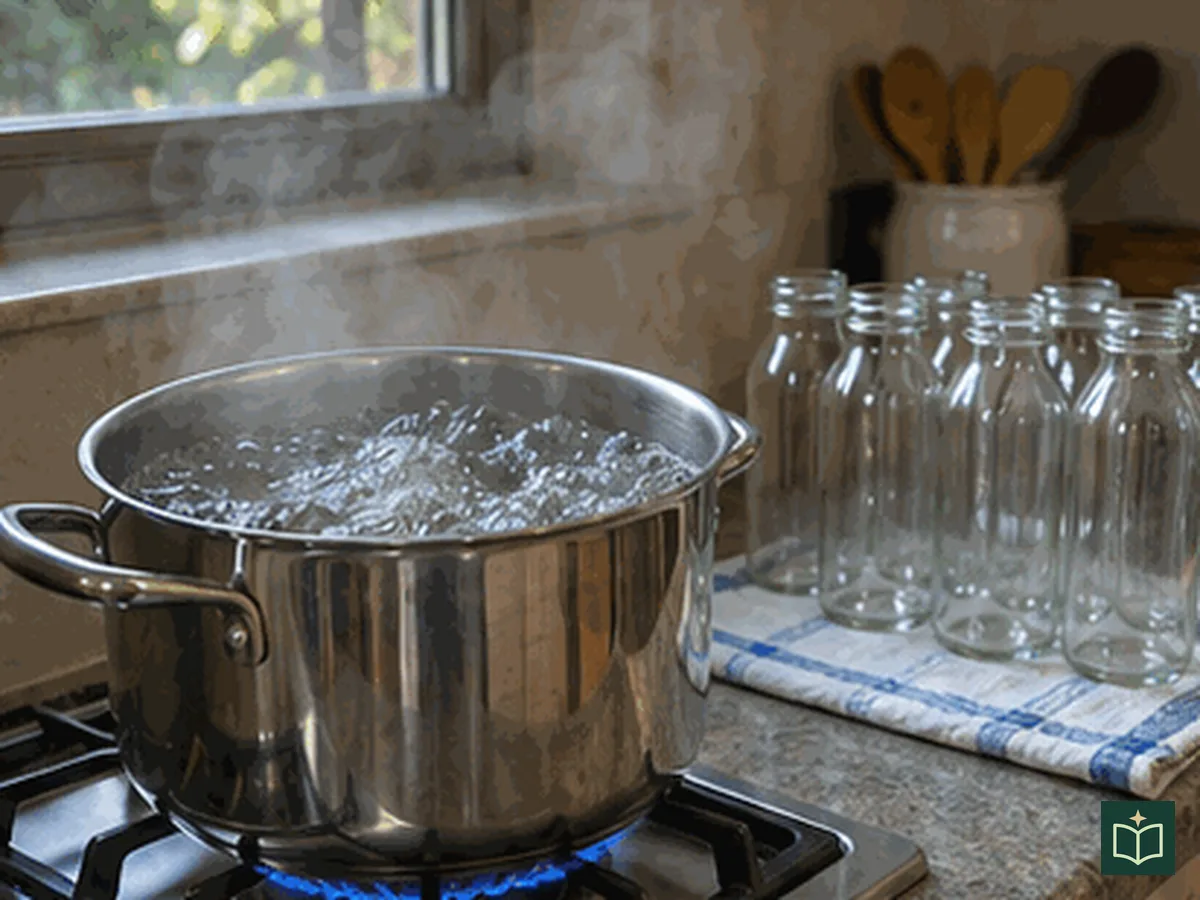
A boil-water notice, also called a boil-water advisory, tells residents of a defined area that their tap water may contain harmful microorganisms. People are asked to bring water to a rolling boil and let it cool before drinking it, using it in food or baby formula, making ice, brushing teeth or washing salad and fruit. Bottled water is an alternative. For most other uses, such as showering, laundry and flushing toilets, the water can usually be used as normal, although young children should avoid swallowing bath water. Some notices are precautionary, issued because something has gone wrong, while others follow tests that have actually found contamination.
What triggers one
Water is treated at a plant and then travels through many kilometres of pipes, so problems can arise at either stage. Common triggers include a test that detects E. coli or other indicator bacteria, a failure in filtration or disinfection, a sudden rise in cloudiness after heavy rain, and flooding that reaches wells or treatment works. Another frequent cause is a loss of pressure after a burst main or a power cut. Water in pipes is normally kept under pressure so that it flows outward through any leak. When pressure drops, contaminated groundwater or sewage can be drawn in through cracks and joints, so authorities often issue a precautionary notice until the network has been checked.
Why boiling works, and when it does not
Heat kills the bacteria, viruses and parasites that cause waterborne illness. The World Health Organization notes that bringing water to a rolling boil is enough to make it microbiologically safe, and United States public health guidance advises keeping it at a rolling boil for one minute, or three minutes at high altitude. Boiling does nothing, however, against chemical contamination such as fuel, industrial solvents, lead or excess nitrate. It can even concentrate some chemicals as water evaporates. For those problems, authorities issue a different instruction: a do-not-drink notice, or in severe cases a do-not-use notice, which means the water should not be used even for washing.
Lessons from outbreaks
Two outbreaks show why authorities act cautiously. In 1993, the parasite Cryptosporidium passed through a treatment plant in Milwaukee in the United States, and an estimated 400,000 people fell ill in one of the largest waterborne outbreaks recorded in a developed country. The parasite resists ordinary chlorine disinfection but is killed by boiling. In 2000, E. coli from farm runoff contaminated the water supply of Walkerton in Ontario, Canada, after failures in monitoring and chlorination. Seven people died and about 2,300 became ill. Both events led to tighter rules on treatment, testing and reporting, and both encouraged utilities to warn residents early rather than wait for confirmation.
Gulf supplies and building tanks
In the Gulf, most drinking water comes from desalination plants and is disinfected before it enters large transmission networks. Utilities in the UAE state that the water they supply meets drinking-water standards, and area-wide boil-water notices are rare. A more common weak point lies inside buildings. Many villas and towers store water in rooftop or underground tanks before it reaches taps, and in summer heat those tanks can warm up, collect sediment and allow bacteria to grow if they are not regularly cleaned and maintained. Responsibility for those tanks usually rests with building owners rather than the utility, so residents with concerns may need to ask their building management.
When the notice is lifted
A notice is not lifted simply because the cause has been fixed. Crews usually flush the affected pipes, sometimes add extra disinfectant and then take water samples from several points in the area. Utilities generally require consecutive clean results, often taken at least a day apart, before announcing that the water is safe again. When the notice ends, residents are typically advised to run their cold taps for a few minutes, empty and refill ice makers, and replace water filters if the manufacturer recommends it. When reading a notice, check the area covered, whether it says boil, do not drink or do not use, and where updates will be published.
Sources & further reading
Figures are rounded and widely published; check the linked organisations for the latest editions. These organisations do not endorse this website.