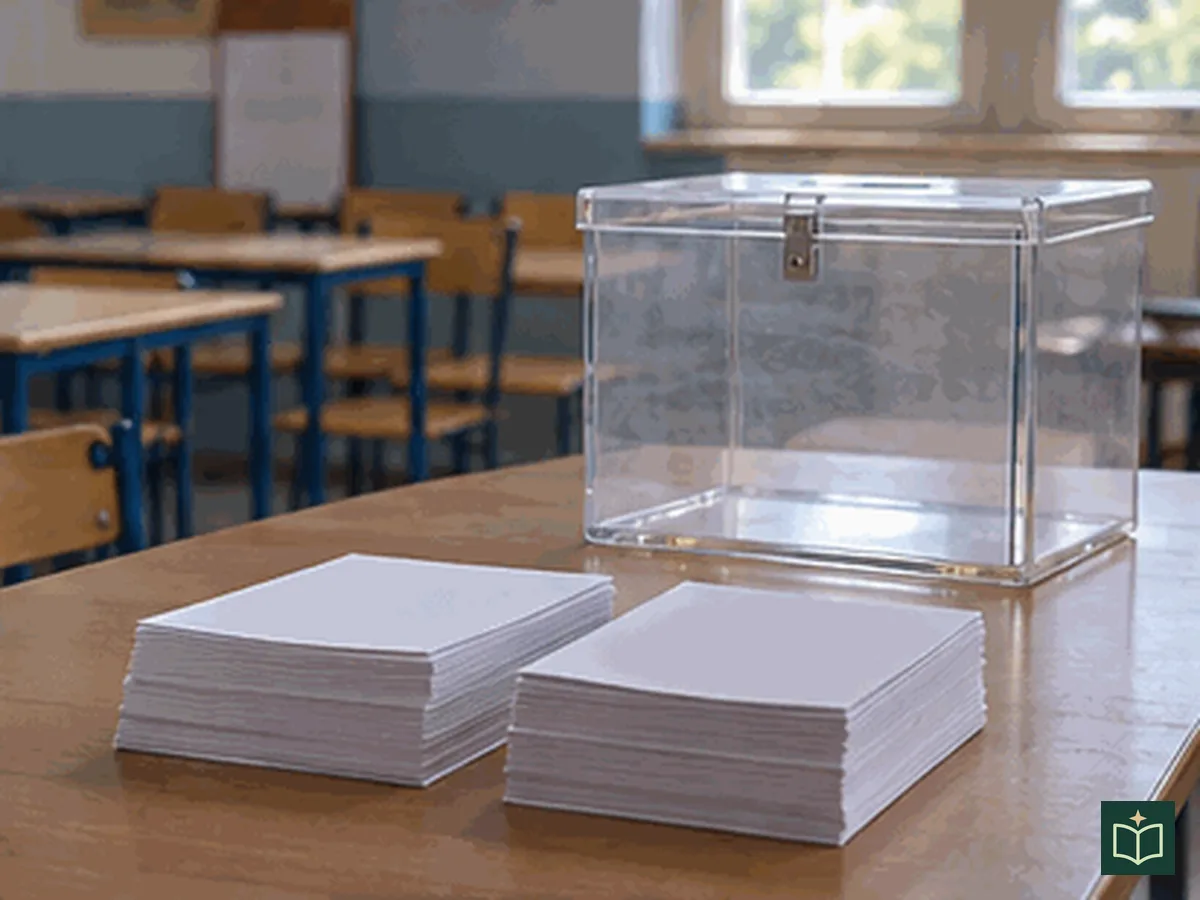
Two rounds, one winner
In a plurality system, such as those used for British and Indian parliamentary seats, the candidate with the most votes wins even if most voters chose someone else. A two-round, or runoff, system tries to ensure that the winner has broader backing. If no candidate reaches a set threshold in the first round, usually more than half of the valid votes, a second round is held between the leading candidates. The approach is widely used to elect presidents, including in France, Brazil, Indonesia and many African and Latin American countries. It is also used in some legislative and local elections, and in a handful of American states for primaries or general elections.
Who goes through
The most common rule sends the top two candidates to the second round, which guarantees an outright majority for the winner. France uses this rule for presidential elections, with the runoff two weeks after the first round. Some countries set lower thresholds for a first-round win. Argentina's president wins outright with 45 per cent, or with 40 per cent and a lead of at least ten points over the runner-up. Costa Rica requires 40 per cent. French legislative elections use a different rule: any candidate who wins votes equal to at least 12.5 per cent of registered voters in a constituency can stand again, so three-way and occasionally four-way runoffs occur.
A worked example
Imagine four presidential candidates. In the first round, A wins 38 per cent, B 32 per cent, C 20 per cent and D 10 per cent. Nobody has a majority, so A and B meet in a runoff. The result now depends on the 30 per cent who backed C and D. If most of C's voters prefer B, B can overtake the first-round leader. In 2002, the far-right candidate Jean-Marie Le Pen unexpectedly finished second in France's first round. Many voters and parties who had opposed the incumbent Jacques Chirac then backed him, and he won the runoff with about 82 per cent.
Alliances between rounds
The days between rounds are a period of bargaining. Eliminated candidates often endorse one of the finalists, sometimes in exchange for policy commitments or positions in government. In French legislative elections, where three candidates may qualify, a third-placed candidate may withdraw to avoid splitting the vote of an allied or acceptable candidate. In 2024, more than 200 candidates stood down before the second round, many of them to improve the chances of defeating National Rally candidates. Voters do not always follow such instructions, however. Turnout can rise or fall between rounds, and supporters of eliminated candidates may abstain, cast blank ballots or split in unexpected directions.
Runoffs and ranked ballots
A runoff requires voters to return to the polls, which costs money and time and can reduce turnout. An alternative, instant-runoff voting, asks voters to rank candidates on a single ballot. If nobody has a majority of first preferences, the last-placed candidate is eliminated and their ballots transferred to the next preference, until someone has a majority. Australia uses this preferential system for its House of Representatives. Instant runoffs save a second trip but give no chance to react to the first-round result, while two-round systems allow voters and parties to reconsider. Critics of both say they can still exclude a broadly acceptable candidate who finishes third.
Reading the result
When a first-round result is reported, start with the threshold in that country and whether anyone has crossed it. If not, identify which candidates qualify and the date of the second round. Add up the vote shares of eliminated candidates and note their endorsements, since that is where the runoff will be decided. Be wary of reading the first-round leader as the favourite: leaders have often been overtaken. Watch turnout, blank and spoiled ballots, which tend to rise when voters dislike both finalists. In legislative runoffs, check how many three-way contests remain after withdrawals, as that can shape the composition of the entire chamber.
Sources & further reading
- International IDEA · Electoral system design ↗
- ACE Electoral Knowledge Network ↗
- Britannica · Electoral system ↗
Figures are rounded and widely published; check the linked organisations for the latest editions. These organisations do not endorse this website.