A survey of people who voted
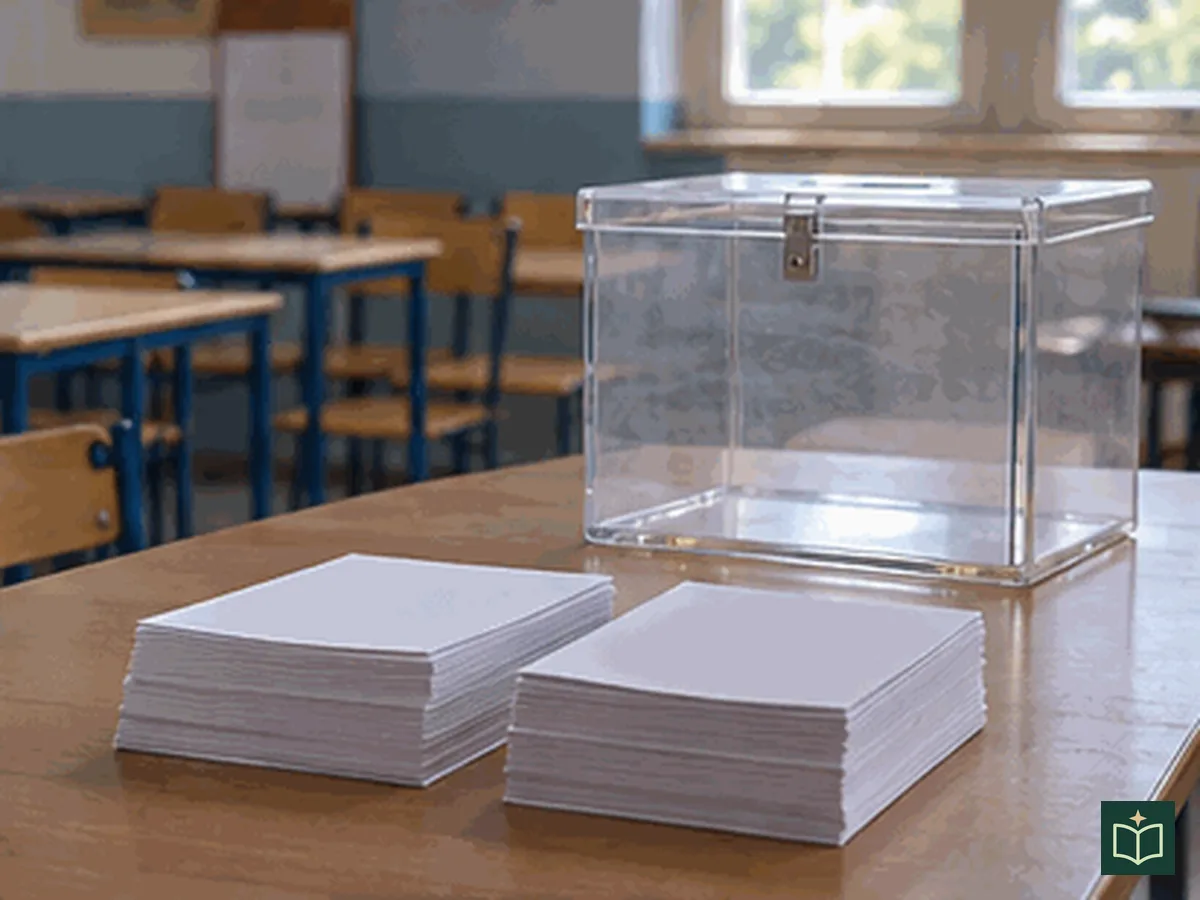
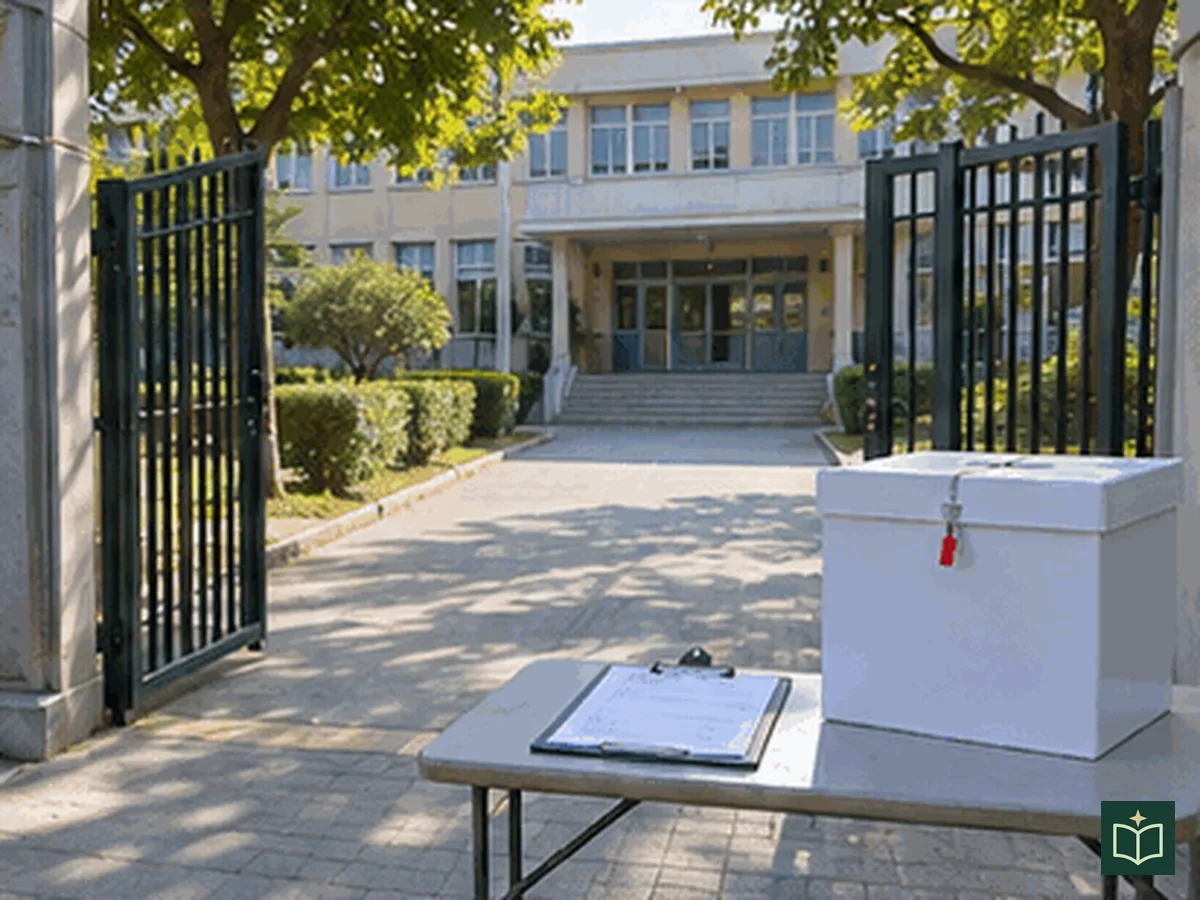
Ordinary opinion polls ask people how they intend to vote, and many of those people may not vote at all. Exit polls avoid that problem by questioning people who have just cast a ballot. Interviewers stand outside a sample of polling places and ask departing voters to complete a short, anonymous questionnaire, often a replica ballot dropped into a box. Many exit polls also ask about age, background and the issues that mattered most, which is why election-night coverage can describe how different groups voted. The results are not counts of real ballots, however. They are estimates, built from a sample, and the method behind them determines how reliable they are.
Choosing whom to ask
Two sampling decisions matter. The first is which polling places to cover. Pollsters choose stations that together reflect the country's political geography, and in Britain they return to many of the same stations at each election so that changes can be measured like for like. The second is which voters to approach. Interviewers do not pick people who look willing. They follow a fixed interval, approaching, say, every tenth voter who leaves, so that the sample is not shaped by the interviewer's choices. They also record the apparent age and sex of those who refuse, so that the data can later be weighted to correct for groups that were less willing to take part.
From answers to seats
In countries with single-member constituencies, vote shares do not translate simply into seats. The joint exit poll for the BBC, ITV and Sky in the United Kingdom, conducted by Ipsos, interviews about 20,000 voters at well over 100 polling stations. Its statisticians estimate how much each party's support has changed at each station compared with the previous election, then model how those changes play out across all constituencies. The method has a strong record. In 2019 it projected 368 seats for the Conservatives, who won 365. In 2024 it projected 410 for Labour, which won 411. In 2015 it underestimated the Conservative total, but still came closer than pre-election polls.
Why they wait until polls close
Many countries prohibit publishing exit poll results while people are still voting, to avoid influencing those who have not yet voted. In the United Kingdom, the Representation of the People Act 1983 makes it an offence to publish such results before polls close, which is why the projection appears at exactly 10 pm. India's election law bars publication until the final phase of a multi-week election has ended. In the United States, there is no federal ban, but the main broadcasters have pledged not to project a state's result until its polls have closed. Anyone who has seen early results is expected to keep them confidential.
Where they can go wrong
Exit polls face several sources of error. Random sampling error exists in any survey. Supporters of some parties may be more willing to talk to interviewers than others, a bias that weighting reduces but cannot fully remove. Postal and early votes are not captured outside polling stations, which matters where many people vote in advance. American exit polling now supplements in-person interviews with telephone and online surveys of early and postal voters, and some news organisations use separate pre-election surveys altogether. Close races are especially hard, since a small error can change the projected winner. A difference of a few seats in a projection can matter greatly when a majority is at stake.
Reading the projection
On election night, an exit poll is the first solid estimate, but it is still an estimate. Check whether it reports vote shares or projected seats, and whether a margin of uncertainty is given. Remember that it captures voters at selected stations, not every ballot, and that postal votes may be under-represented. Watch how the first declared results compare with the projection for those areas, since analysts use that to judge whether the poll is running high or low. Treat projections for individual constituencies or small parties with extra caution. The official count, certified by the electoral authority, is the only result. The exit poll is a well-informed preview.
Sources & further reading
- Ipsos UK · Elections ↗
- UK legislation · Representation of the People Act 1983 ↗
- Election Commission of India ↗
Figures are rounded and widely published; check the linked organisations for the latest editions. These organisations do not endorse this website.