Twelve metres of rain
Mawsynram, a village in the Khasi Hills of Meghalaya in north-east India, receives about 11,870 millimetres of rain in an average year, almost 12 metres. Nearby Cherrapunji, also called Sohra, receives only slightly less. Most of it falls between June and September, during the south-west monsoon, when days of continuous heavy rain are common. Local people have adapted in ingenious ways. Farmers wear knups, full-body shields woven from bamboo and leaves, and villages in the region are known for living bridges grown from the roots of rubber trees, which strengthen with age instead of rotting in the damp, as wooden bridges do.
How mountains make rain
Almost every place in the table owes its rainfall to the same process, called orographic lift. Warm air over a tropical or subtropical ocean holds large amounts of water vapour. When steady winds push that air against a steep range of hills or mountains, it is forced upwards, expands and cools. Cooler air can hold less vapour, so the excess condenses into clouds and falls as rain on the windward slopes. In Meghalaya, monsoon winds carry moisture north from the Bay of Bengal across the flat plains of Bangladesh and slam into the Khasi Hills, which rise abruptly to more than a kilometre above them.
Colombia, Africa and the Pacific
The same recipe works on other continents. Tutunendo lies in Colombia’s Chocó region, where moist Pacific air meets the western slopes of the Andes; nearby Lloro may be even wetter, but its figure is an estimate and is therefore left out. In Africa, Debundscha sits at the foot of Mount Cameroon, a volcano rising more than 4,000 metres from the Gulf of Guinea, and Ureca lies on the southern coast of Bioko Island. Three Hawaiian sites appear in the table. Mount Waialeale on Kauai and the slopes of Maui catch the north-east trade winds, which blow steadily across thousands of kilometres of warm ocean.
Wet places outside the tropics
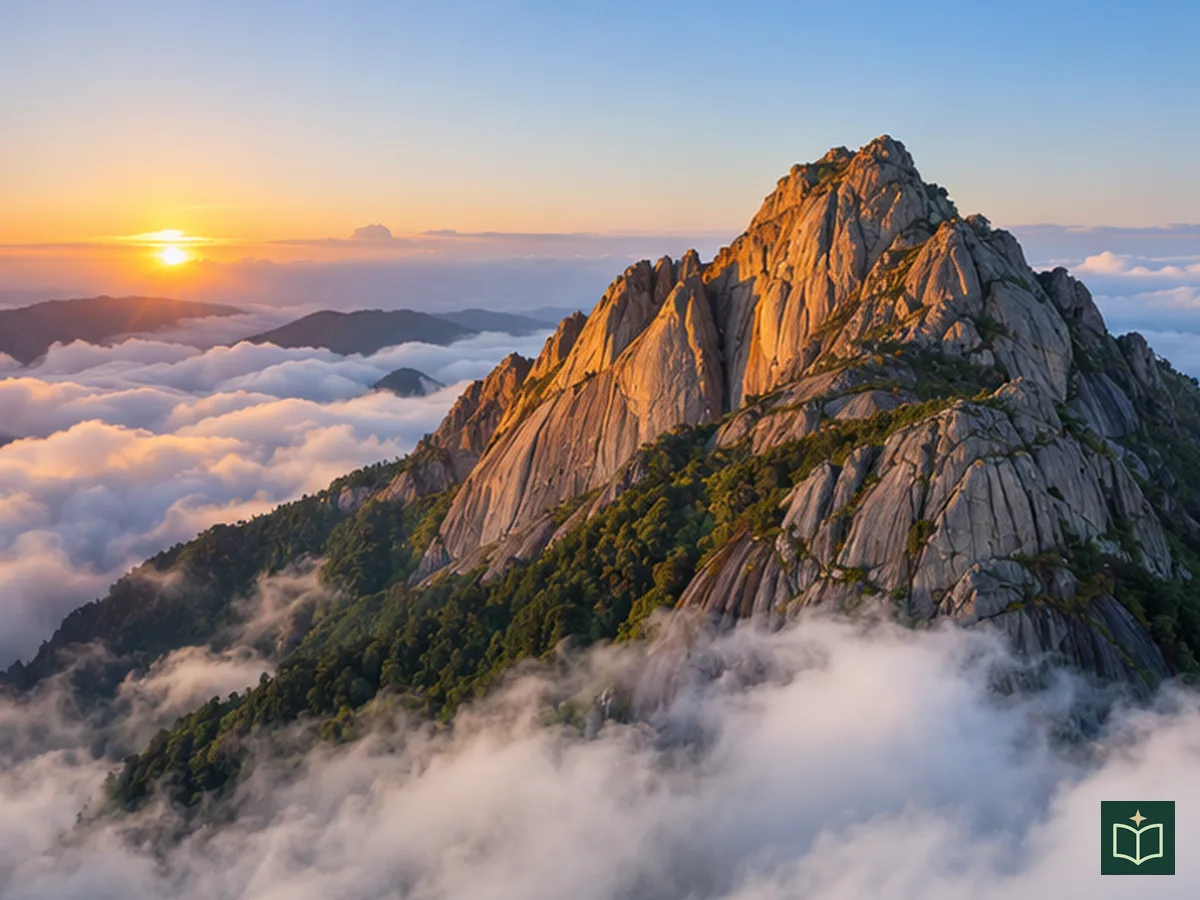
Two entries lie outside the tropics. Cropp River, on the west coast of New Zealand’s South Island, is soaked by westerly winds that pick up moisture over the Tasman Sea and rise abruptly over the Southern Alps. Emei Shan, a sacred Buddhist mountain in China’s Sichuan province, catches moist summer monsoon air. In both cases, the opposite side of the mountains is far drier, an effect called a rain shadow. The dry Canterbury Plains lie east of the Southern Alps, only a short distance from some of the wettest land on Earth, showing how sharply rainfall can change across a single mountain range.
A contrast with the Gulf
For readers in the Gulf, the numbers are almost unimaginable. The UAE receives around 100 millimetres of rain in an average year, so Mawsynram gets more than a hundred times as much. Yet heavy storms do reach Arabia. In April 2024 a station in the UAE recorded about 255 millimetres in 24 hours, the most since national records began in 1949, and flooding disrupted roads and flights. Rainfall records also differ by time span. Cherrapunji holds the world record for a single year, about 26,470 millimetres between August 1860 and July 1861, while the French island of Réunion holds records for the heaviest falls over one to several days.
How reliable are the records?
Ranking wet places is harder than it sounds. Rain gauges must be read regularly in remote and difficult terrain, and some stations have short or patchy records. Ureca’s figure comes from only a few years of observations in the mid-twentieth century, and some Hawaiian values include estimates for missing years. Strong winds can blow rain past gauges, so totals may be underestimated. Different averaging periods also matter, because rainfall varies from year to year. The figures here are long-term averages from published records, and the top three are so close that their order could change with new data. What stays constant is the geography that makes them wet.
Sources & further reading
- WMO · World Weather and Climate Extremes Archive ↗
- India Meteorological Department ↗
- Britannica · Orographic precipitation ↗
Figures are rounded and widely published; check the linked organisations for the latest editions. These organisations do not endorse this website.