What it is
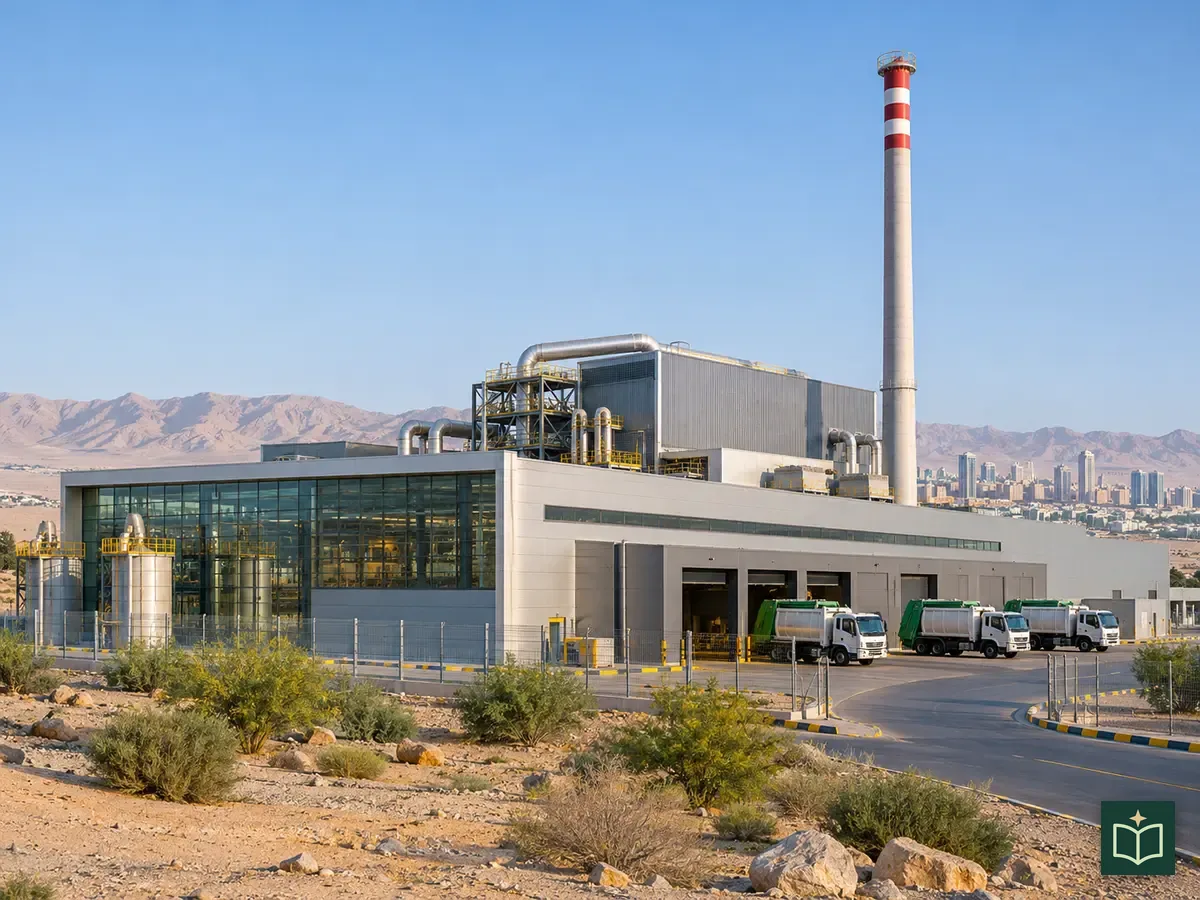
Waste-to-energy, often abbreviated WtE, refers to plants that recover energy from municipal solid waste, the mixed rubbish from homes and businesses, that cannot be recycled economically. The most common technology is mass-burn incineration on moving grates. The plant burns waste at temperatures typically above 850 degrees Celsius, and the heat boils water in a boiler to produce steam, which spins a turbine to generate electricity. In colder countries, the remaining heat often feeds district heating networks, raising overall efficiency. Other technologies, such as gasification and anaerobic digestion of food waste, also recover energy, but grate incineration dominates large-scale plants around the world.
Inside the plant
Rubbish trucks tip waste into a deep bunker, where large grab cranes mix it to achieve a more even fuel. The waste is fed onto inclined grates that move it slowly through the furnace while air is blown through. The energy content of mixed household waste is low compared with fossil fuels, roughly a quarter to a third of that of coal, and varies with moisture and composition. Modern plants use extensive flue-gas cleaning, including systems to remove acid gases, nitrogen oxides, dioxins, heavy metals and dust, with continuous monitoring. Bottom ash is often processed to recover metals and used in construction, while fly ash requires careful disposal.
Gulf giants
Gulf cities generate large amounts of waste per person, and landfill has long been the default disposal method. Several UAE emirates are changing that. The Dubai Waste Management Centre in Warsan, which began operating in the early 2020s, is designed to process around 1.9 million tonnes of waste a year and generate about 200 megawatts of electricity, and has been described as one of the largest waste-to-energy plants in the world. The Sharjah Waste to Energy plant, developed by Beeah and Masdar, began operating in 2022 with capacity to treat around 300,000 tonnes a year. Such plants support national targets to divert waste from landfill.
Benefits
The main benefits are reducing landfill and generating electricity. Incineration typically reduces waste volume by about 90 per cent and its mass by around three-quarters, saving land and preventing the methane emissions that rotting organic waste produces in landfills. Methane is a potent greenhouse gas, so avoiding it can bring climate benefits. Plants also recover metals from ash. In countries with limited land, such as Singapore, Japan and Switzerland, incineration has long been central to waste management. Denmark’s Copenhill plant even has a ski slope on its roof. For Gulf cities, where landfills are filling and land near cities is valuable, WtE is attractive.
Concerns and criticisms
Waste-to-energy is not without drawbacks. Burning plastics derived from oil releases fossil carbon dioxide, so WtE plants are not carbon neutral, and their electricity generation efficiency is relatively low, often around 20 to 30 per cent. Older incinerators were significant sources of dioxins and other pollutants, though modern regulated plants emit far less. Critics argue that large plants, which need a steady supply of waste for decades to repay their costs, can discourage recycling and waste reduction. Most waste policy follows a hierarchy that prioritises preventing waste, then reuse and recycling, with energy recovery ranked above landfill but below recycling.
What to watch
For the Gulf, the key questions are how waste-to-energy fits with recycling and waste reduction. Watch the share of municipal waste diverted from landfill, recycling rates, the separation of food waste for composting or anaerobic digestion, and regulations on single-use plastics. Monitoring and public reporting of emissions also matter for public trust. Internationally, interest is growing in capturing carbon dioxide from WtE plants, which could even achieve negative emissions for the biogenic part of the waste. Waste-to-energy is best seen as a way to handle what remains after reduction and recycling, rather than as a source of power to be maximised.
Sources & further reading
- US Energy Information Administration · Waste-to-energy ↗
- World Bank · What a Waste 2.0 ↗
- Britannica · Incineration ↗
Figures are rounded and widely published; check the linked organisations for the latest editions. These organisations do not endorse this website.