The reactor core
Fuel is made of uranium oxide pellets stacked in metal rods and grouped into assemblies. Most commercial reactors use uranium enriched to about 3–5% uranium-235. Control rods absorb neutrons to slow or stop the chain reaction, and a moderator—usually ordinary water—slows neutrons so they split uranium more effectively.
From heat to electricity
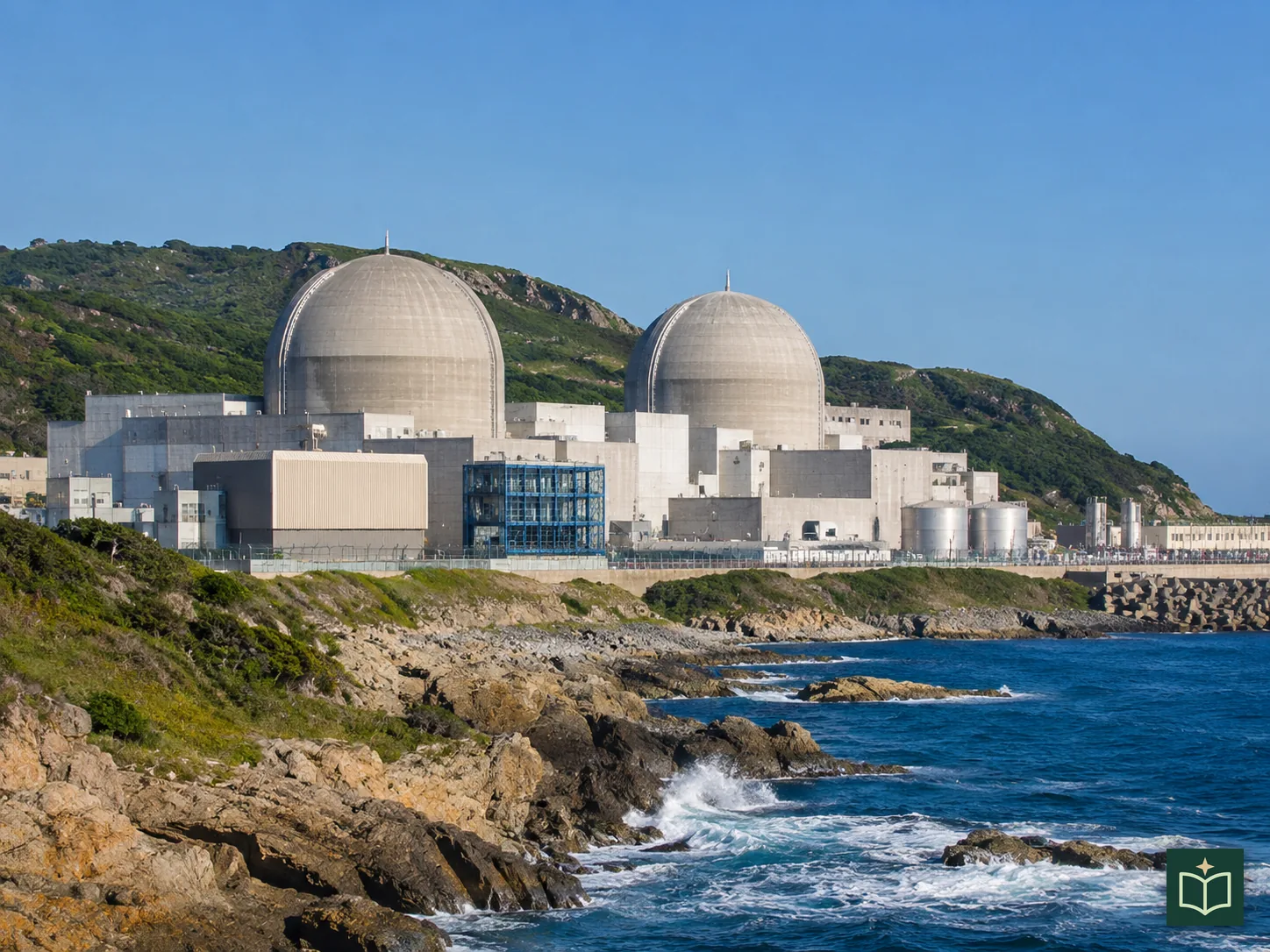
In a pressurised water reactor, the most common type, water in the core is kept under high pressure so it does not boil. It carries heat to steam generators, where a separate water loop turns to steam and drives turbines. The steam is then cooled, often using large cooling towers, seawater or rivers, before returning as water.
Barakah in the UAE
The Barakah Nuclear Energy Plant in Abu Dhabi has four reactors and became fully operational in 2024. According to the Emirates Nuclear Energy Corporation, it can supply up to about a quarter of the UAE’s electricity needs. It was the first nuclear plant in the Arab world.
Safety and waste
Reactors use multiple barriers—fuel cladding, steel pressure vessels and thick concrete containment—and redundant cooling systems. Accidents at Chernobyl in 1986 and Fukushima in 2011 led to major safety reforms worldwide. Spent fuel is highly radioactive and is stored in pools and dry casks; permanent deep geological repositories, such as Finland’s Onkalo, are being developed.
Sources & further reading
Figures are rounded and widely published; check the linked organisations for the latest editions. These organisations do not endorse this website.