The photovoltaic effect
In 1839, Edmond Becquerel observed that light could produce an electric current in certain materials. Bell Labs built the first practical silicon solar cell in 1954. A modern cell has two layers of silicon treated with different impurities, forming a p–n junction with a built-in electric field that sweeps freed electrons in one direction.
From cell to power plant
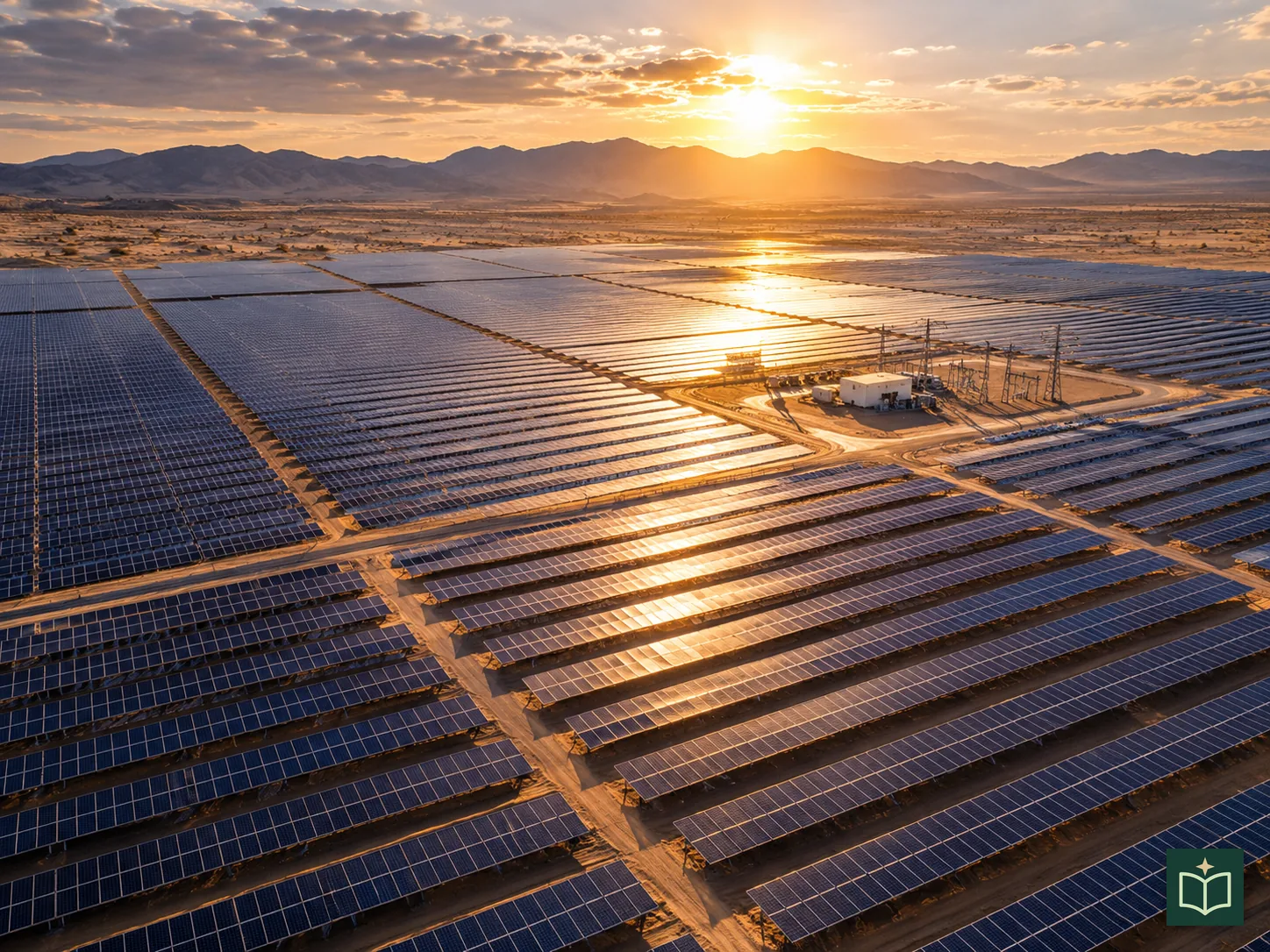
Cells are wired into panels, panels into strings, and strings into arrays. Panels produce direct current, which inverters convert into alternating current for homes and the grid. In desert regions such as the UAE, large solar parks benefit from strong sunlight, though dust must be cleaned regularly and high heat slightly reduces cell efficiency.
Falling costs
The cost of solar power has fallen dramatically—by around 90% for utility-scale projects over the 2010s, according to IRENA—thanks to manufacturing scale and better technology. Very large projects in the Gulf, including the Mohammed bin Rashid Al Maktoum Solar Park in Dubai, have recorded some of the world’s lowest solar electricity prices.
Sun-dependent output
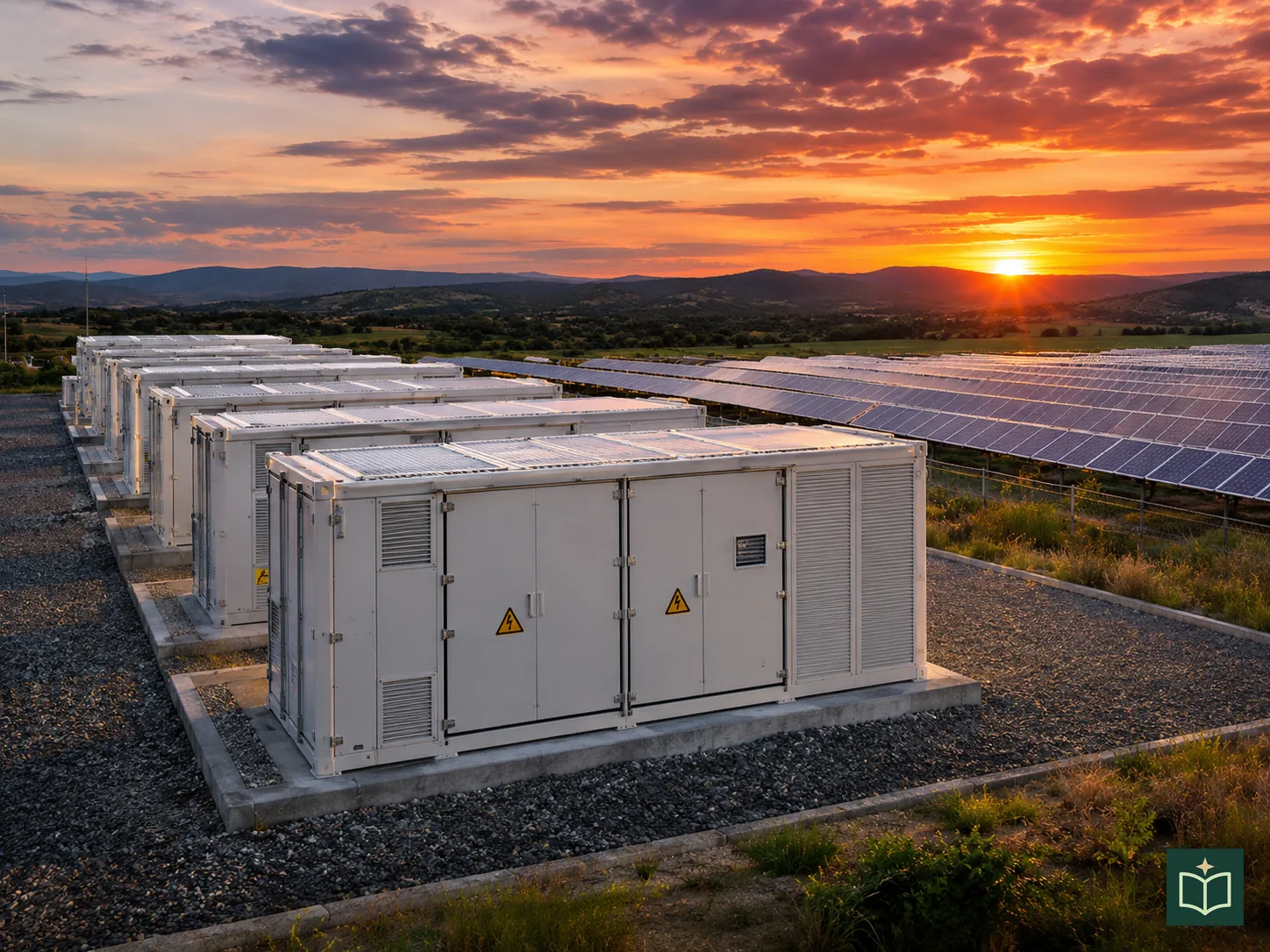
Solar output follows daylight and cloud cover, peaking around midday. Grids balance this with other power sources, flexible demand and increasingly with batteries that store midday solar for the evening. Bifacial panels capture reflected light from the ground, and trackers tilt panels to follow the Sun, boosting output.
Sources & further reading
Figures are rounded and widely published; check the linked organisations for the latest editions. These organisations do not endorse this website.