A warmer island of buildings
In the early nineteenth century, the English amateur meteorologist Luke Howard recorded that London was warmer than the surrounding countryside. Today scientists call this the urban heat island effect. Cities are often several degrees warmer than nearby rural areas, and the difference is usually greatest in the evening and at night, when the countryside cools quickly but urban surfaces keep releasing stored heat. The US Environmental Protection Agency notes that evening differences can reach around 12°C. The effect appears in cities of all sizes, though it tends to be strongest in large, dense urban areas with little vegetation and many hard surfaces.
Why cities heat up
Several factors combine. Asphalt, concrete, stone and dark roofs absorb a large share of incoming sunlight and store it as heat. Buildings lining narrow streets create urban canyons that trap radiation and reduce wind. Cities have fewer trees, parks and moist soils, so less cooling comes from evaporation and shade. Human activity adds waste heat from vehicles, industry and air conditioning units, which pump heat from inside buildings into the streets. Air pollution can also trap outgoing heat. The result is a distinctive urban climate, with higher temperatures, often lower humidity in temperate cities and altered patterns of wind and even rainfall.
Desert cities are different
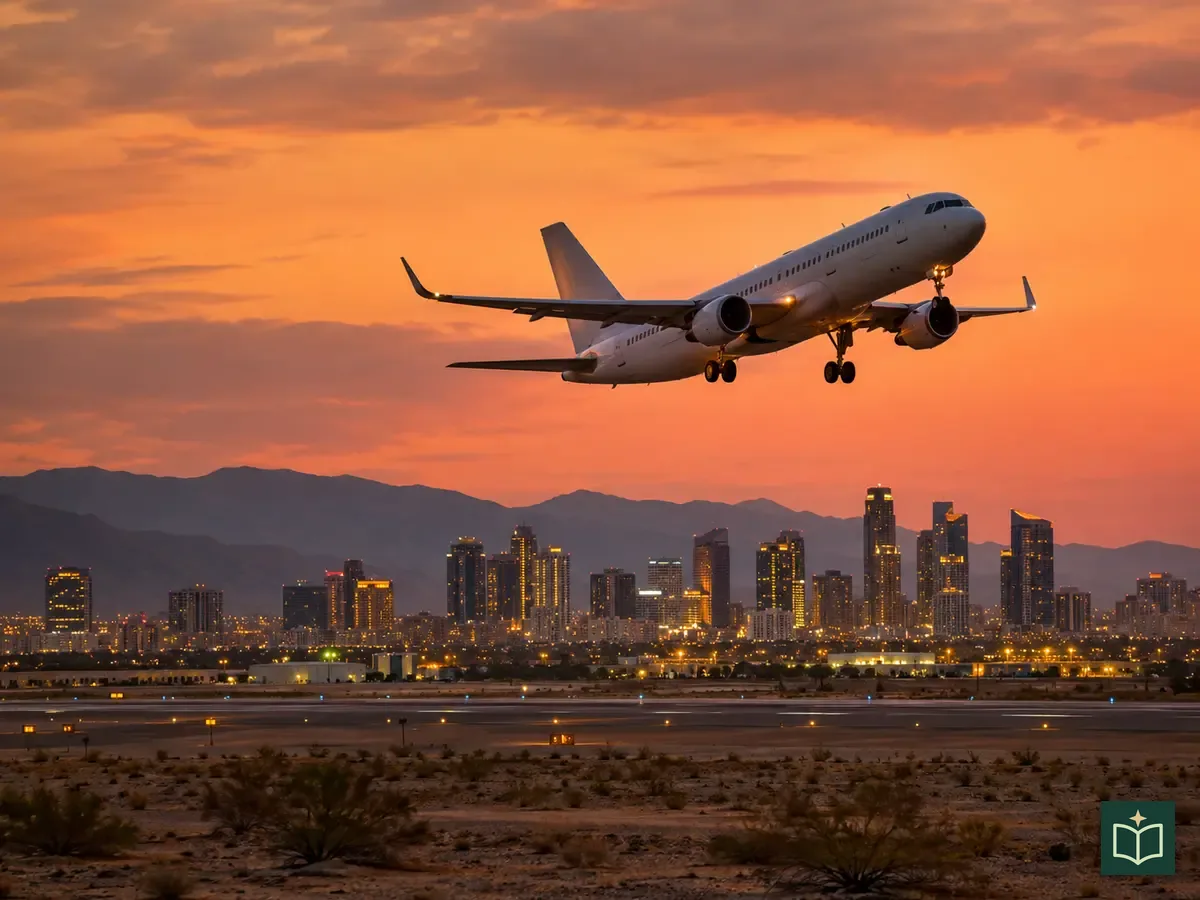
The effect can behave differently in hot desert cities. In the Gulf, the surrounding desert heats intensely by day, and its dry sand cools quickly after sunset. Some studies of desert cities have found that during the day, irrigated parks, trees and the shade cast by buildings can make parts of a city slightly cooler than the open desert, a pattern sometimes called an urban cool island. At night, however, cities typically stay warmer, as buildings and pavements release stored heat. In coastal cities such as Dubai and Abu Dhabi, high humidity adds to the discomfort, making warm nights an important factor for health and energy use.
Effects on health and energy
Higher temperatures, particularly at night, reduce the body’s ability to recover from daytime heat, increasing risks for older people, young children, outdoor workers and those with chronic illnesses. Urban heatwaves have caused significant numbers of deaths in many parts of the world. Warmer cities also use more electricity for cooling, which raises costs and, where power comes from fossil fuels, emissions, creating a feedback loop as air conditioners release more heat outdoors. Heat can also worsen air quality by speeding up the reactions that form ground-level ozone. Health authorities advise people to stay hydrated, seek shade and get medical help for signs of heat illness.
Old and new ways to cool
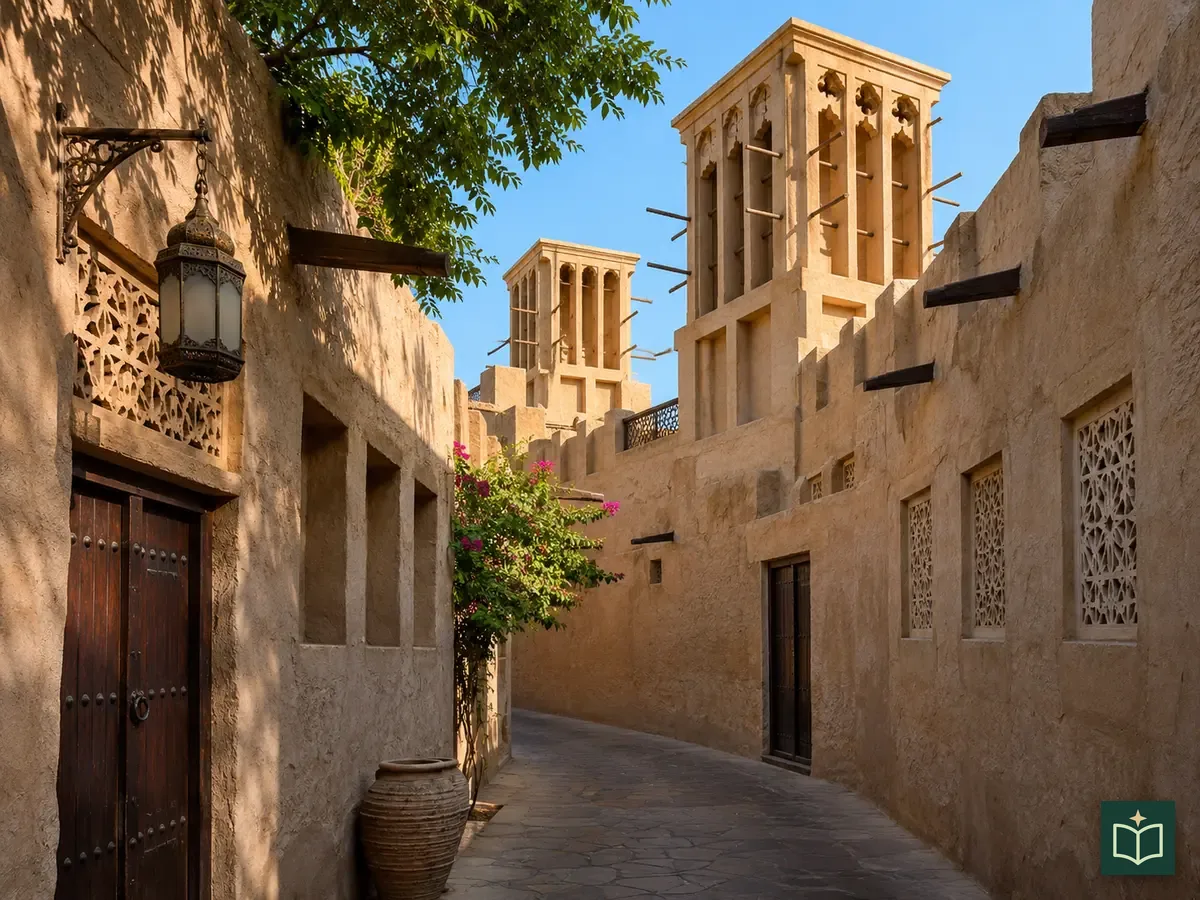
Traditional Gulf architecture offers lessons. In historic districts such as Al Fahidi in Dubai, narrow shaded lanes, thick walls, courtyards and wind towers, known as barjeel, helped keep homes and streets cooler without electricity. Modern strategies follow similar principles: planting trees, creating shaded walkways, using light-coloured or reflective roofs and pavements, and orienting streets to channel breezes. Green roofs and walls can help in some climates, though they need water. District cooling networks, widely used in the Gulf, can serve many buildings more efficiently than individual units. Individually, such measures may lower local temperatures by a degree or two; together, they add up.
Planning for hotter cities
As cities grow and the climate warms, managing urban heat is becoming a central part of planning. Researchers map heat across neighbourhoods using satellite thermal images and street-level sensors, often finding that poorer areas with fewer trees are hotter. Many cities now publish heat action plans, set targets for tree cover and shade, and adapt building codes to favour cooler materials and designs. In the Gulf, rules restricting outdoor work during the hottest midday hours of summer reflect awareness of heat risks. The urban heat island is a reminder that city design shapes not only how a place looks but how it feels.
Sources & further reading
Figures are rounded and widely published; check the linked organisations for the latest editions. These organisations do not endorse this website.