A heavy, slightly radioactive metal
Uranium is a dense, silvery metal found in small amounts in rocks, soil and seawater almost everywhere. It is only weakly radioactive in its natural state, decaying so slowly that much of the uranium present when Earth formed still exists today. Its value lies in the isotope uranium-235, which can split when struck by a neutron, releasing energy and more neutrons that can sustain a chain reaction. Natural uranium, however, is about 99.3% uranium-238 and only about 0.7% uranium-235. Most commercial reactors need a higher proportion, so turning ore into fuel involves a series of chemical and physical stages known collectively as the front end of the nuclear fuel cycle.
Mining and yellowcake
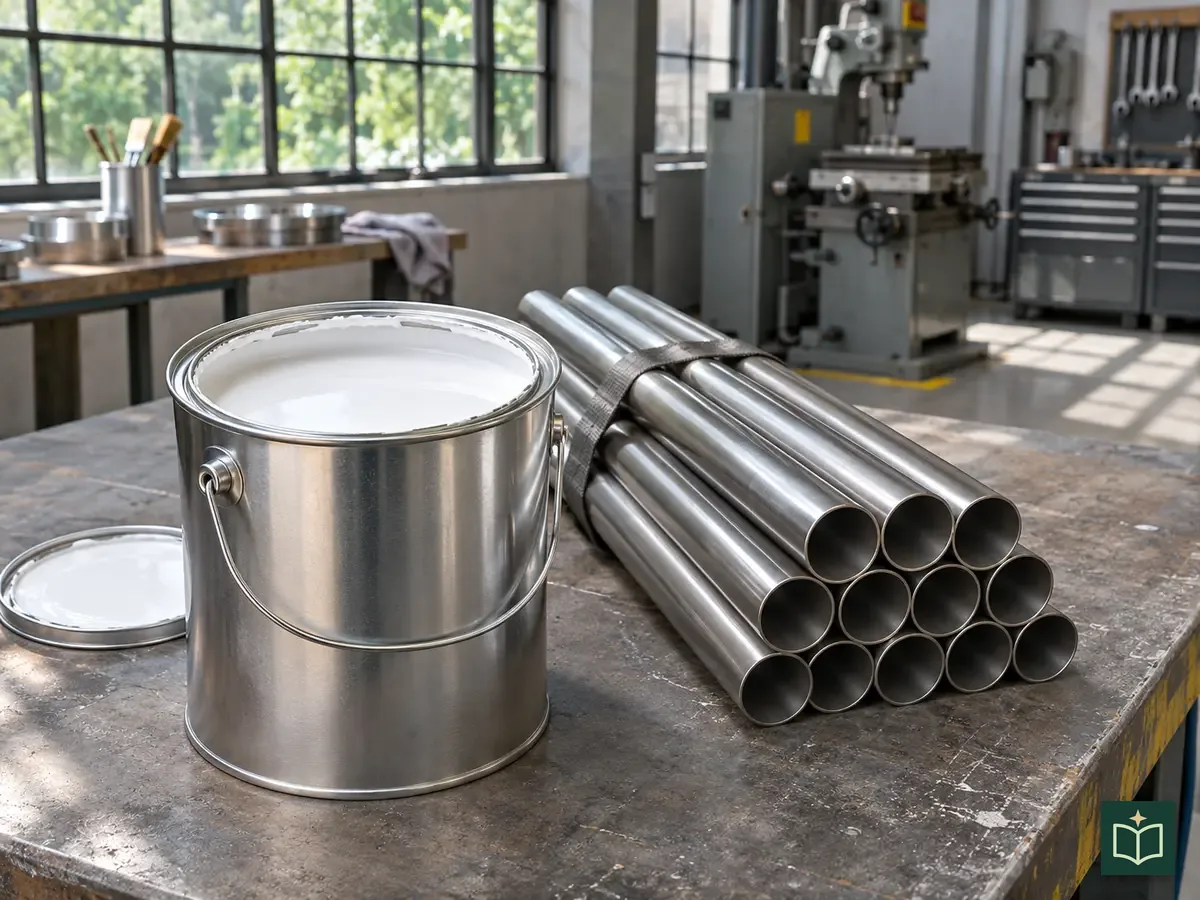
Uranium is mined in several ways. Conventional open-pit and underground mines extract ore, and Canada’s Athabasca Basin is known for exceptionally high-grade deposits. Increasingly, though, uranium is produced by in-situ leaching, in which a solution is pumped underground to dissolve uranium from porous rock and the liquid is brought back to the surface for processing. Kazakhstan, the world’s largest producer for many years, relies mainly on this method. Whatever the source, uranium is processed at a mill into a concentrate of uranium oxide, often called yellowcake because of the colour of early forms, though modern concentrates are often dark. It is packed into steel drums for transport.
Conversion and enrichment
Enrichment works best on a gas, so yellowcake is chemically converted into uranium hexafluoride, a compound that becomes a gas at modest temperatures. Enrichment plants then spin this gas in long cascades of high-speed centrifuges. Molecules containing the slightly heavier uranium-238 drift towards the outer wall, while those with uranium-235 concentrate nearer the centre, and repeating the process many times gradually raises the proportion of uranium-235. Power reactor fuel is typically enriched to around 3% to 5%, far below the levels associated with weapons. Because enrichment technology could be misused, it is closely monitored by the International Atomic Energy Agency and offered by only a handful of countries and companies.
Pellets, rods and assemblies
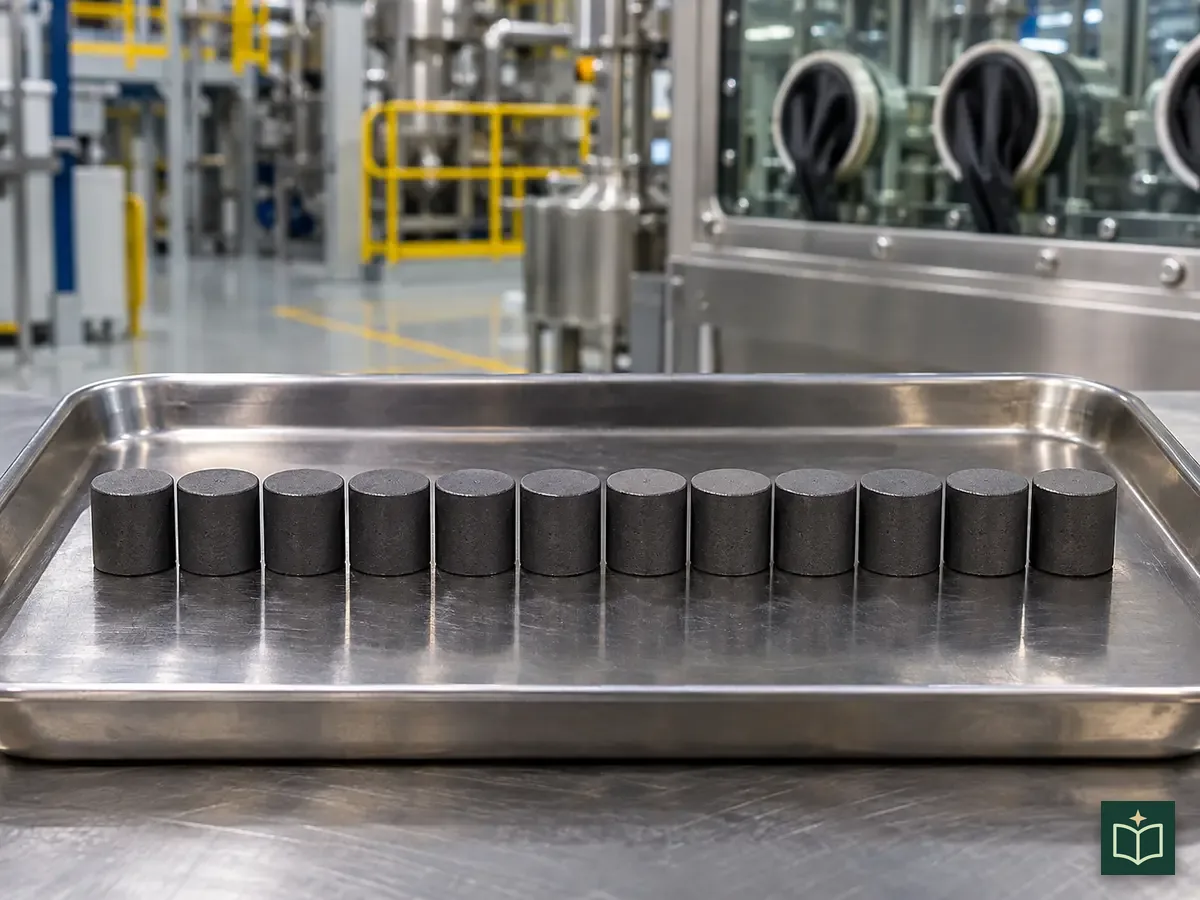
The enriched gas is converted into uranium dioxide powder and pressed into small ceramic pellets, each roughly the size of a fingertip, which are baked at high temperature. Pellets are stacked inside long, thin tubes of zirconium alloy, sealed to form fuel rods, and the rods are bundled into fuel assemblies designed for a specific reactor type. The energy density is remarkable: a single pellet can release roughly as much energy as a tonne of coal. Fuel assemblies stay in a reactor for several years before they are removed. The spent fuel remains highly radioactive and hot, so it is first cooled in pools and then often stored in sealed dry casks.
The UAE’s fuel story
The UAE’s Barakah nuclear energy plant, west of Abu Dhabi, has four large pressurised water reactors and can supply up to around a quarter of the country’s electricity. Its fuel is bought through international contracts covering uranium supply, conversion, enrichment and fabrication, all carried out abroad. The UAE committed in its civil nuclear agreements and policies not to pursue domestic enrichment or reprocessing of spent fuel, a choice widely cited in non-proliferation discussions. Barakah operates under the oversight of the UAE’s Federal Authority for Nuclear Regulation and IAEA safeguards. This approach shows that a country can operate nuclear power without developing every stage of the fuel cycle itself.
What to watch
The uranium supply chain is concentrated at several points. A small number of countries dominate mining, and conversion and enrichment capacity is limited to a few suppliers, which has made security of supply a policy concern for utilities and governments. Interest in new reactor designs, including small modular reactors, is raising questions about fuels enriched to higher levels than today’s, which would require new production capacity and safeguards. Long-term solutions for high-level radioactive waste also remain under development in many countries. This explainer is educational and offers no investment advice; it aims to show how a common metal becomes a precise, tightly regulated fuel.
Sources & further reading
Figures are rounded and widely published; check the linked organisations for the latest editions. These organisations do not endorse this website.