Common, not rare
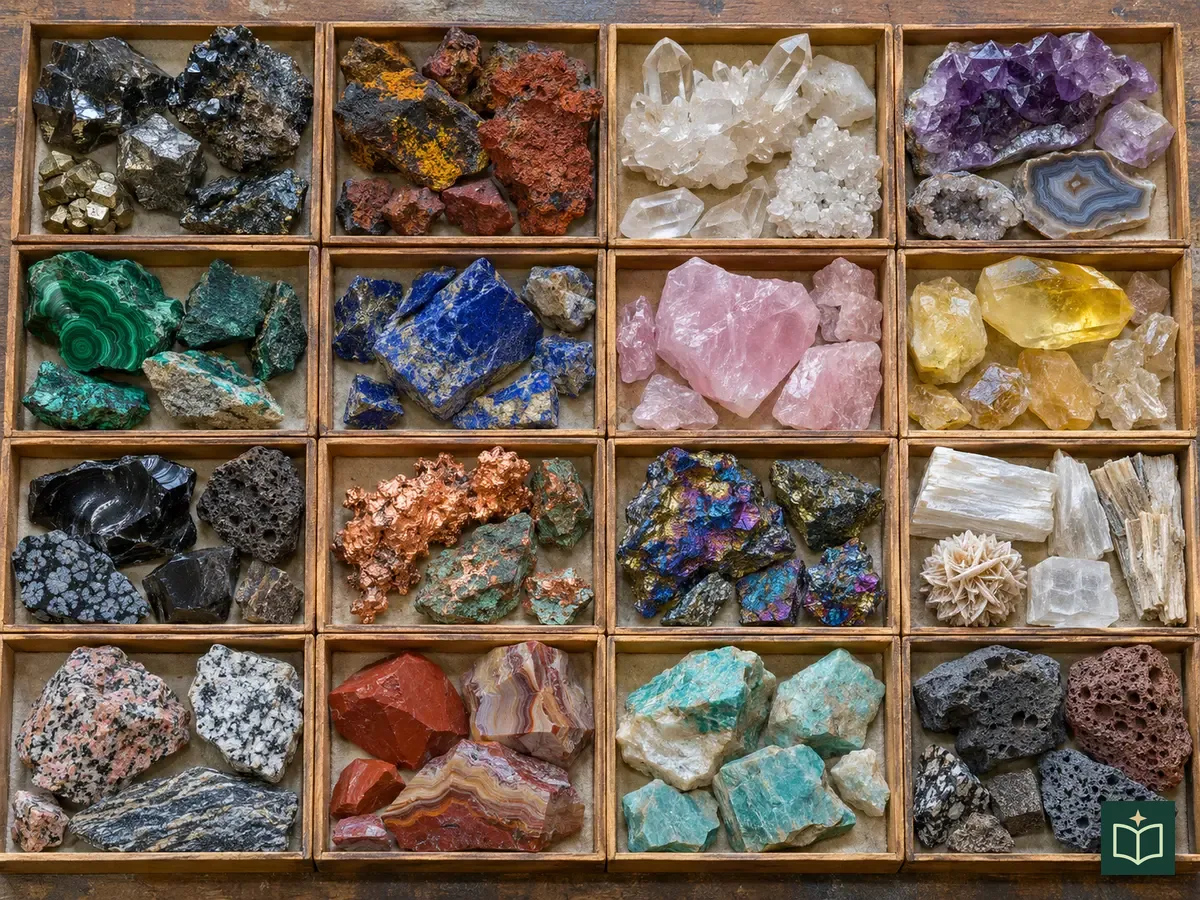
Titanium is the ninth most abundant element in Earth’s crust, far more common than copper or zinc. It is found mainly in two minerals, ilmenite, an iron-titanium oxide, and rutile, which is almost pure titanium dioxide. Many deposits are mineral sands, where heavy minerals have been concentrated by waves and wind along ancient or modern coastlines, in countries such as Australia, South Africa, Mozambique and others. Other major sources are hard-rock deposits in Canada, Norway and China. Titanium earned its name from the Titans of Greek mythology, given by the German chemist Martin Heinrich Klaproth in the 1790s, though pure titanium metal was not produced until the twentieth century.
A brilliant white
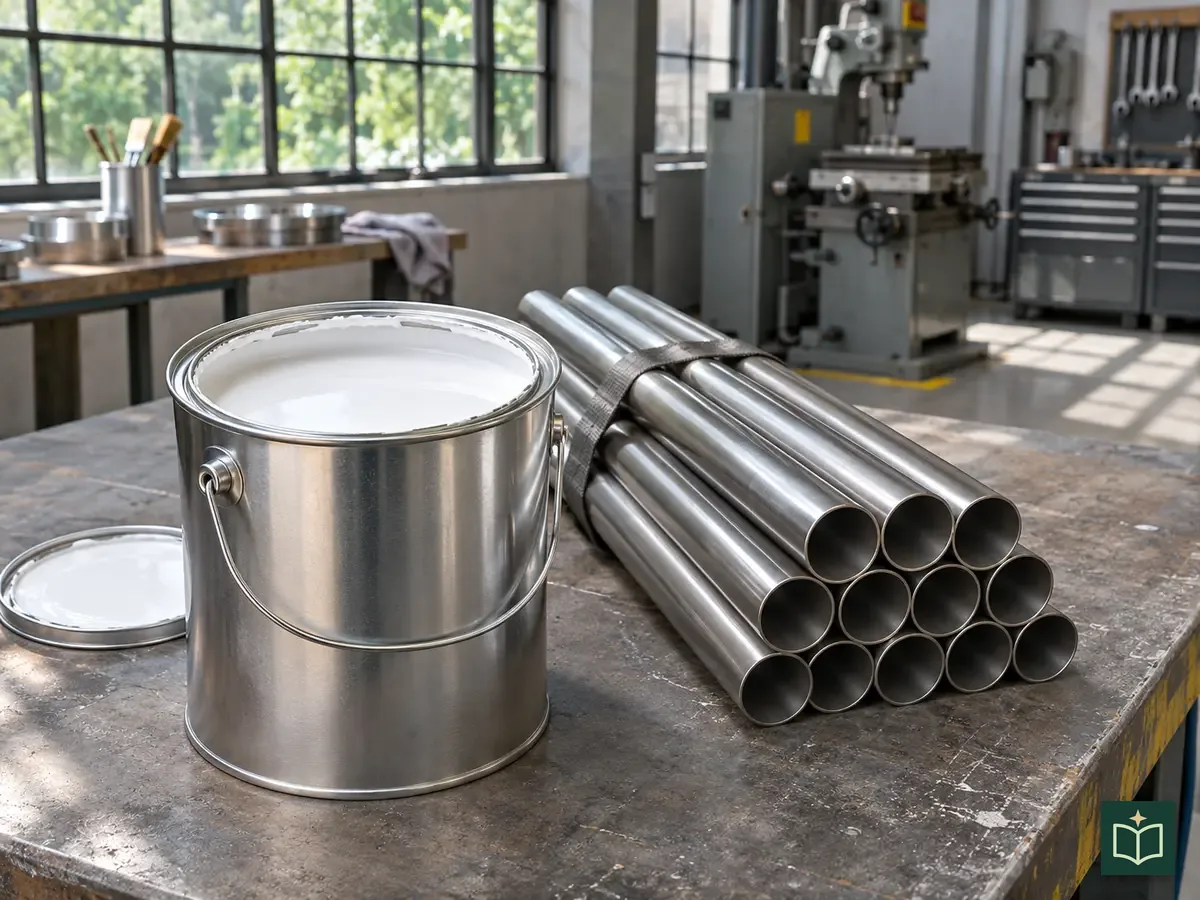
About 90% of titanium mineral concentrates are used to make titanium dioxide pigment, according to the US Geological Survey. Titanium dioxide has a very high refractive index, meaning it bends and scatters light more strongly than almost any other common white material. That makes it exceptionally effective at producing opaque, bright whites in paints, coatings, plastics, paper, inks and many other products. It is also used in some sunscreens, because fine particles block ultraviolet light. The European Union banned titanium dioxide as a food additive, E171, from 2022, citing uncertainty about its safety when eaten, while other regulators have reached different conclusions about its use in food.
The difficult metal
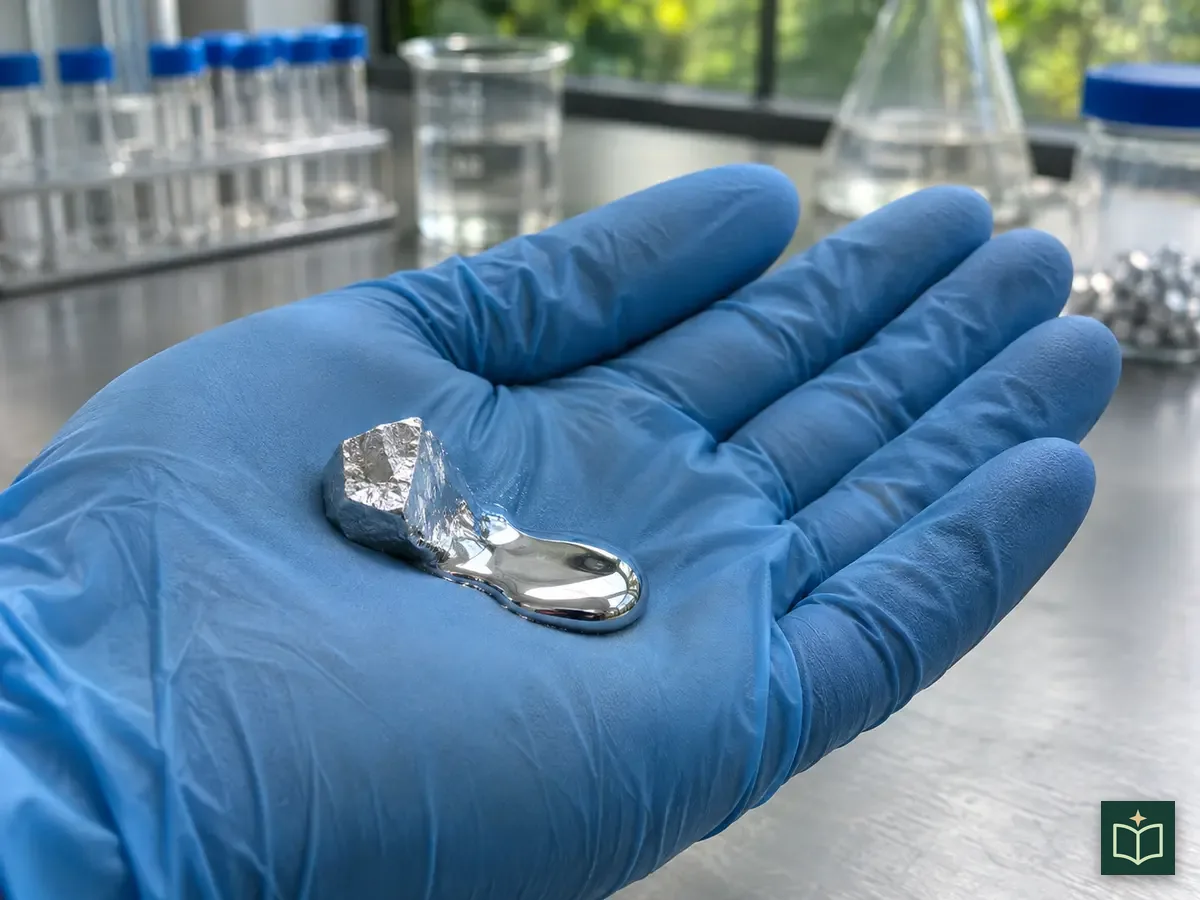
Making titanium metal is hard because titanium binds strongly to oxygen and nitrogen, and the metal becomes brittle if contaminated. The standard method, the Kroll process, was developed in the 1940s. Titanium ore is converted into titanium tetrachloride, a liquid, which is then reacted with molten magnesium in sealed vessels under an inert atmosphere. The result is titanium sponge, a porous metal that is crushed, melted, usually in vacuum furnaces, and alloyed. The process works in batches and is energy-intensive and slow, which is why titanium costs far more than steel or aluminium. Researchers have spent decades trying to develop cheaper, continuous methods, with only limited commercial success.
Strong, light and durable
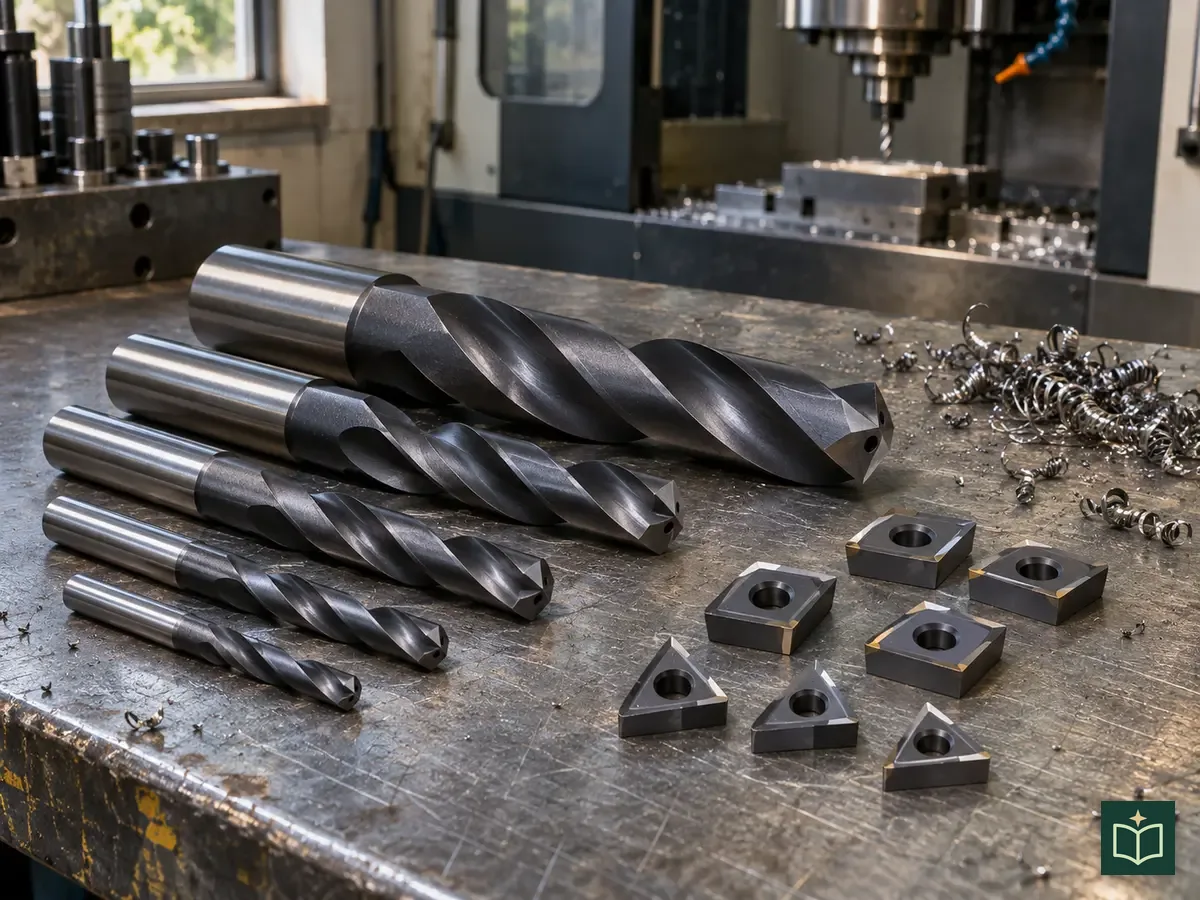
Titanium alloys are roughly as strong as many steels while weighing about 40% less, and they resist corrosion extremely well because a thin, tough oxide film forms on the surface. These qualities make titanium vital in aerospace, where it is used in airframes, landing gear and jet engine components. The human body tolerates titanium well, and bone can grow directly against its surface, a process called osseointegration, which makes it the standard material for dental implants and many joint replacements. Titanium also appears in high-performance sporting goods, watches, eyeglass frames and chemical processing equipment, where resistance to corrosive substances matters more than cost.
Titanium and seawater
Titanium’s resistance to seawater makes it particularly valuable in the Gulf. Desalination and power plants pump enormous quantities of hot, salty water through heat exchangers and condensers, where ordinary metals can corrode quickly. Titanium tubes and plates can withstand these conditions for decades, which has made them a common choice in many thermal desalination and coastal power facilities. Offshore oil and gas platforms also use titanium for some piping and equipment exposed to seawater. In each case, the higher upfront cost is weighed against longer life and less maintenance. The material’s durability in salt water is one reason engineers describe it as practically immune to seawater corrosion under normal conditions.
What to watch
The titanium metal supply chain is concentrated: a few countries, including China, Japan, Russia and Kazakhstan, produce most of the world’s titanium sponge, and aerospace-grade metal requires rigorous certification. Governments that rely on titanium for defence and aviation pay close attention to secure supply. Additive manufacturing, or 3D printing, is enabling complex titanium parts with less waste, which matters for an expensive metal. In the pigment industry, attention focuses on construction and consumer demand, environmental management of processing waste and regulatory debates. This explainer is educational and offers no investment advice. Titanium’s two lives, as a gleaming metal and a white powder, make it one of the most versatile elements in industry.
Sources & further reading
Figures are rounded and widely published; check the linked organisations for the latest editions. These organisations do not endorse this website.