An ancient metal
Tin has been in human hands for at least 5,000 years, mainly because adding it to copper makes bronze, an alloy harder and easier to cast than copper alone. The Bronze Age depended on tin, yet tin ores are scarce and unevenly distributed, so early civilisations traded it across long distances, from sources in Central Asia, Anatolia, and later Cornwall and Iberia. Tin’s main ore is cassiterite, a heavy, dark tin oxide that often accumulates in river gravels because of its density. Tin itself is soft, silvery and resistant to corrosion, and it melts at only 232 °C. Those properties explain both its historic and modern uses.
The joint in every device
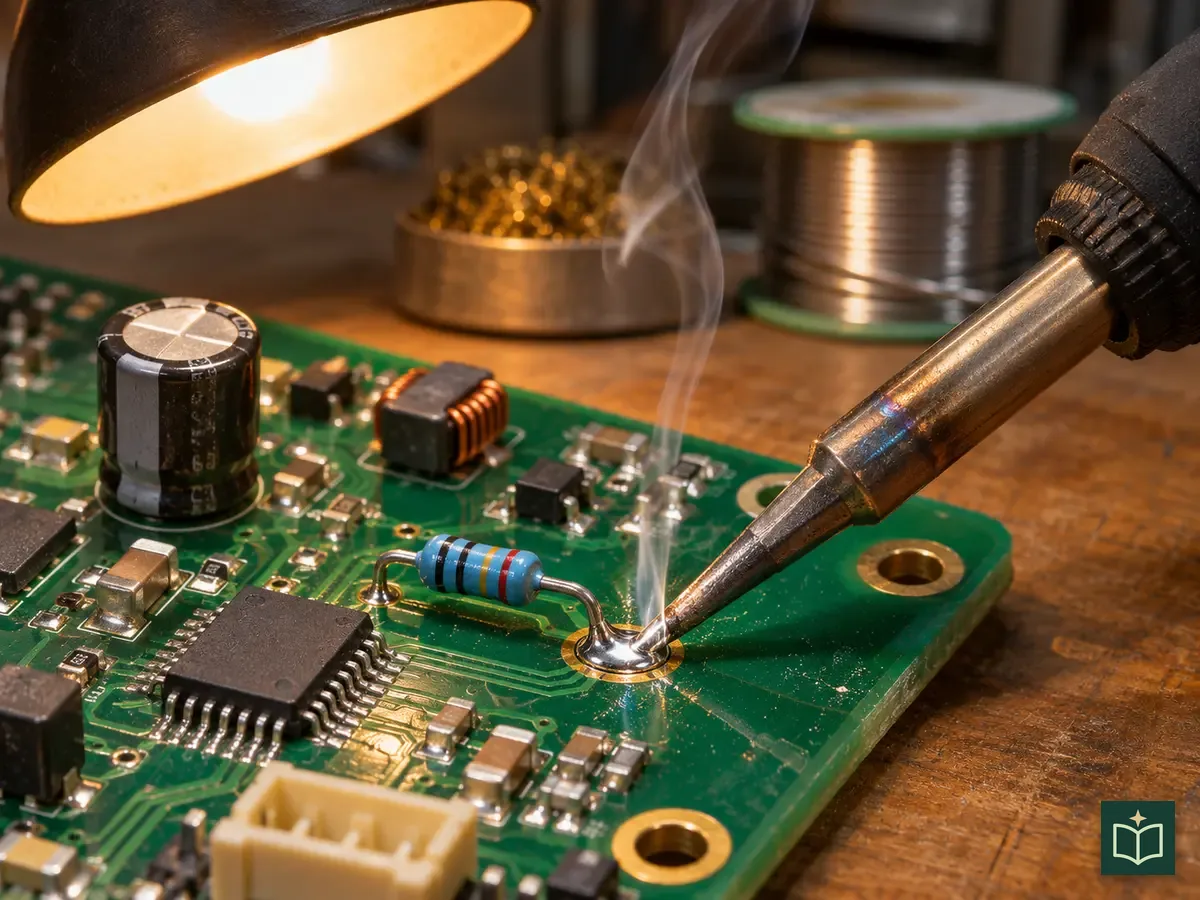
The largest use of tin today, around half of global consumption, is solder, the alloy that joins electronic components to circuit boards. Billions of tiny solder joints hold together phones, computers, cars and household appliances, carrying electrical signals while holding parts mechanically in place. Traditional solder combined tin with lead, but health and environmental concerns led the European Union to restrict lead in most electronics from 2006, and many other markets followed. Lead-free solders contain even more tin, typically combined with small amounts of silver and copper. As electronics spread into vehicles, solar panels and data centres, the demand for solder has become closely linked to digital and energy technologies.
Why a tin can is not tin
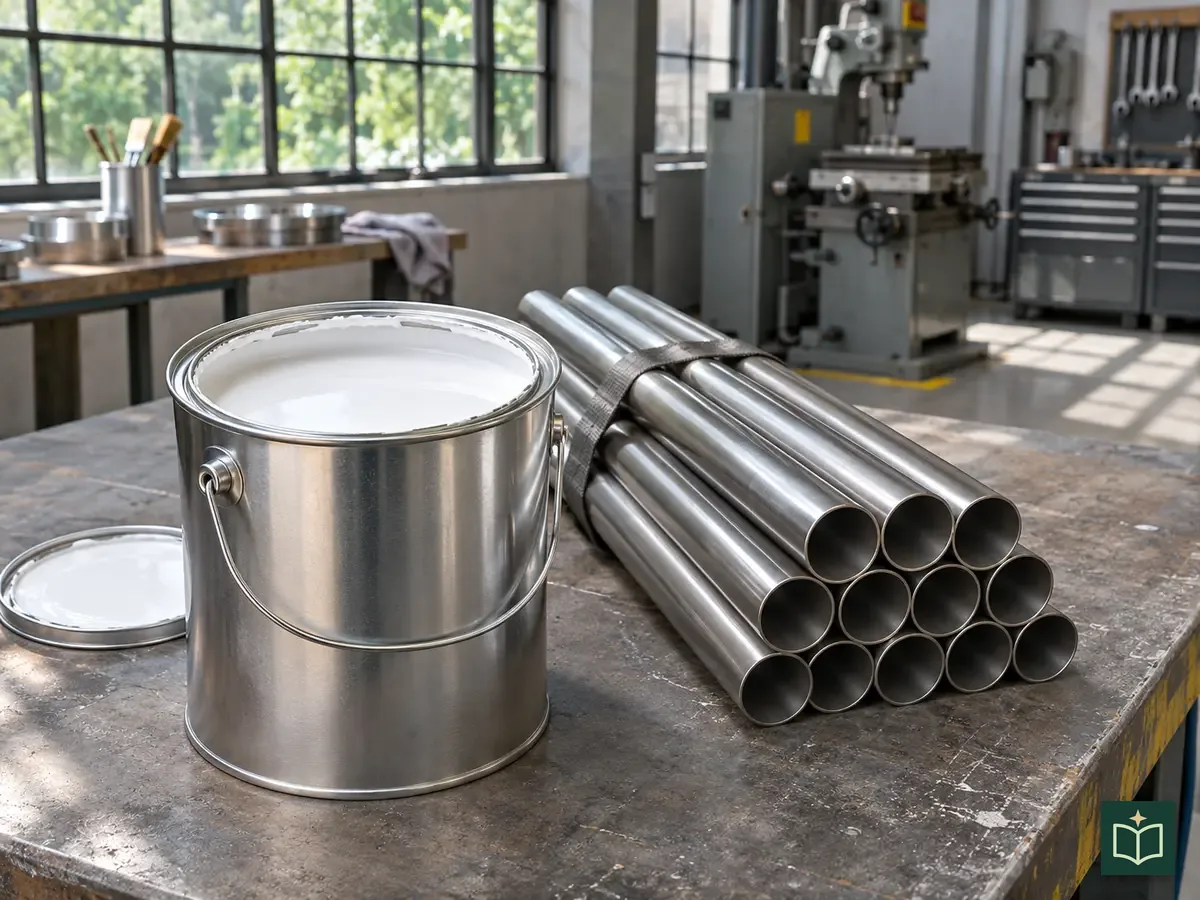
The phrase tin can is a historical shorthand. A food can is usually made of tinplate, steel sheet coated on both sides with a very thin layer of tin, typically well under a hundredth of a millimetre. The steel provides strength, while the tin resists corrosion and is non-toxic, protecting food from contact with the steel. Canned food emerged in the early nineteenth century, and tinplate made mass canning practical. Today many cans also have internal polymer coatings, and drinks cans are commonly made of aluminium rather than tinplate. Tin chemicals are also used in PVC plastics, glass coatings and other industrial applications, and tin is increasingly studied for battery anodes.
Where tin comes from
Tin production is concentrated in a few countries. China has long been the largest producer of refined tin, and Indonesia, especially the islands of Bangka and Belitung, is a major miner and exporter. Myanmar, Peru, Bolivia, Brazil and the Democratic Republic of the Congo are also significant sources. Mining ranges from large operations to small-scale artisanal digging and dredging, including offshore dredging around Indonesian islands, which has raised environmental concerns. Bolivia’s tin mines were historically central to its economy. Because tin is one of the so-called 3TG conflict minerals, alongside tantalum, tungsten and gold, companies in many markets must check whether their supply chains finance armed groups.
The legend of tin pest
Tin has an unusual property. Below about 13 °C, ordinary white tin can slowly transform into grey tin, a brittle, powdery form, in a process known as tin pest. In practice, the change is usually extremely slow and can be inhibited by small amounts of other elements. Popular stories have blamed tin pest for crumbling buttons on Napoleon’s soldiers during the retreat from Moscow, or for failed fuel cans on polar expeditions, but historians generally regard these explanations as unproven or exaggerated. Tin pest does receive attention from engineers, however, because some lead-free solders may be more susceptible in very cold environments, such as aerospace and polar applications.
What to watch
Tin is a small market by tonnage, which means that disruptions at a single mine, a policy change in a producing country or a shift in electronics demand can have pronounced effects. Recycling plays an important role: tin is recovered from solder dross, electronic scrap and tinplate. Industry groups follow the development of solar panel and electric vehicle electronics, which add new solder demand, as well as research into tin-based battery materials. Responsible sourcing expectations continue to tighten. This explainer is educational and offers no investment advice. Tin’s story shows how an ancient metal can find a vital and largely invisible role inside modern technology.
Sources & further reading
Figures are rounded and widely published; check the linked organisations for the latest editions. These organisations do not endorse this website.