Heavy stone, wolf’s foam
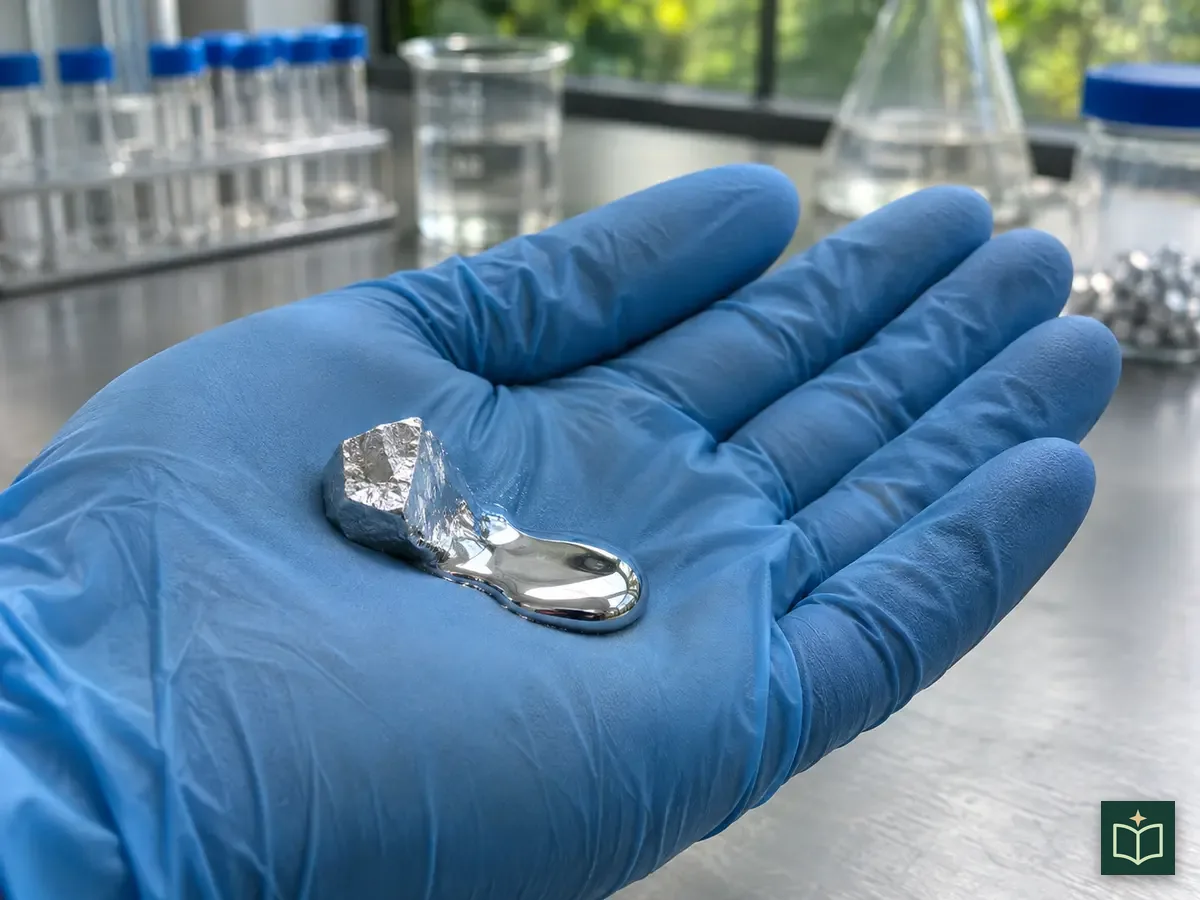
Tungsten’s name comes from Swedish words meaning heavy stone, a reference to the weight of its ore. Its chemical symbol, W, comes from wolfram, an older German name linked to the mineral wolframite; medieval tin smelters complained that the mineral devoured tin like a wolf, reducing their yields. The metal was isolated in 1783 by the Spanish brothers Juan José and Fausto Elhuyar. Tungsten stands out for several extreme properties. It has the highest melting point of any metal, about 3,422 °C, and very high strength at elevated temperatures. It is also extremely dense, at about 19.3 grams per cubic centimetre, almost identical to the density of gold.
Carbide: the cutting edge
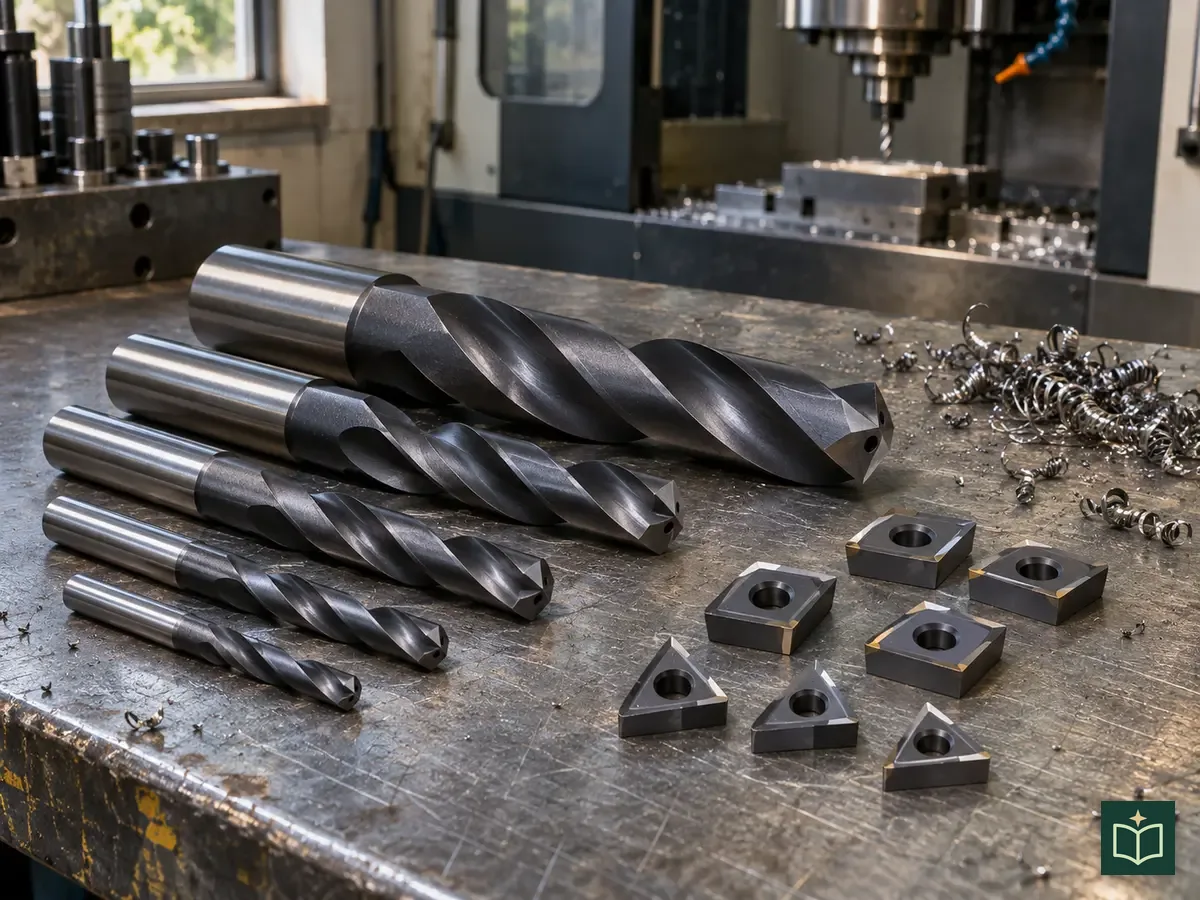
The largest use of tungsten is in cemented carbide, often simply called hard metal. Tungsten carbide, a compound of tungsten and carbon, is one of the hardest manufactured materials, second only to diamond and a few others in common use. Fine carbide powder is mixed with a metal binder, usually cobalt, pressed into shape and heated until the particles bond. The resulting inserts, drill bits and tools cut steel, drill through rock in mines and oil wells, and machine components for cars and aircraft. Carbide keeps its hardness at the high temperatures generated during cutting, allowing faster machining than ordinary tool steel. Industry depends heavily on these tools.
Light bulbs and high heat
For most of the twentieth century, tungsten was best known as the glowing filament inside incandescent light bulbs. In 1910, William Coolidge developed a method to make tungsten ductile enough to draw into thin wire, allowing filaments that could glow at very high temperatures without melting. Incandescent bulbs have largely been replaced by LEDs, but tungsten’s heat resistance is still essential elsewhere. It is used in the electrodes of tungsten inert gas welding, in heating elements and furnace parts, in rocket nozzles and in X-ray tubes, where electrons strike a tungsten target to produce X-rays. Fusion research reactors also use tungsten to line surfaces exposed to intense heat.
Dense enough to fool
Tungsten’s density makes it useful wherever a lot of mass must fit into a small space: in counterweights for aircraft and racing cars, vibration dampers in phones, radiation shielding and some sporting equipment. The same property has a darker side. Because tungsten and gold weigh almost the same for the same volume, counterfeiters have occasionally drilled out gold bars and filled them with tungsten, or plated tungsten blocks with gold. A simple weight-and-size check cannot detect this. Dealers and refiners therefore use methods such as ultrasound, electrical conductivity measurements and, when needed, drilling or assay to confirm that a bar is solid gold throughout, rather than gold on the outside only.
Where tungsten comes from
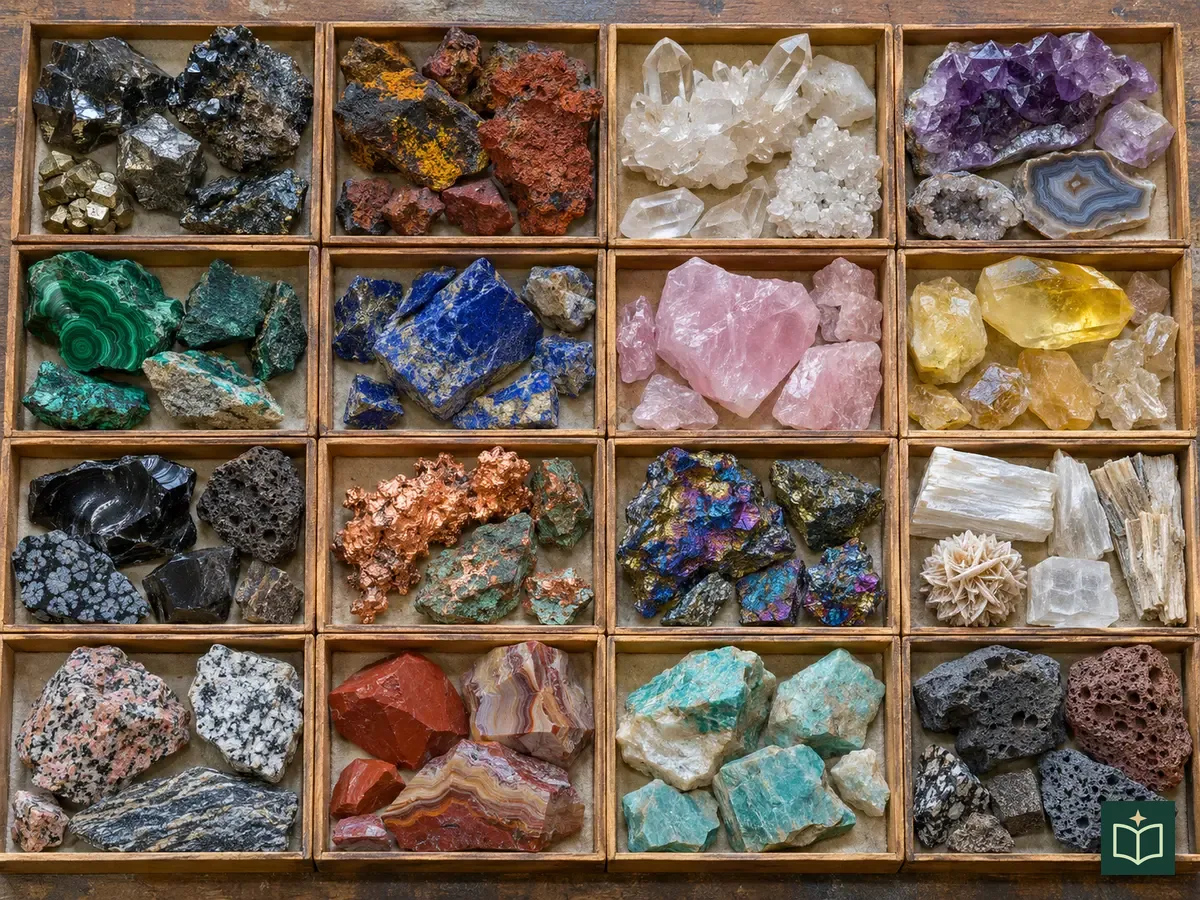
Tungsten is mined mainly from two minerals: wolframite, an iron-manganese tungstate, and scheelite, a calcium tungstate. China has long dominated production, accounting for roughly 80% of global mine output according to the US Geological Survey, and it is also the leading processor. Other producers include Vietnam, Russia, Bolivia, Rwanda, Austria, Portugal and Spain. Tungsten is one of the 3TG conflict minerals, together with tin, tantalum and gold, because mining in parts of Central Africa has been linked to armed groups. Companies in many markets are required to check their supply chains. Recycling is significant: used carbide tools and scrap are routinely collected and reprocessed into fresh powder.
What to watch
Because tungsten is critical for manufacturing, defence and energy, and its supply is so concentrated, many governments list it as a critical mineral. New mines outside China are being developed in several countries, but tungsten deposits are often small and complex to process, so progress tends to be slow. Demand is tied to industrial activity, especially machining, mining and oil and gas drilling, and to newer areas such as fusion research and advanced electronics. Recycling and more efficient use of carbide remain important levers. This explainer is educational and offers no investment advice. Tungsten’s lesson is that some of the most strategic metals work invisibly, at the cutting edge of industry.
Sources & further reading
Figures are rounded and widely published; check the linked organisations for the latest editions. These organisations do not endorse this website.