How ships are measured
Cruise ships are usually ranked by gross tonnage, which despite its name is not a weight. It is a measure of a ship's total enclosed internal volume, calculated using an international formula. A higher gross tonnage means more space for cabins, restaurants, theatres and public areas. Other ways to compare ships include length, height and maximum passenger capacity, which can give slightly different rankings.
The Icon class
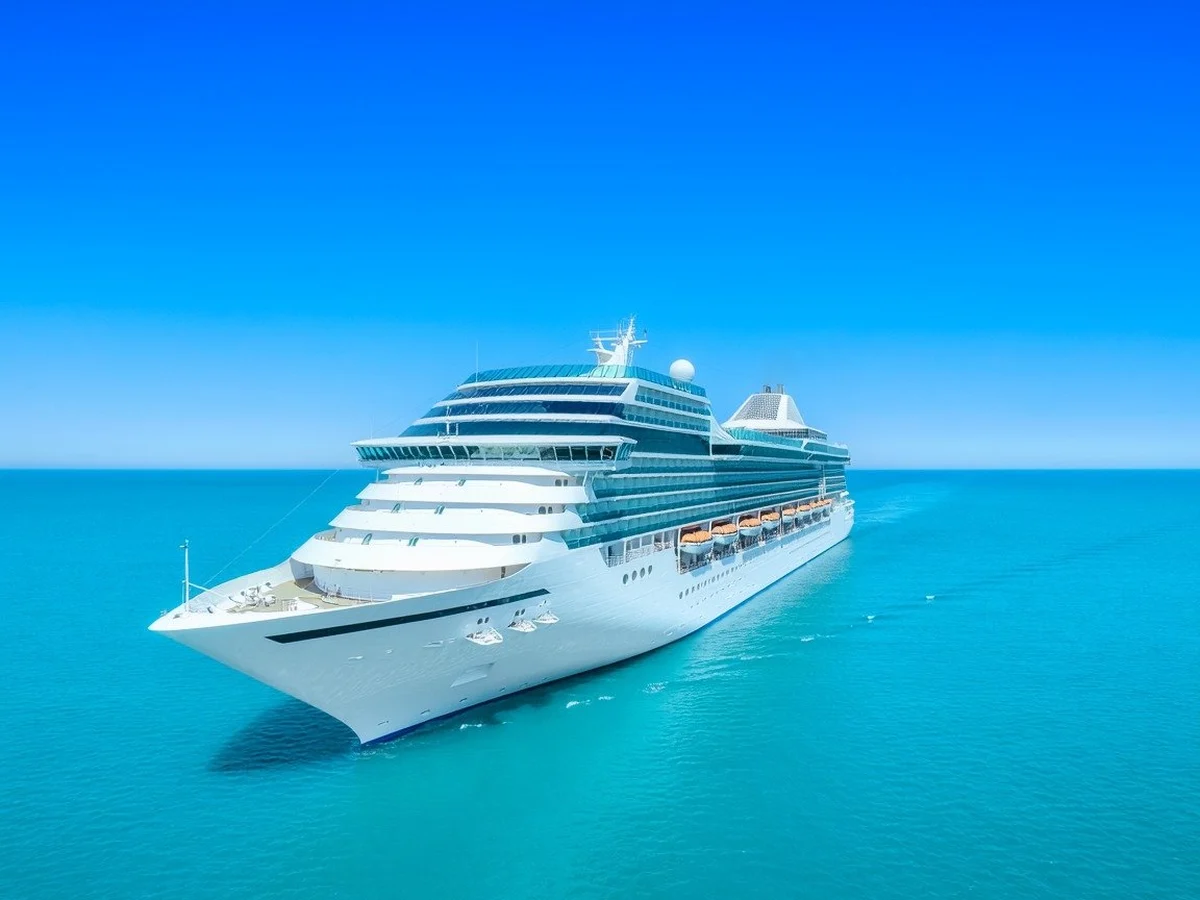
At the top of the ranking are Royal Caribbean's Icon-class ships. Icon of the Seas entered service in January 2024 as the world's largest cruise ship, at 248,663 gross tons and about 365 metres long. Its sister ships Star of the Seas, which followed in 2025, and Legend of the Seas, which debuted in 2026, are the same size. Each can carry up to around 7,600 passengers at full capacity, plus a crew of more than 2,000.
What is on board
The Icon-class ships are designed as floating resorts. They include the largest water park at sea, several swimming pools, an ice-skating rink, theatres, a central park with real plants, rock-climbing walls and around 40 places to eat and drink. Cabins range from small interior rooms to multi-level suites. The ships are divided into themed neighbourhoods so passengers can find quieter or busier areas depending on their mood.
The Oasis class
Before the Icon class, the Oasis-class ships held the record. Starting with Oasis of the Seas in 2009, Royal Caribbean built a series of ever-larger sister ships, including Harmony of the Seas, Symphony of the Seas, Wonder of the Seas and Utopia of the Seas, which entered service in 2024. These ships are around 225,000 to 237,000 gross tons and helped define the modern idea of a mega cruise ship.
Other giants
Other cruise lines have also built very large ships. MSC Cruises, Norwegian Cruise Line, Carnival and others operate vessels of 150,000 to more than 200,000 gross tons. MSC has announced plans for new classes of ships that could become the largest in the world later this decade. Meanwhile, many travellers prefer smaller ships that can visit ports and narrow waterways that the giants cannot reach.
Powering a floating city
A ship carrying more than 9,000 people including crew needs enormous amounts of energy for propulsion, air conditioning, lighting, kitchens and water production. The Icon-class ships run on liquefied natural gas, which produces less sulphur and particulate pollution than traditional marine fuels. They also use fuel cells for some onboard power and advanced systems to treat wastewater and recycle waste. Critics argue that cruise ships still have a significant carbon footprint.
Cruising in the Gulf
The UAE has become a popular cruise destination, especially in the cooler months from roughly October to April. Dubai's Mina Rashid and Abu Dhabi's Zayed Port have modern cruise terminals capable of handling some of the largest ships, and itineraries often combine the UAE with Oman, Qatar and Bahrain. Sir Bani Yas Island in Abu Dhabi has a dedicated cruise beach where passengers can enjoy nature and wildlife experiences.
Safety at sea
Large cruise ships must meet strict international safety rules set by the International Maritime Organization, including requirements for lifeboats, fire protection, stability and emergency training. Every passenger must attend a safety briefing, often called a muster drill, at the start of each voyage. Ships carry medical centres with doctors and nurses, and their bridges use advanced navigation systems to manage these massive vessels in crowded ports and narrow channels.
Building a giant
Building a mega cruise ship takes several years. Most of the largest ships are built in a few specialist shipyards, such as Meyer Turku in Finland and Chantiers de l'Atlantique in France. Huge prefabricated blocks, some weighing hundreds of tonnes, are assembled in dry docks, then fitted out with cabins, kitchens and entertainment areas. Sea trials test engines, stability and safety systems before delivery.
Bigger every decade
In 1999, the largest cruise ships were around 100,000 gross tons. Today the biggest are roughly two and a half times that size. Whether ships will keep growing depends on demand, port facilities, environmental rules and the limits of shipyards. For now, the largest cruise ships remain some of the most remarkable feats of engineering afloat, carrying the population of a small town across the ocean in comfort.
Sources & further reading
- Royal Caribbean · Icon of the Seas ↗
- Wikipedia · List of largest cruise ships ↗
- Maritime Executive · Legend of the Seas delivery ↗
Gross tonnage and capacities are as reported; rankings change as new ships enter service. Photograph: original AI-generated illustration (Adobe Firefly). Reference organisations do not endorse this website.