A scale born in a brewery laboratory
The pH scale was introduced in 1909 by the Danish chemist Søren Sørensen, who was working at the Carlsberg Laboratory in Copenhagen on how acidity affects proteins and enzymes. He needed a convenient way to express hydrogen-ion concentrations, which span an enormous range. His solution was to use a logarithm, turning numbers like one ten-millionth into a simple value of 7. The ‘p’ is often said to stand for ‘power’, though Sørensen did not settle the question clearly. Today pH is one of the most widely measured quantities in science, used everywhere from hospitals and food factories to farms, swimming pools and ocean research ships.
What acids and bases do
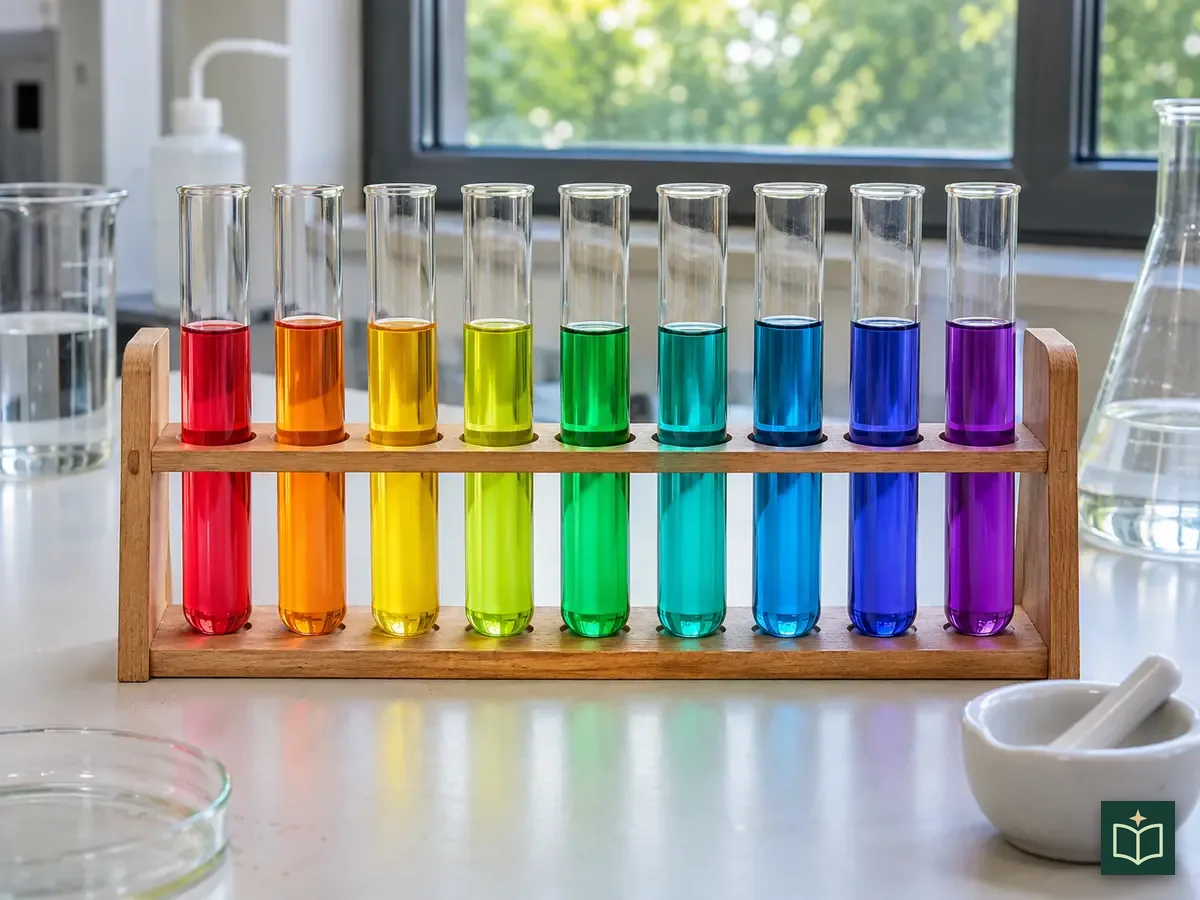
In water, a small fraction of molecules split into hydrogen ions, more precisely hydronium ions, and hydroxide ions. In pure water at 25°C these are balanced, giving a pH of 7. An acid adds hydrogen ions. Hydrochloric acid, for example, releases nearly all of its hydrogen into solution, which makes it a strong acid; vinegar’s acetic acid releases only a small share, which makes it weak. A base, or alkali, does the opposite, either absorbing hydrogen ions or adding hydroxide. When acids and bases meet, they neutralise each other, forming water and a salt. Indicators such as litmus or red cabbage juice change colour depending on pH.
Why the scale is logarithmic
The most important and most misunderstood feature of pH is that each whole number represents a tenfold change. A solution at pH 4 has ten times the hydrogen-ion concentration of one at pH 5, and a hundred times that of one at pH 6. Lemon juice, around pH 2, is roughly 100,000 times more acidic than pure water. Stomach acid typically sits between about pH 1.5 and 3.5. Household bleach and oven cleaners lie at the alkaline end, around pH 12 to 13, and can be as damaging to skin and eyes as strong acids. Mixing household chemicals can release dangerous gases and should be avoided.
pH inside the body
The human body controls pH tightly. Blood is kept between about 7.35 and 7.45 by chemical buffers, the lungs and the kidneys. Breathing faster removes carbon dioxide, which forms carbonic acid in blood, while the kidneys excrete acid or retain bicarbonate. Different parts of the body run at very different values: the stomach is strongly acidic to break down food and kill microbes, while the small intestine is near neutral. A common myth claims that particular ‘alkaline diets’ or alkaline water can change blood pH and prevent disease. Food can change urine pH, but the body’s regulation keeps blood pH stable, and doctors should be consulted about any concern.
Soils, pools and water supplies
pH matters in everyday management of water and land. Swimming pools are usually kept at about pH 7.2 to 7.8, because chlorine disinfects best in that range and the water is comfortable for eyes and skin. Drinking water is generally treated to be close to neutral; very acidic water can corrode pipes. In agriculture, soil pH controls which nutrients plants can absorb. Many soils in the UAE and wider Arabian Peninsula are alkaline and rich in calcium carbonate, which can lock up nutrients such as iron, so farmers and landscapers may add organic matter or choose tolerant plants. Hydroponic farms in the Gulf monitor pH continually.
A shifting ocean
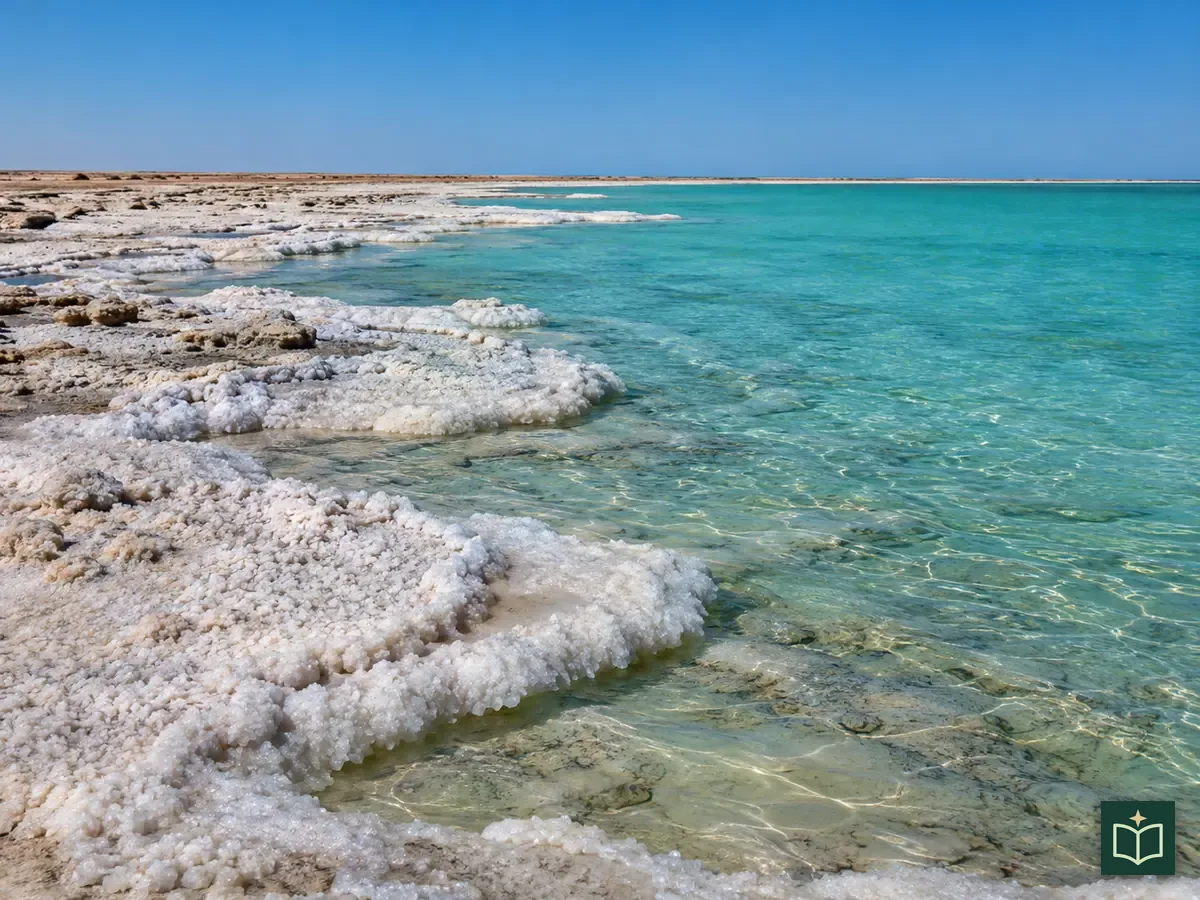
The oceans are slightly alkaline, with surface seawater averaging about pH 8.1. Since the start of the industrial era, they have absorbed a large share of the carbon dioxide released by burning fossil fuels. Dissolved carbon dioxide forms carbonic acid, and surface ocean pH has fallen by about 0.1 units. Because the scale is logarithmic, that apparently tiny change represents an increase in hydrogen-ion concentration of roughly 30 per cent. The process, called ocean acidification, makes it harder for corals, shellfish and some plankton to build calcium carbonate shells and skeletons. The ocean is not becoming acidic in absolute terms; it is becoming less alkaline, with real biological consequences.
Sources & further reading
Figures are rounded and widely published; check the linked organisations for the latest editions. These organisations do not endorse this website.