A globalised Bronze Age
In the thirteenth century BC, the eastern Mediterranean and Near East formed a connected world. Egypt, the Hittite empire in Anatolia, Assyria and Babylonia in Mesopotamia, Mycenaean kingdoms in Greece, the island of Cyprus and city-states such as Ugarit on the Syrian coast traded and corresponded with one another. Kings exchanged letters, gifts and marriage alliances. Bronze, essential for tools and weapons, required copper and tin, which came from different places: copper largely from Cyprus, tin from much further away, possibly as far as Central Asia. Keeping bronze flowing depended on long and vulnerable supply chains linking the whole region together.
A ship full of evidence
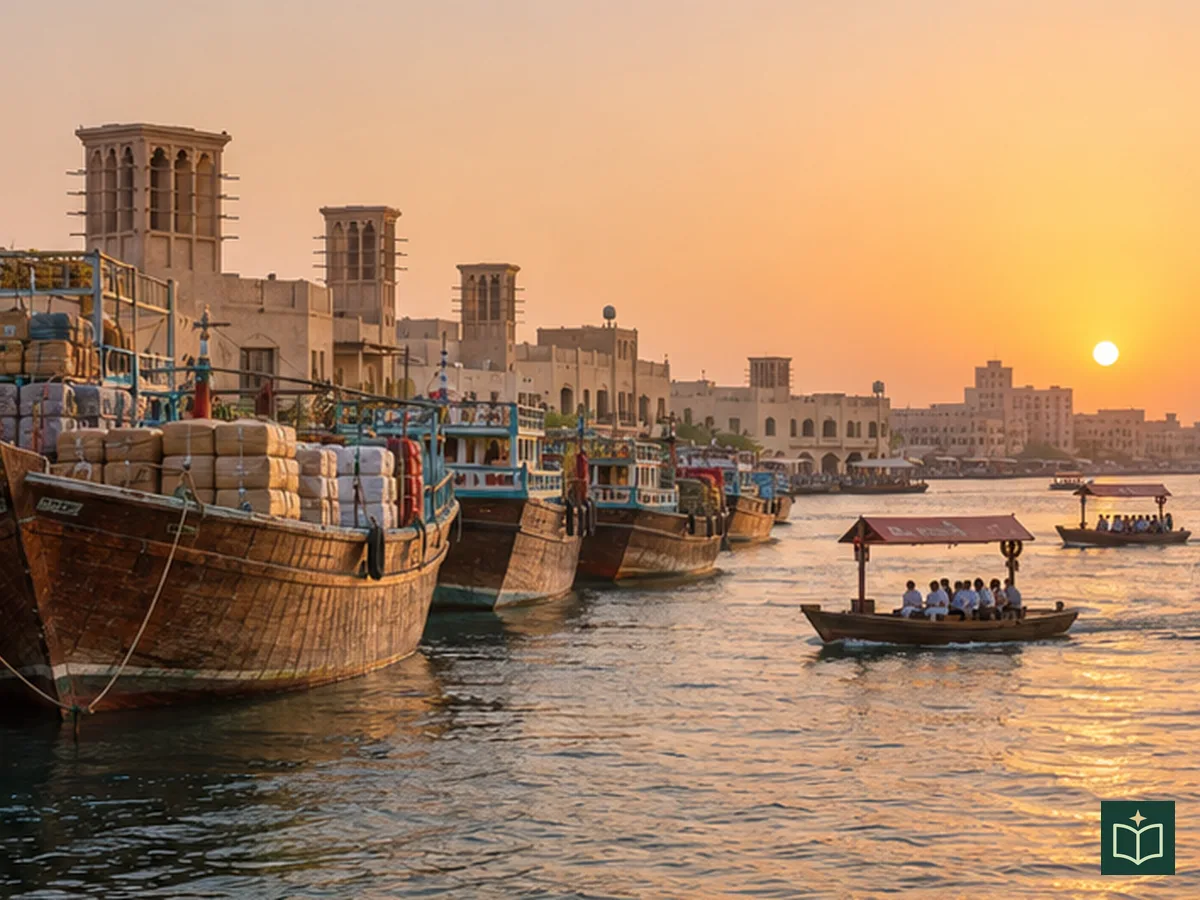
The Uluburun shipwreck, found off southern Turkey and dated to around 1300 BC, shows this world in miniature. It carried about ten tonnes of copper ingots and about a tonne of tin, roughly the proportions needed to make bronze. Its cargo also included glass ingots, ebony, ivory, amber, jewellery and pottery from several regions, and items from Egypt, the Levant, Cyprus and the Aegean. Such voyages linked palace economies that depended on specialised trade. In good times this brought wealth. But it also meant that trouble in one place, such as a blocked route or a fallen trading partner, could spread quickly to others.
The collapse
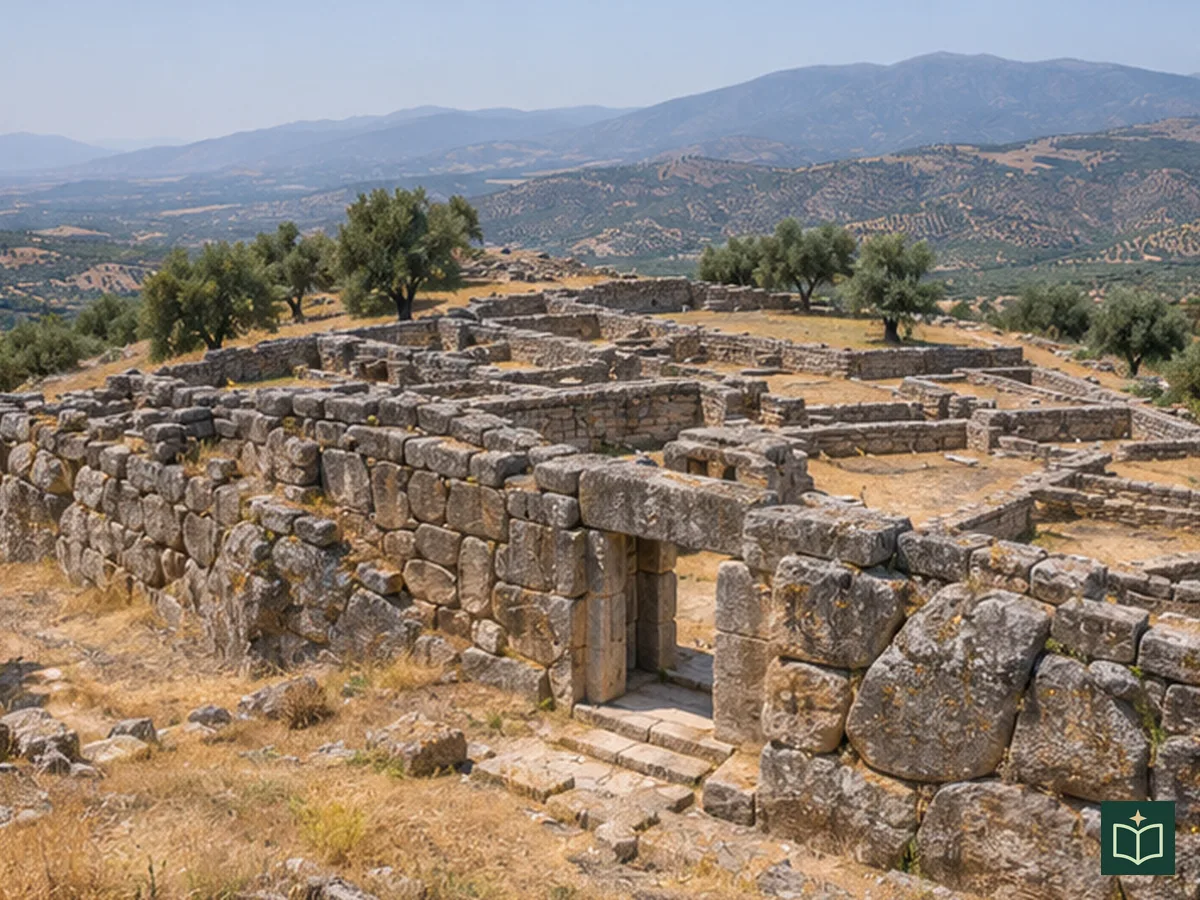
Within a few generations around 1200 BC, much of this world fell apart. The Hittite capital Hattusa was abandoned and the empire disintegrated. Ugarit was destroyed around 1185 BC and never rebuilt; tablets from its final years include appeals for help against enemy ships. Mycenaean palaces in Greece, such as Pylos and Mycenae, were destroyed or abandoned, and the Linear B script used for palace records disappeared. Cities in Cyprus and the Levant suffered destruction. Egypt survived, but was weakened. Assyria endured in reduced form. The period that followed in Greece is often called a dark age, because writing vanished there for about four centuries.
The Sea Peoples
Egyptian records describe invaders known as the Sea Peoples. Inscriptions and reliefs at Medinet Habu, the temple of Ramesses III, record a great battle on land and sea in the eighth year of his reign, around 1177 BC, against a coalition of groups who had already devastated lands to the north. The reliefs show warriors with distinctive helmets, ships and ox-carts carrying families, suggesting migration as much as raiding. Some of these groups, such as the Peleset, probably the Philistines, later settled in the southern Levant. Historians now see the Sea Peoples as both a cause and a symptom of the wider crisis.
Many causes at once
No single cause explains the collapse. Pollen preserved in lake sediments from the Sea of Galilee and the Dead Sea, and other climate records from the region, point to prolonged drought, which would have caused crop failures and famine. Letters mention grain shipments to the Hittites during shortages. A series of earthquakes may have damaged several cities. Internal unrest, migrations and raids added pressure, while disruption of trade cut access to metals. Many historians, following scholars such as Eric Cline, now argue that these factors interacted: a tightly connected system, facing multiple shocks at once, could not absorb them, and failures cascaded from one kingdom to the next.
What came after
Collapse was also a beginning. In the following centuries, iron working spread across the region, partly because iron ore was widely available and did not depend on long-distance tin trade. Smaller states emerged, including the Phoenician cities on the Levantine coast, Israel and the Aramaean kingdoms, and the Neo-Assyrian Empire later rose to dominance. The Phoenicians developed a simple alphabet that spread widely. In Greece, a new world of city-states emerged by the eighth century BC. The Late Bronze Age collapse is often cited today as a lesson in how interdependent systems can be resilient in normal times but fragile under compounding stress.
Sources & further reading
Figures are rounded and widely published; check the linked organisations for the latest editions. These organisations do not endorse this website.