From the mainland to an island
The name Hormuz first belonged to a port on the Iranian mainland, near today’s town of Minab, which traded with India and Arabia from at least the tenth century. The Venetian traveller Marco Polo passed through it in the late thirteenth century and described ships, merchants and trade in horses, pearls and spices. Around 1300, under pressure from raids by Turkic and Mongol groups from the interior, the ruler moved his court to Jarun, a small island a few kilometres offshore in the Strait of Hormuz. The island took the old name, and from there the kingdom grew into one of the great trading hubs of the medieval world.
Rich without resources
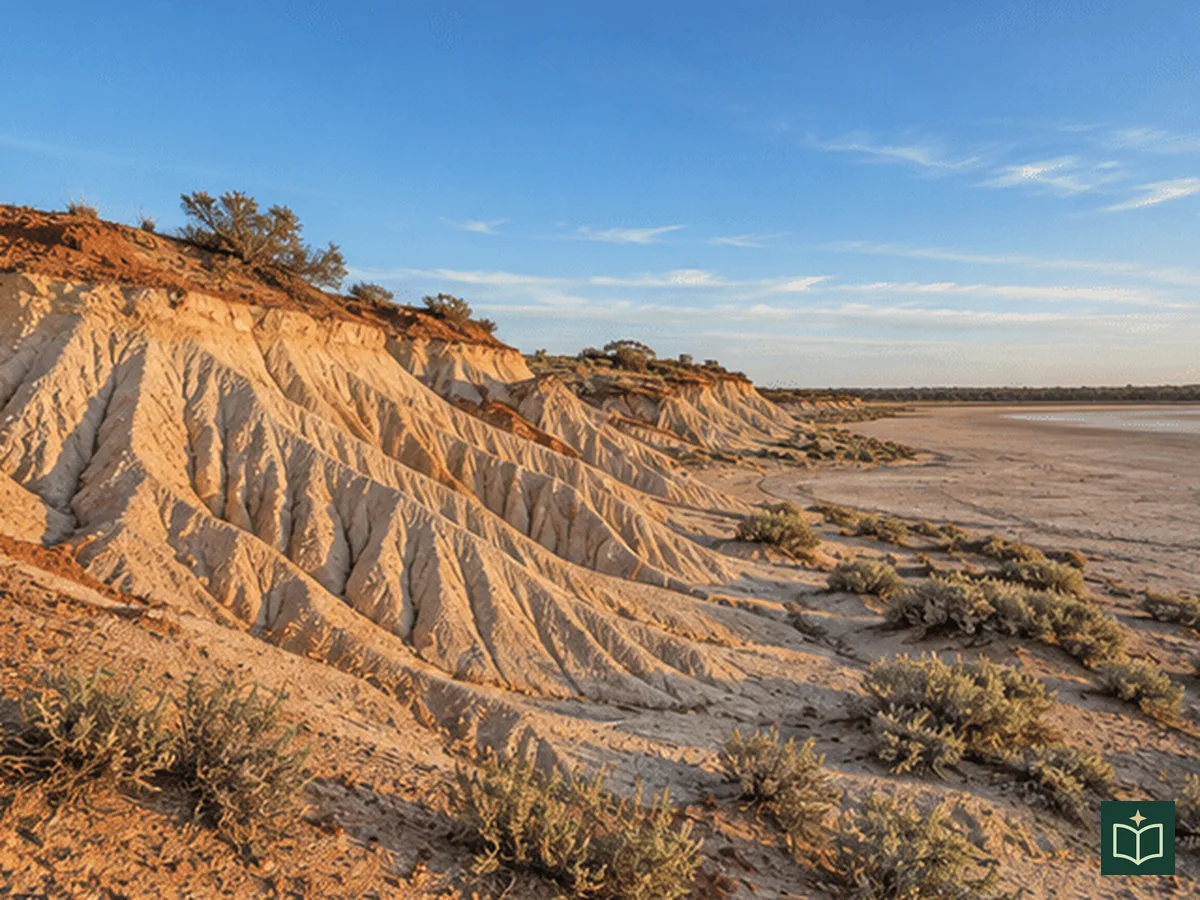
The island of Hormuz, about 40 square kilometres, is a barren place of salt domes and colourful mineral-rich soils, with almost no fresh water or farmland. Drinking water was collected in cisterns or shipped in from the mainland and nearby Qeshm island, and food came by boat. What Hormuz had was position. It sat at the narrow entrance to the Gulf, where routes from India and East Africa met routes from Basra, Persia and Arabia. The city’s wealth came from serving as an entrepôt, a port where goods were landed, traded and reshipped, and from charging customs duties on the merchants who passed through.
Horses, pearls and porcelain
Among the most profitable goods were horses from Arabia and Persia, shipped to India, where rulers needed them for cavalry and could not breed them easily in the climate. Pearls from the Gulf’s oyster beds, especially around Bahrain, were another major trade. Spices, pepper, Indian cotton textiles, Chinese porcelain, silk, dates, indigo and metals all passed through the harbour. The Moroccan traveller Ibn Battuta visited in the 1330s and described a large, attractive city with busy markets. The Chinese admiral Zheng He’s fleets also called at Hormuz in the early fifteenth century, part of a wider web of Indian Ocean contacts.
A kingdom on both shores
At its height, Hormuz controlled more than one island. Its rulers exercised authority, at different times, over ports on the Persian coast and on the Arabian side, including Bahrain, Qatif, Julfar near today’s Ras Al Khaimah, and parts of the Omani coast such as Sohar and Qalhat. Control varied, often taking the form of tribute rather than direct rule, but it gave Hormuz influence over much of the Gulf’s commerce. The kingdom’s population was mixed, including Persians, Arabs, Indians and others, with merchants from many regions living side by side. Its rulers often paid tribute to larger powers on the mainland while keeping control of their trade.
The Portuguese arrive
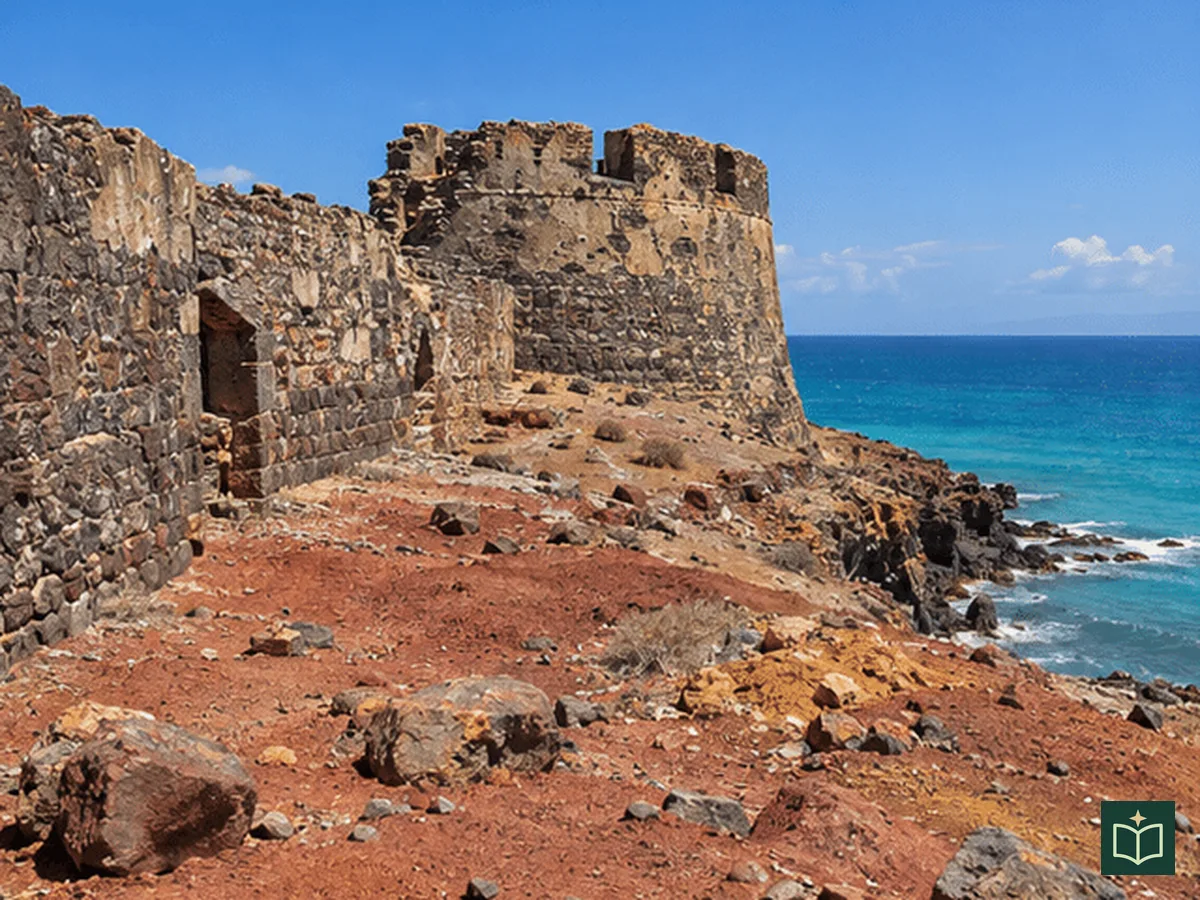
After Vasco da Gama reached India in 1498, Portugal set out to control Indian Ocean trade by seizing key ports. In 1507 the Portuguese commander Afonso de Albuquerque attacked Hormuz and forced its young king to accept Portuguese overlordship, though his attempt to build a fort was cut short. He returned in 1515 and took firm control, building a fortress whose ruins still stand on the island. The kings of Hormuz remained on the throne but as Portuguese vassals, while Portugal took a large share of the customs revenue and used the island to control shipping and issue passes to merchants entering the Gulf.
Fall in 1622
Portuguese control lasted about a century. In 1622 the Safavid ruler of Persia, Shah Abbas I, sent an army to take the island, and the English East India Company, which wanted trade privileges in Persia, supplied ships to blockade and bombard it. After a siege of several weeks, the Portuguese garrison surrendered. Persia moved trade to the mainland port of Gombroon, renamed Bandar Abbas after the shah, and the island city declined quickly. Today Hormuz island is a small, quiet place known for its red soils and the ruined fortress. The strait that bears its name remains one of the most important shipping routes in the world.
Sources & further reading
Figures are rounded and widely published; check the linked organisations for the latest editions. These organisations do not endorse this website.