The UN's principal court
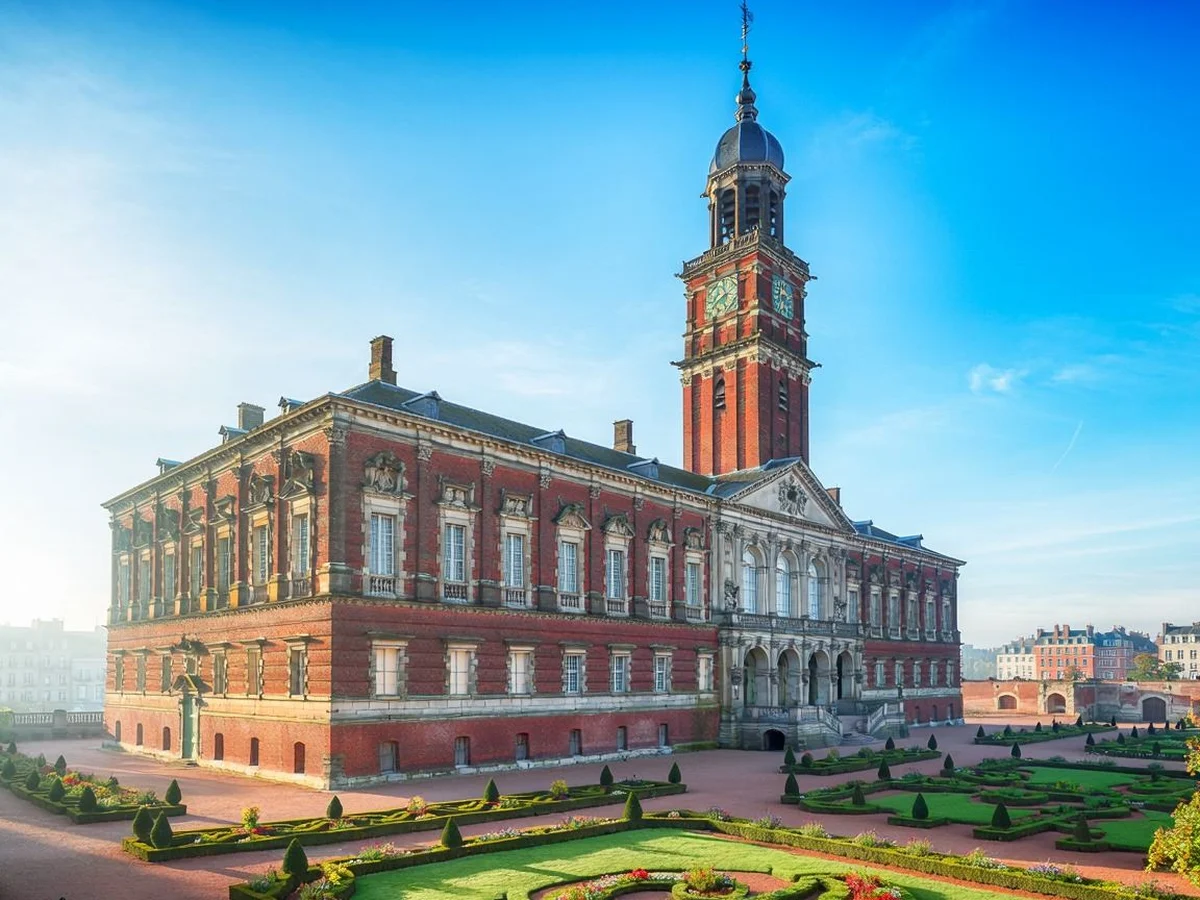
The International Court of Justice, often called the ICJ or the World Court, is one of the six principal organs of the United Nations. It was established by the UN Charter in 1945 and began work in 1946, taking over from an earlier court created under the League of Nations. It sits in the Peace Palace in The Hague, in the Netherlands, making it the only principal UN organ not based in New York. Its working languages are English and French.
Who the judges are
The court has 15 judges, each elected for a nine-year term. Elections take place in both the UN General Assembly and the Security Council, and a candidate needs a majority in both. No two judges may come from the same country, and the court as a whole is meant to represent the world's main legal systems and regions. Judges act independently, not as representatives of their governments, and one third of the bench is elected every three years.
Disputes between countries
The court's main work is settling legal disputes between states, known as contentious cases. Only countries can be parties; individuals, companies and organisations cannot bring cases. Topics have included land and maritime borders, the use of shared rivers, fishing rights, diplomatic relations and the interpretation of treaties. A crucial principle is consent: the court can only hear a case if the states involved have accepted its jurisdiction.
How countries accept the court
States can accept the court's jurisdiction in several ways. They may agree to bring a specific dispute together. Many treaties contain a clause saying disputes about the treaty can be taken to the court. Around 70 countries have also made declarations accepting its jurisdiction in advance for certain kinds of disputes. Judgments are final and binding on the parties, though the court has no police force; compliance relies on states and, ultimately, the UN Security Council.
Advisory opinions
The court also gives advisory opinions on legal questions asked by the UN General Assembly, the Security Council and certain UN agencies. These opinions are not binding in the same way as judgments, but they carry significant legal and moral weight. Advisory opinions have addressed subjects such as the legality of nuclear weapons and the obligations of states regarding climate change, which the court addressed in an opinion delivered in July 2025.
Not the same as the ICC
The ICJ is often confused with the International Criminal Court, which is also based in The Hague. The difference is important. The ICJ handles disputes between countries. The International Criminal Court, created by a separate treaty in 2002, prosecutes individuals accused of the most serious crimes, such as genocide and war crimes. The ICC is not part of the United Nations, and not all countries are members.
How a case unfolds
A contentious case usually begins when one state files an application, or when two states jointly notify the court of an agreement to bring a dispute. Each side then submits detailed written arguments, often over several years. Public hearings follow, where lawyers present oral arguments in the Great Hall of Justice. The judges then deliberate in private and announce their judgment at a public sitting, explaining their reasoning in writing.
Judges ad hoc
If a state involved in a case does not have a judge of its nationality on the bench, it may choose a judge ad hoc to sit for that case only. This allows each party to have a judge familiar with its perspective. Judges ad hoc must also act impartially. The court can also form smaller chambers to hear particular cases if the parties request it.
Famous types of cases
Over the decades, the court has decided many border disputes, including cases about land frontiers in Africa and Latin America and maritime boundaries in the North Sea, the Black Sea and the Caribbean. It has ruled on the interpretation of treaties, the treatment of diplomats and the rights of states over natural resources. Many of these decisions have been accepted and put into practice.
Why it matters
The International Court of Justice offers countries a peaceful, legal way to resolve disagreements, as an alternative to conflict. Many of its judgments, especially on borders, have been implemented and have helped settle long-running tensions. Its decisions also help develop international law that other courts and governments draw on. For students of world affairs, it is a key example of how international institutions are designed to work.
Sources & further reading
- International Court of Justice ↗
- United Nations · Main bodies ↗
- Wikipedia · International Court of Justice ↗
General information as published by the court and the United Nations. Photograph: original AI-generated illustration (Adobe Firefly). Reference organisations do not endorse this website.