From boom to crash
The 1920s were a boom decade in the United States. Cars, radios and electricity spread, and share prices on the New York Stock Exchange rose rapidly, often bought with borrowed money. In 1928 and 1929 the Federal Reserve raised interest rates to cool speculation. Industrial production began to slip in the summer of 1929. Then confidence broke. On Black Thursday, 24 October, prices plunged, and on Black Tuesday, 29 October, panic selling resumed. The Dow Jones Industrial Average eventually fell by about 89 per cent from its 1929 peak to its low in July 1932. Yet the crash alone does not explain the depth of what followed. Most Americans did not own shares.
When banks failed
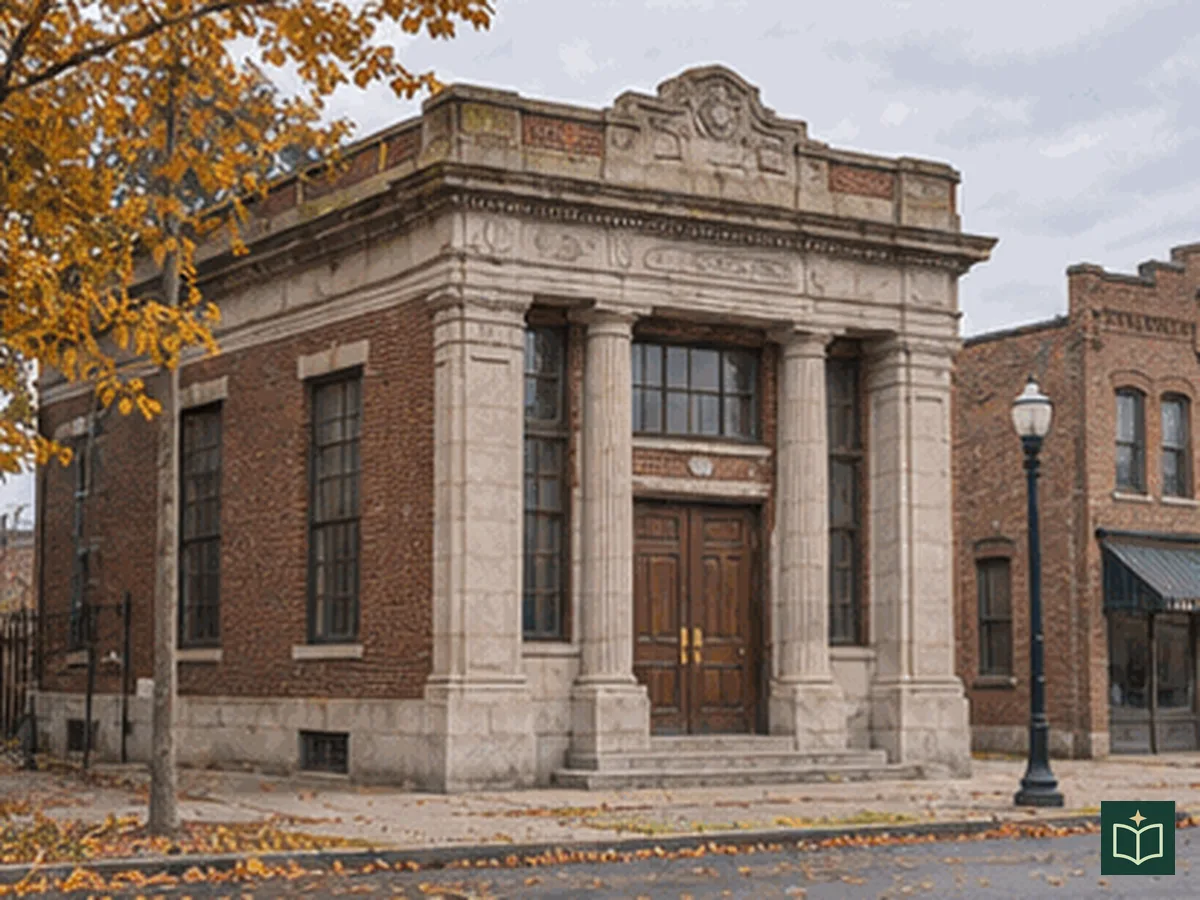
The decisive damage came through the banking system. The United States had thousands of small, local banks with no deposit insurance. When farmers and businesses could not repay loans, banks failed, and rumours of trouble caused depositors to rush to withdraw cash, bringing down even sound banks. Waves of panic hit in 1930, 1931 and early 1933. Around 9,000 banks failed between 1930 and 1933. Savings vanished, and surviving banks lent cautiously. The economist Milton Friedman and the historian Anna Schwartz later argued that the Federal Reserve made matters worse by allowing the money supply to fall by about a third instead of acting as lender of last resort.
Falling prices and output
As money and credit shrank, prices fell. Deflation sounds helpful, but it raised the real burden of debts and encouraged people to delay spending, since goods would be cheaper later. Businesses cut wages and jobs, which reduced demand further. US real output fell by roughly a quarter between 1929 and 1933. Unemployment reached about 25 per cent. Farm prices collapsed, and in the mid-1930s drought and dust storms on the Great Plains, the Dust Bowl, drove many families from their land. In cities, breadlines and shanty towns, nicknamed 'Hoovervilles' after President Herbert Hoover, became symbols of the crisis. Germany's unemployment rate was similar, with grave political consequences.
How it went global
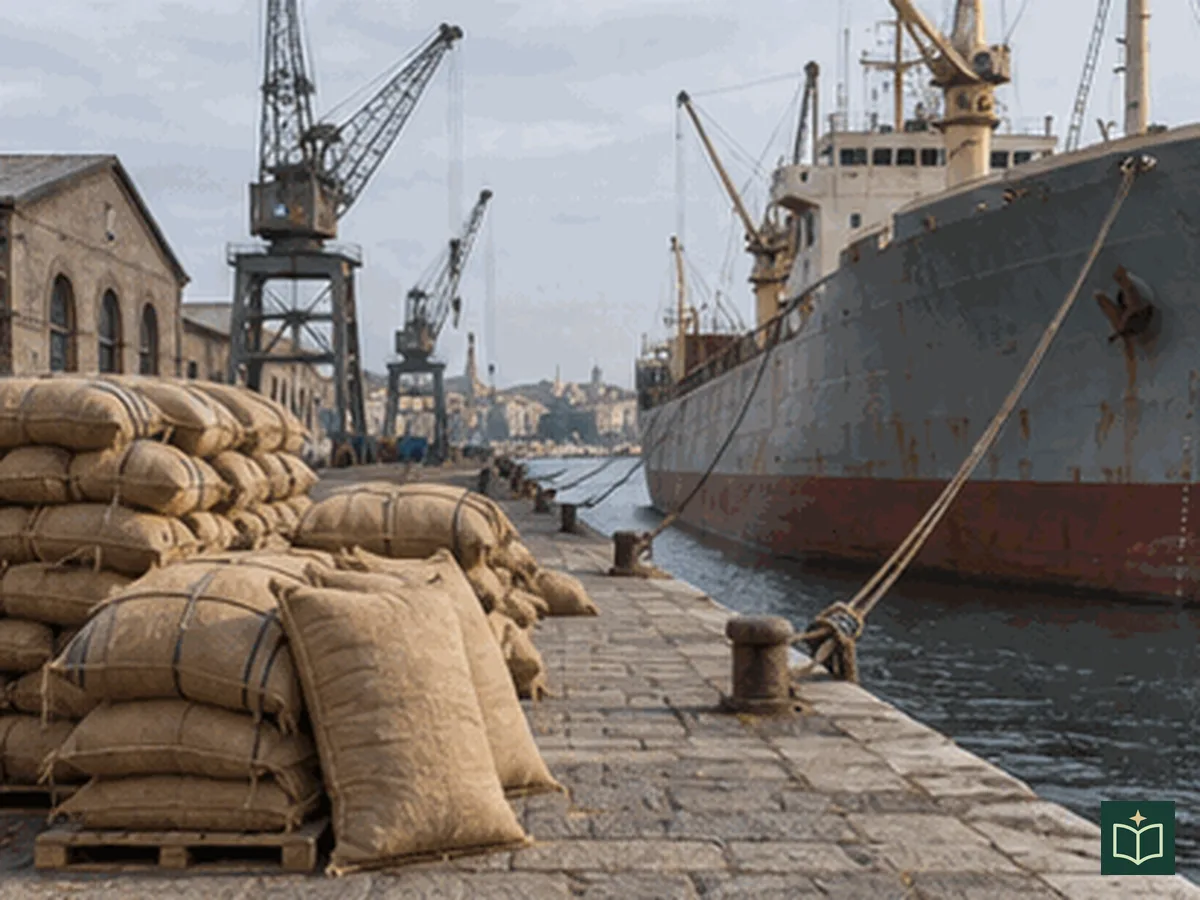
The depression spread through trade and money. In 1930 the United States passed the Smoot-Hawley Tariff, raising duties on thousands of imports. Other countries retaliated, and the value of world trade fell by roughly two-thirds between 1929 and 1933. More important was the gold standard, which tied currencies to fixed amounts of gold. To defend their gold, central banks raised interest rates even as economies shrank. American lending to Europe dried up, and in 1931 the failure of Austria's largest bank, Creditanstalt, set off a financial crisis across central Europe. Countries that produced raw materials, from Latin America to the Gulf's pearl trade, saw demand and prices for their exports slump.
The road to recovery
Recovery began, country by country, after governments abandoned the gold standard and let money expand. Britain left gold in 1931 and recovered earlier than France, which held on until 1936. Studies have found this pattern repeatedly: the sooner a country left gold, the sooner it recovered. In the United States, Franklin Roosevelt took office in March 1933, closed the banks for a 'bank holiday', created federal deposit insurance and took the dollar off its gold link. His New Deal launched public works, farm support, financial regulation and, in 1935, Social Security. Output grew strongly after 1933, but unemployment stayed high, and full employment returned only with rearmament for the Second World War.
Lessons economists drew
The Great Depression shaped modern economics and policy. John Maynard Keynes argued that governments should support demand when private spending collapses, an idea central to fiscal policy since. Monetarists stressed the duty of central banks to prevent the money supply from collapsing and banks from failing in panics. Deposit insurance, bank supervision and international institutions such as the IMF, created in 1944, were partly responses. When the global financial crisis struck in 2008, policymakers, including Federal Reserve chair Ben Bernanke, a scholar of the Depression, explicitly tried to avoid the mistakes of the early 1930s. This explainer is educational and not financial advice.
Sources & further reading
Figures are rounded and widely published; check the linked organisations for the latest editions. These organisations do not endorse this website.