What the cold chain is
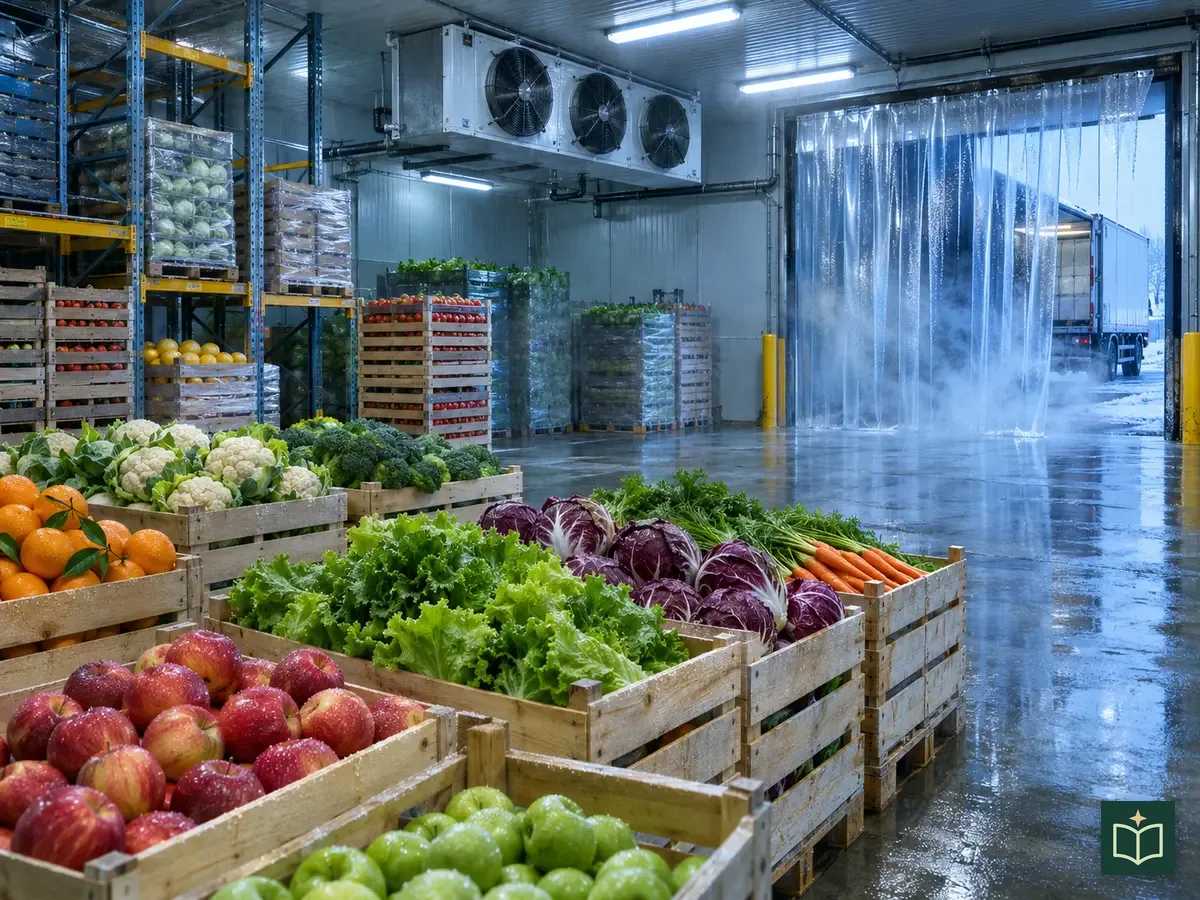
A cold chain is a sequence of temperature-controlled steps that keeps perishable food safe and fresh from where it is produced to where it is eaten. Cold slows the growth of bacteria and the chemical changes that make food spoil, but it does not stop them entirely. That means time and temperature work together: a product that warms briefly may still be safe, while repeated or long breaks shorten its life or create risks. The chain includes pre-cooling at the farm, refrigerated packhouses, cold stores, refrigerated containers known as reefers, chilled lorries, supermarket display cases and, finally, the fridge in your home.
The temperature bands
Different foods need different conditions. Frozen goods such as meat, fish and ice cream are normally kept at or below minus 18°C. Chilled products, including dairy, fresh meat and ready meals, are generally held between 0 and 5°C. Many fruits and vegetables are more delicate: bananas suffer chilling injury below about 13°C, while leafy greens prefer temperatures just above freezing with high humidity. Some produce, such as apples, is stored for months in controlled atmospheres with reduced oxygen to slow ripening. Getting these details right is a science in itself, and shipping lines, importers and retailers specify exact settings for each cargo.
A Gulf example
Countries in the Gulf import much of their food, and summer temperatures often exceed 45°C, which makes the cold chain especially demanding. A container of chilled fruit might travel by sea in a reefer set to a precise temperature, plugged into the ship’s power supply. At the port it is connected to shore power, cleared by inspectors and trucked to a refrigerated warehouse. From there, smaller vehicles deliver to supermarkets, where loading bays are often enclosed to keep the heat out. Every handover is a risk point: a lorry door left open on a hot afternoon can raise the temperature of the load within minutes.
Monitoring and proof
Modern cold chains are monitored rather than trusted. Data loggers inside containers and lorries record temperatures every few minutes, and many transmit live readings over mobile networks so that operators can respond to a fault. Food safety systems, based on hazard analysis principles, require businesses to identify critical control points and keep records. If a reading falls outside the permitted range, the product may be inspected, re-graded or destroyed. Some packaging carries indicators that change colour after exposure to warmth. For pharmaceutical products such as vaccines, the rules are stricter still, but the same principles of continuous control and documented evidence apply.
Waste, energy and limits
The Food and Agriculture Organization estimates that a significant share of the world’s food is lost after harvest and before it reaches shops, much of it in regions where cold storage is scarce. Expanding cold chains could reduce those losses substantially, improving incomes for farmers and food security for consumers. Yet refrigeration consumes a great deal of electricity and relies on refrigerant gases, some of which are powerful greenhouse gases. Cold chains therefore sit at a crossroads of food security and climate policy. More efficient equipment, natural refrigerants and solar-powered cold rooms are among the solutions being tested in many developing countries.
Your part of the chain
The final link is the shopper. Putting chilled and frozen items in the trolley last, using insulated bags in hot weather and getting them into the fridge or freezer quickly all matter, particularly in summer heat. Domestic fridges should generally be kept at around 5°C or below and freezers at minus 18°C. Overfilling a fridge blocks airflow and creates warm spots. Food that has thawed should not normally be refrozen without cooking. These steps may feel minor, but the long, carefully managed journey of a product can be undone in the single hour it spends in a hot car boot on the way home.
Sources & further reading
Figures are rounded and widely published; check the linked organisations for the latest editions. These organisations do not endorse this website.