A metal that resists almost everything
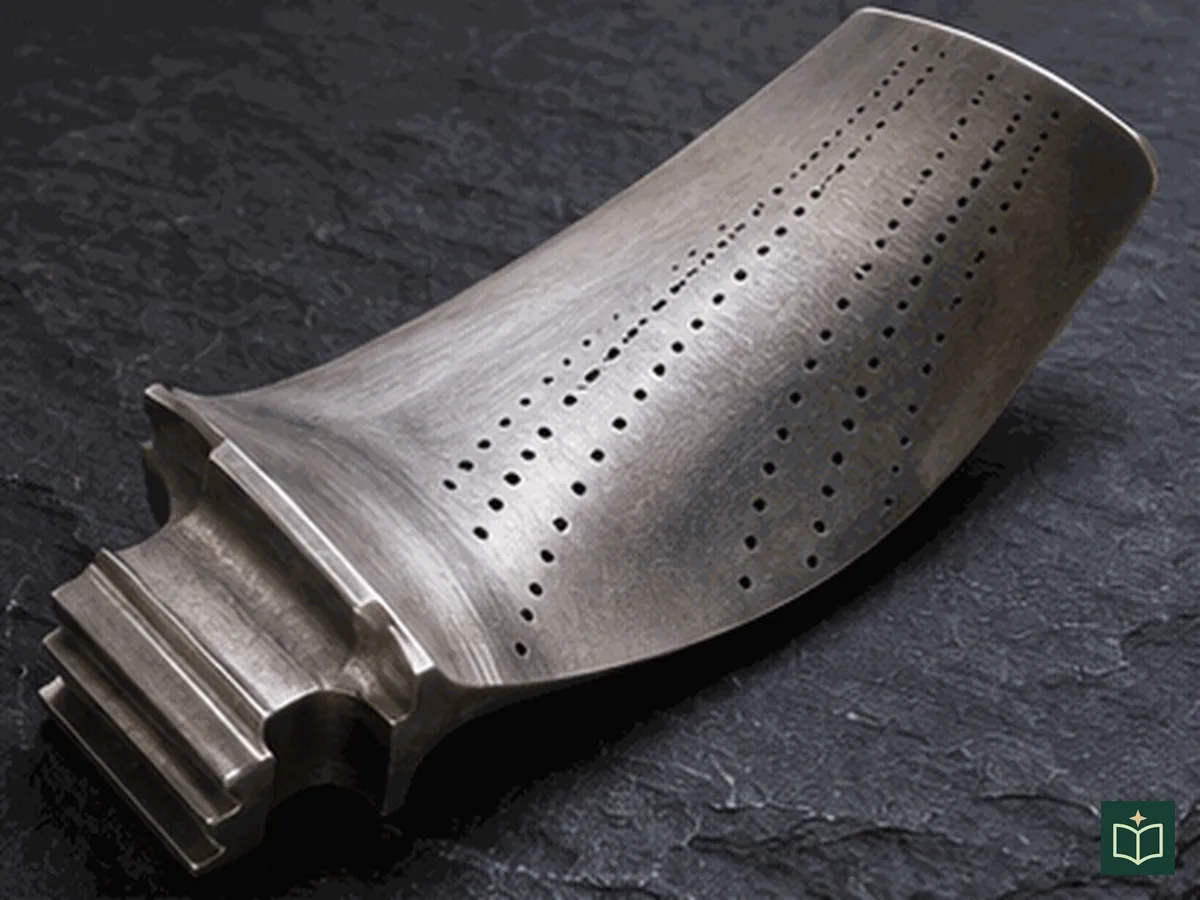
Tantalum is a dense, grey-blue metal, element 73, named after Tantalus of Greek myth because it does not soak up acid even when immersed in it. Its surface forms a tough oxide film that protects it from most chemicals at ordinary temperatures, and it melts at about 3,017 °C. The body tolerates it well, so it is used in surgical implants, bone screws and pacemaker parts. Tantalum also strengthens superalloys for jet engines and is sputtered into thin films inside microchips. Yet its single most important job, by value and by fame, is storing electric charge in the tiny capacitors found on almost every circuit board.
How a capacitor stores charge
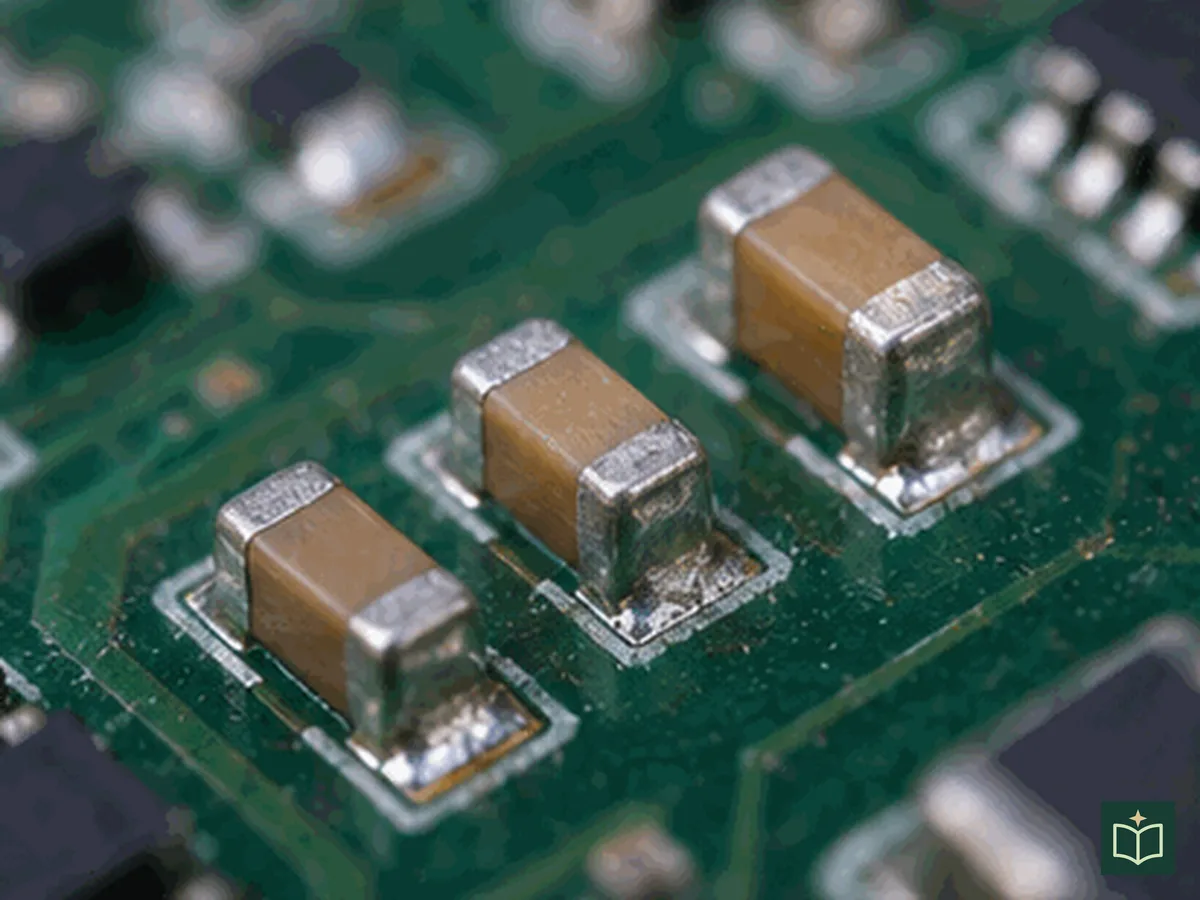
A capacitor is two conductors separated by an insulator, called a dielectric. Charge collects on the conductors, and the amount stored for each volt, the capacitance, rises with the area of the plates and with the dielectric’s ability to support an electric field, its permittivity. It falls as the dielectric gets thicker. A tantalum capacitor exploits all three factors. Its anode is a sponge of sintered tantalum powder with a huge internal surface. Its dielectric, tantalum pentoxide, is grown electrically on that surface only nanometres thick. And that oxide has a permittivity of about 27, roughly three times that of the aluminium oxide used in rival capacitors.
Doing the arithmetic
The basic formula for a flat capacitor multiplies the permittivity of free space, about 8.85 trillionths of a farad per metre, by the material’s relative permittivity and the area, then divides by the thickness. For one square centimetre of tantalum oxide 100 nanometres thick, that gives about 0.24 microfarads. The same area of aluminium oxide, permittivity about 9, gives roughly a third as much. The real trick is area. The pores inside a pellet the size of a grain of rice can expose many square centimetres of oxide, so a component a few millimetres long can hold hundreds of microfarads, steadily, across a wide range of temperatures.
Where the capacitors go
Tantalum capacitors are prized where space is tight and reliability matters. Phones, laptops, hearing aids and wearable devices use them to smooth power supplies. Cars use them in engine controls and safety systems, and they appear in aircraft electronics and military equipment. Implanted medical devices such as pacemakers and defibrillators depend on their long life and stable behaviour. Ceramic capacitors have taken over many roles as they too have shrunk, but tantalum remains common where high capacitance in a small, robust package is required. Electronics account for a large share of world tantalum demand, alongside alloys, chemicals and mill products such as sheet and wire.
The coltan connection
Much tantalum comes from coltan, short for columbite-tantalite, a dark ore containing both tantalum and niobium. It is often mined by hand from weathered rock and riverbeds, and Central Africa is a major source, with the Democratic Republic of the Congo and Rwanda leading recent US Geological Survey tallies. Brazil, Nigeria and Australia also produce tantalum. In eastern Congo during the wars that began in the late 1990s, armed groups controlled or taxed many coltan mines, using the revenue to fund fighting. A price spike around 2000, driven by booming electronics demand, drew global attention to the link between gadgets and violence, making coltan a symbol of conflict minerals.
Tracing the supply chain
The response was a set of due-diligence rules. The OECD published guidance in 2011 on responsible mineral supply chains from conflict-affected areas. Section 1502 of the US Dodd-Frank Act, passed in 2010, requires listed companies to report whether their tin, tantalum, tungsten and gold, the so-called 3TG, may come from Congo or its neighbours. The European Union’s Conflict Minerals Regulation took effect in 2021. Industry schemes tag bags of ore at the mine and audit smelters. Critics say tracing remains patchy and that some legitimate miners lost income when buyers simply avoided the region. Recycling tantalum from scrap electronics is a small but growing source.
Sources & further reading
Figures are rounded and widely published; check the linked organisations for the latest editions. These organisations do not endorse this website.