Why aviation is hard
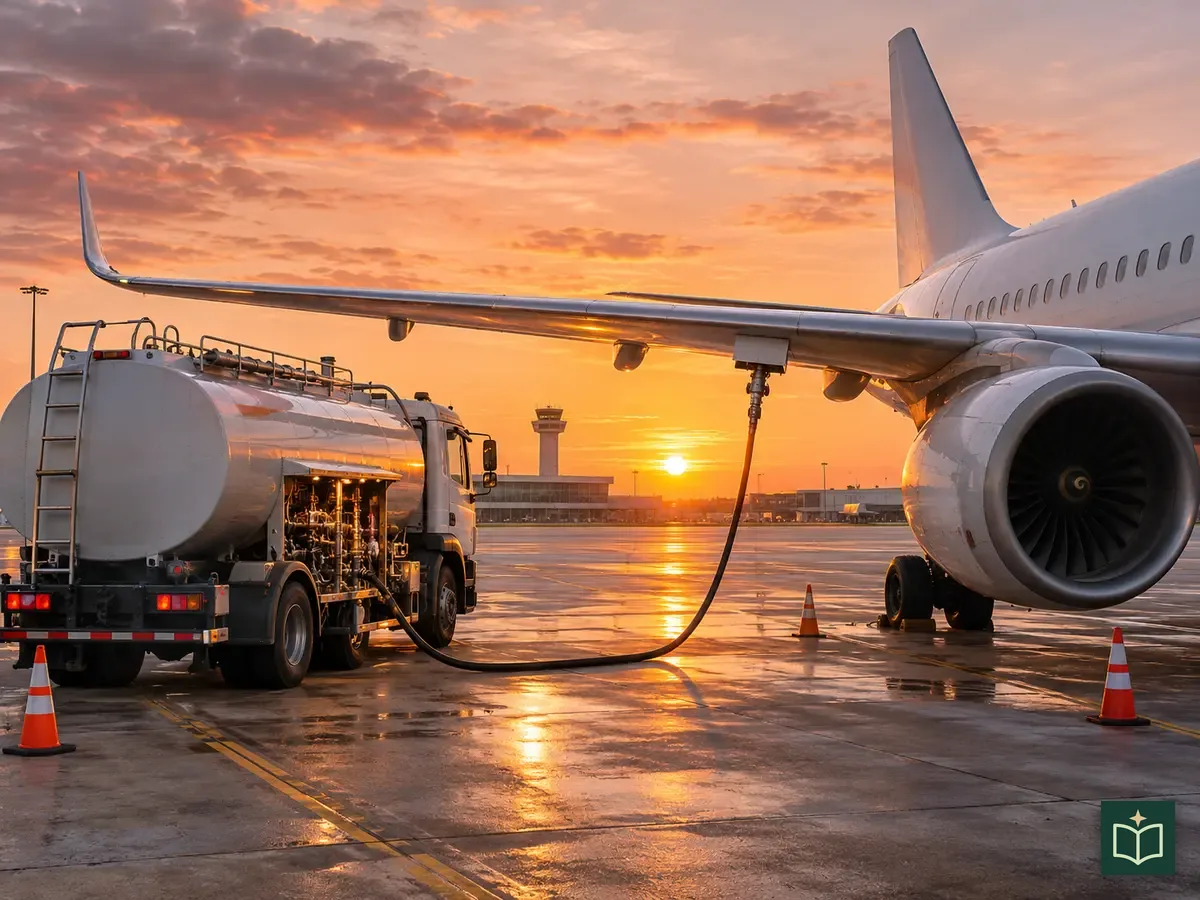
Aircraft need fuel that packs a lot of energy into little weight and volume, works at very low temperatures at cruising altitude, and meets demanding safety standards. Kerosene does all of this well. Batteries are far too heavy for long flights, and hydrogen would require new aircraft designs and airport infrastructure. Aviation accounts for roughly 2 to 3 per cent of global energy-related carbon dioxide emissions, and its non-carbon effects, such as contrails, add to its warming impact. Because aircraft are used for decades, most planes flying in 2050 will resemble today’s. That makes a drop-in liquid fuel, usable without modifying engines, especially attractive.
What makes it ‘sustainable’
Sustainable aviation fuel, or SAF, is jet fuel made from feedstocks other than crude oil. When burned, it releases about the same carbon dioxide as fossil kerosene, but the carbon came from recently living plants, waste or the air, rather than from underground. Its benefit is therefore measured over the full life cycle, from feedstock to combustion. Depending on the pathway, life-cycle reductions range from modest to around 80 per cent or more compared with fossil jet fuel. The term ‘sustainable’ is defined by certification schemes, including the International Civil Aviation Organization’s CORSIA criteria, which consider emissions, land use and other environmental factors.
Main production routes
The most established route today is HEFA, which processes used cooking oil, animal fats and vegetable oils with hydrogen, much like renewable diesel. It is relatively cheap but limited by the supply of suitable fats. Other routes convert ethanol or other alcohols into jet fuel, or gasify wood and agricultural residues and synthesise liquid fuels using the Fischer–Tropsch process. A newer route, often called e-fuel or power-to-liquid, combines hydrogen from electrolysis with captured carbon dioxide. It could in principle scale without farmland but requires large amounts of low-carbon electricity. Standards body ASTM International certifies each pathway before airlines can use it.
Small volumes, high costs
Despite rapid growth in announcements, SAF made up well under 1 per cent of global jet fuel use in the mid-2020s. It typically costs two to several times as much as fossil kerosene, and fuel is already one of airlines’ largest costs. Governments are therefore using mandates and incentives. The European Union’s ReFuelEU rules require a rising minimum share of SAF at EU airports, starting at 2 per cent in 2025, and the United Kingdom has a similar mandate. The United States offers tax credits. Aviation’s international body, ICAO, has set a goal of reducing the carbon intensity of international aviation fuel by 5 per cent by 2030.
A Gulf connection
The Gulf’s major hub airports and long-haul airlines make aviation fuel a strategic issue for the region. The UAE announced a national target for SAF, and Gulf carriers have flown demonstration flights using blended fuel and signed supply agreements. The region has some natural advantages: refining expertise, port infrastructure, and potentially low-cost solar power for producing hydrogen for e-fuels. Feedstock is a constraint, since the Gulf has limited farmland and modest volumes of waste oils, so imported feedstocks or synthetic routes would play a larger role. As with other new fuels, many projects are at the planning stage rather than in production.
Limits and questions
SAF is not a complete solution on its own. Supplies of waste fats are finite, crop-based fuels raise the same land and food concerns as other biofuels, and e-fuels depend on cheap clean electricity that is also needed elsewhere. Certification and fraud risks, such as virgin oil mislabelled as waste, require strong oversight. Industry roadmaps usually combine SAF with more efficient aircraft, better air traffic management and, in some plans, carbon removals. When reading airline sustainability claims, it is worth asking what share of fuel is actually SAF, which pathway produced it and whether the emission reductions are independently verified.
Sources & further reading
- ICAO · Environmental protection ↗
- IEA · Aviation ↗
- US Department of Energy · Sustainable aviation fuels ↗
Figures are rounded and widely published; check the linked organisations for the latest editions. These organisations do not endorse this website.