One biome, many names
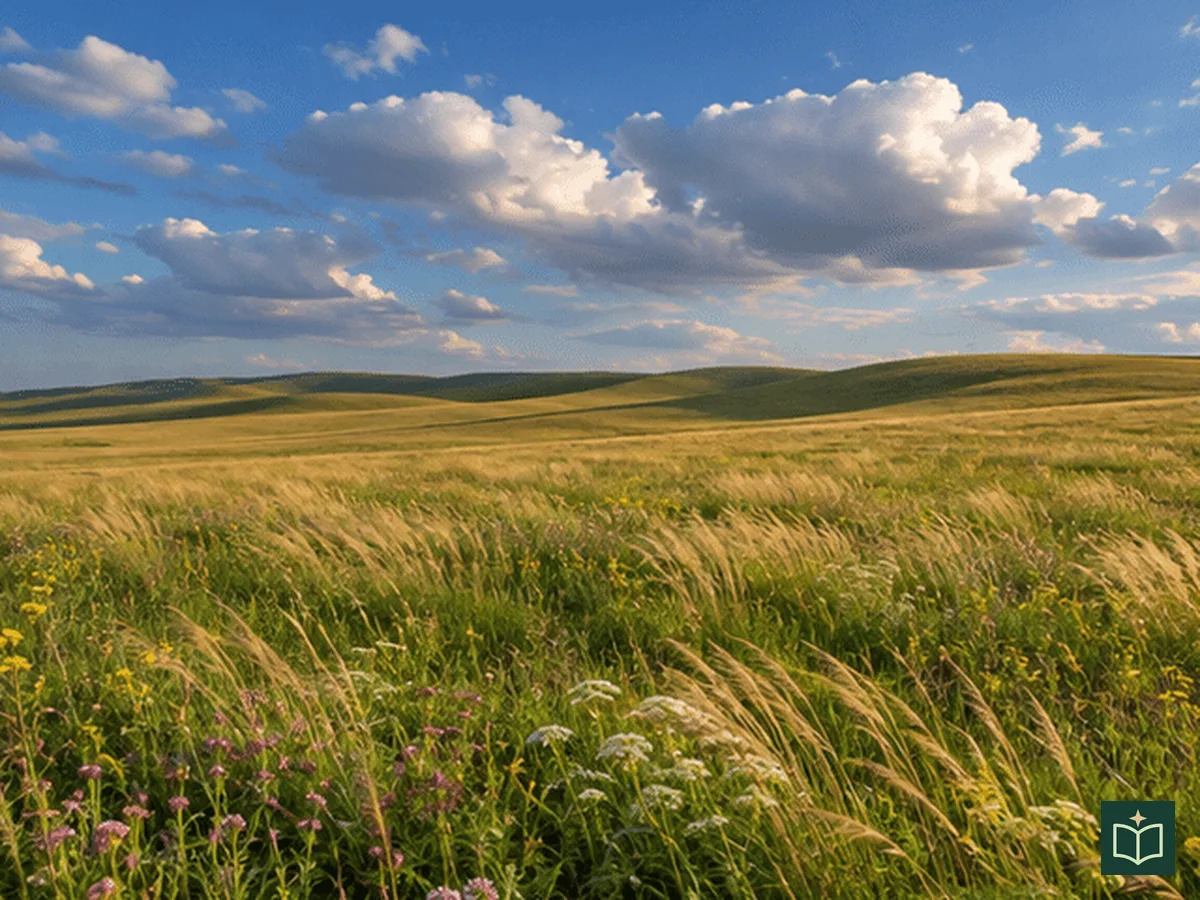
Temperate grasslands go by different names on each continent. In Eurasia they are the steppe, in North America the prairie and Great Plains, in South America the pampas, in South Africa the highveld, and in Hungary the puszta. All share the same basic character: wide, mostly treeless plains dominated by grasses and flowering herbs, with hot summers, cold winters and moderate rainfall, very roughly 250 to 750 millimetres a year, often falling mainly in spring and early summer. They lie in the interiors of continents or in the rain shadows of mountains, in a broad band between forests on the wetter side and deserts on the drier side.
Why trees do not take over
Several forces keep these lands as grass. Rainfall is enough for grasses, which can grow quickly in a wet spring and survive drought by going dormant, but often too little or too erratic for trees. Fire, sparked by summer lightning, sweeps across dry grass, killing young trees while grasses regrow from roots protected below ground. Grazing animals, from bison on the prairie to wild horses and saiga antelope on the steppe, crop the grass and trample seedlings. Cold, dry winters add another hurdle. Where fire and grazing are removed, trees and shrubs often creep in, showing that the balance is partly kept by disturbance.
The richest soils on Earth
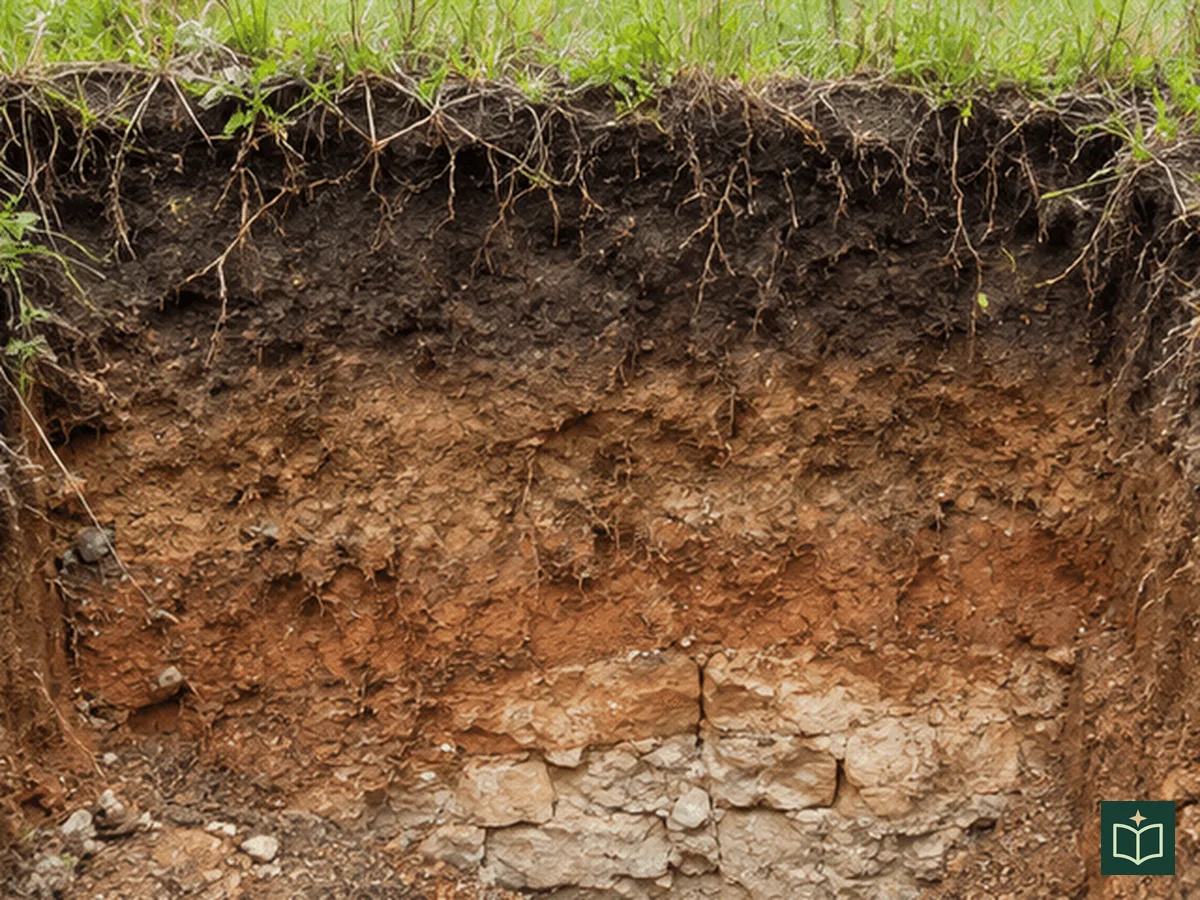
The secret of these grasslands lies underground. Prairie grasses can send roots several metres deep, and in many species most of the plant’s mass lies below the surface. Each year part of this root mass dies and decays, adding organic matter deep into the soil. With moderate rainfall, nutrients are not washed away. Over thousands of years this created deep, dark soils, the chernozems or black earths of Ukraine and southern Russia and the mollisols of the American Midwest and the pampas, often with a black topsoil a metre or more thick. They are among the most naturally fertile soils on the planet.
From grassland to breadbasket
Those soils made temperate grasslands the obvious place to grow grain once steel ploughs could cut through the dense sod in the nineteenth century. Today the North American prairies, the Ukrainian and Russian steppe and the Argentine pampas are among the world’s major producers of wheat, maize, barley, sunflowers and soybeans, and leading exporters of grain and beef. The transformation was swift and near total in some places. In North America only a few per cent of the original tallgrass prairie survives, mainly in reserves and on land too rocky or steep to plough, while the drier shortgrass plains are mostly used for grazing.
Lessons of the Dust Bowl
Ploughing grasslands has risks. In the 1930s, a run of drought years struck the southern Great Plains of the United States after millions of hectares of native grass had been ploughed for wheat. With roots gone, the exposed soil blew away in giant dust storms that buried farms and drifted as far as the Atlantic coast. The Dust Bowl drove hundreds of thousands of people from the land and led to new soil conservation practices, including shelter belts of trees, contour ploughing and keeping crop stubble on fields. Similar wind erosion followed the Soviet Virgin Lands campaign in Kazakhstan in the 1950s and 1960s.
Why grasslands matter now
Temperate grasslands are among the least protected biomes in the world, because so much of them has been converted to farmland. Remaining natural grasslands store large amounts of carbon in their deep soils, support ground-nesting birds and pollinators, and soak up rainfall that recharges groundwater. Restoring native grasses on marginal farmland, managing grazing to mimic wild herds and protecting the last large steppe areas in Kazakhstan and Mongolia are all conservation priorities. For importers of food, including the Gulf states, the health of these distant grasslands also matters directly, because their harvests feed a large share of global grain markets.
Sources & further reading
- Britannica · Temperate grassland ↗
- National Park Service · Tallgrass Prairie National Preserve ↗
- FAO · Soils portal ↗
Figures are rounded and widely published; check the linked organisations for the latest editions. These organisations do not endorse this website.