More than dirt
Soil is the thin, loose layer covering much of Earth’s land, and nearly all our food grows in it. It is a mixture of mineral grains from broken-down rock, organic matter from dead plants and animals, water, air and a vast population of living organisms. A single handful can contain billions of bacteria and kilometres of fungal threads. Soil is not simply crushed rock: it is built, layer by layer, by the interaction of rock, climate and life. That process is slow. Depending on conditions, forming a centimetre of soil can take from about a century to a thousand years or more.
Five ingredients
In 1941 the soil scientist Hans Jenny summarised soil formation in five factors that are still taught today: climate, organisms, relief, parent material and time. Parent material is the rock or sediment the soil forms from, which sets its mineral content and texture. Climate controls how fast rock weathers and organic matter decays. Organisms, from roots and fungi to earthworms and termites, add organic matter and mix the soil. Relief, the shape of the land, decides whether soil accumulates in valleys or washes off slopes. Time lets all these processes work. The same rock can produce very different soils under different combinations of the other factors.
Breaking the rock
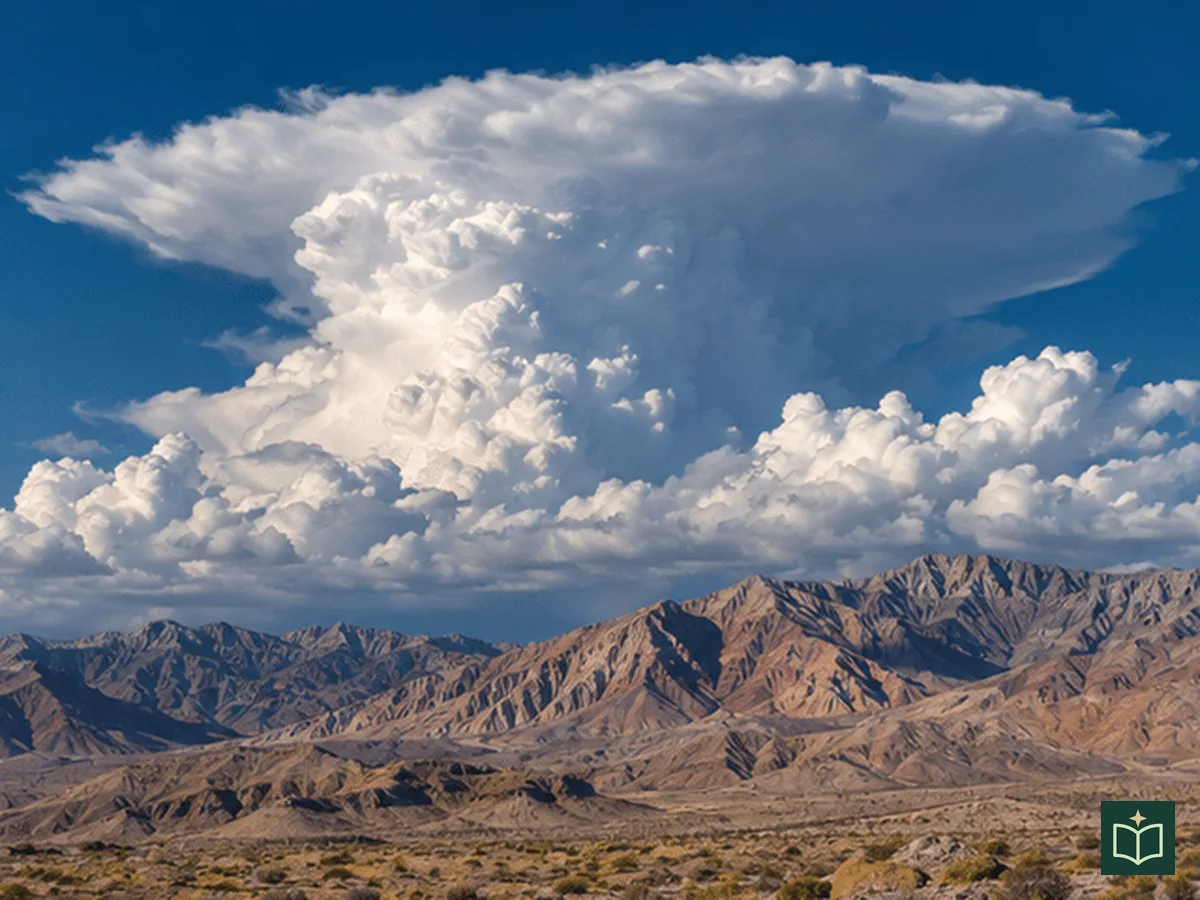
Soil formation begins with weathering. Physical weathering breaks rock apart: water freezes and expands in cracks, desert rocks expand and contract with daily heat, and roots wedge into joints. Chemical weathering changes the minerals themselves. Rainwater, slightly acidic from dissolved carbon dioxide, slowly turns feldspar into clay and dissolves limestone. Lichens and microbes release acids that speed the process. The pace depends strongly on climate. In warm, wet tropics rock can weather to depths of tens of metres, while in cold or very dry climates weathering is slow and soils stay thin, stony and young for a very long time.
Layers called horizons
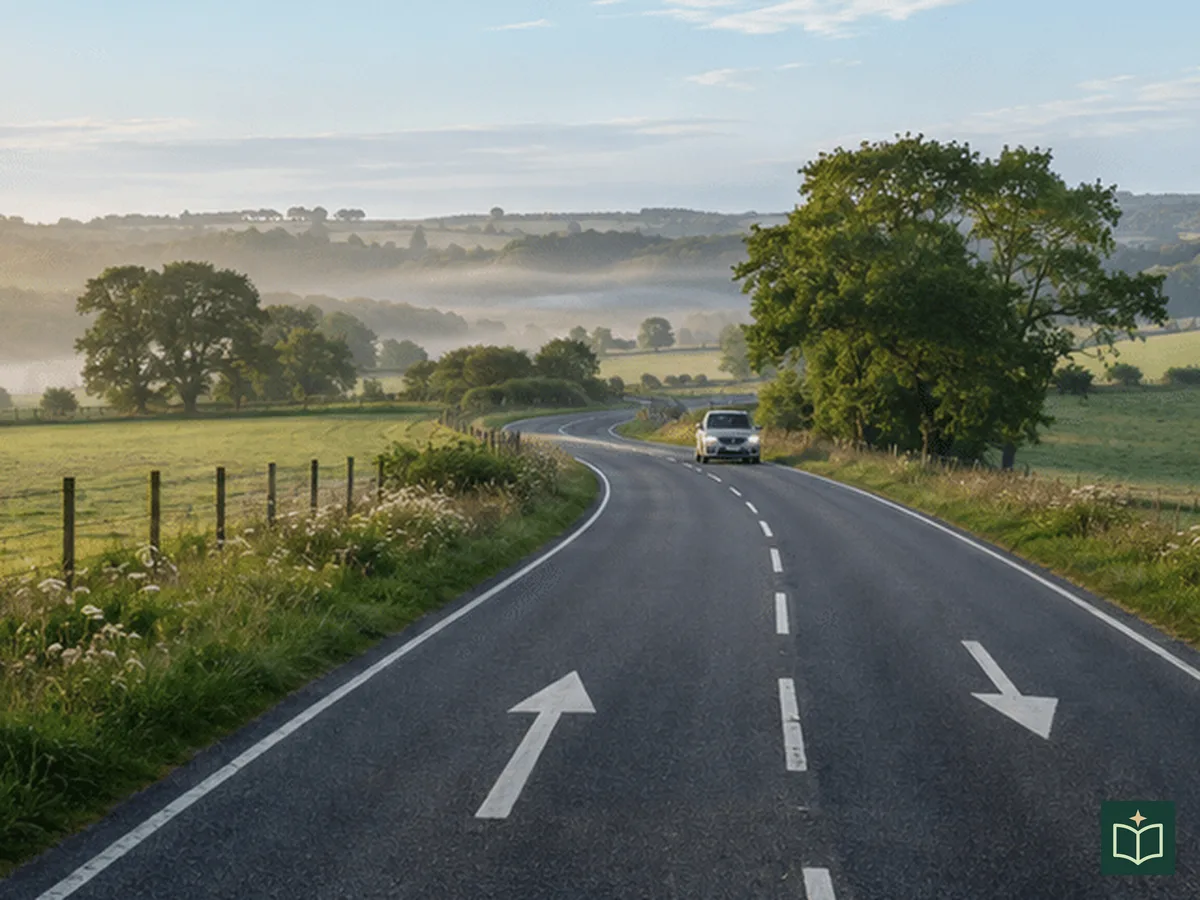
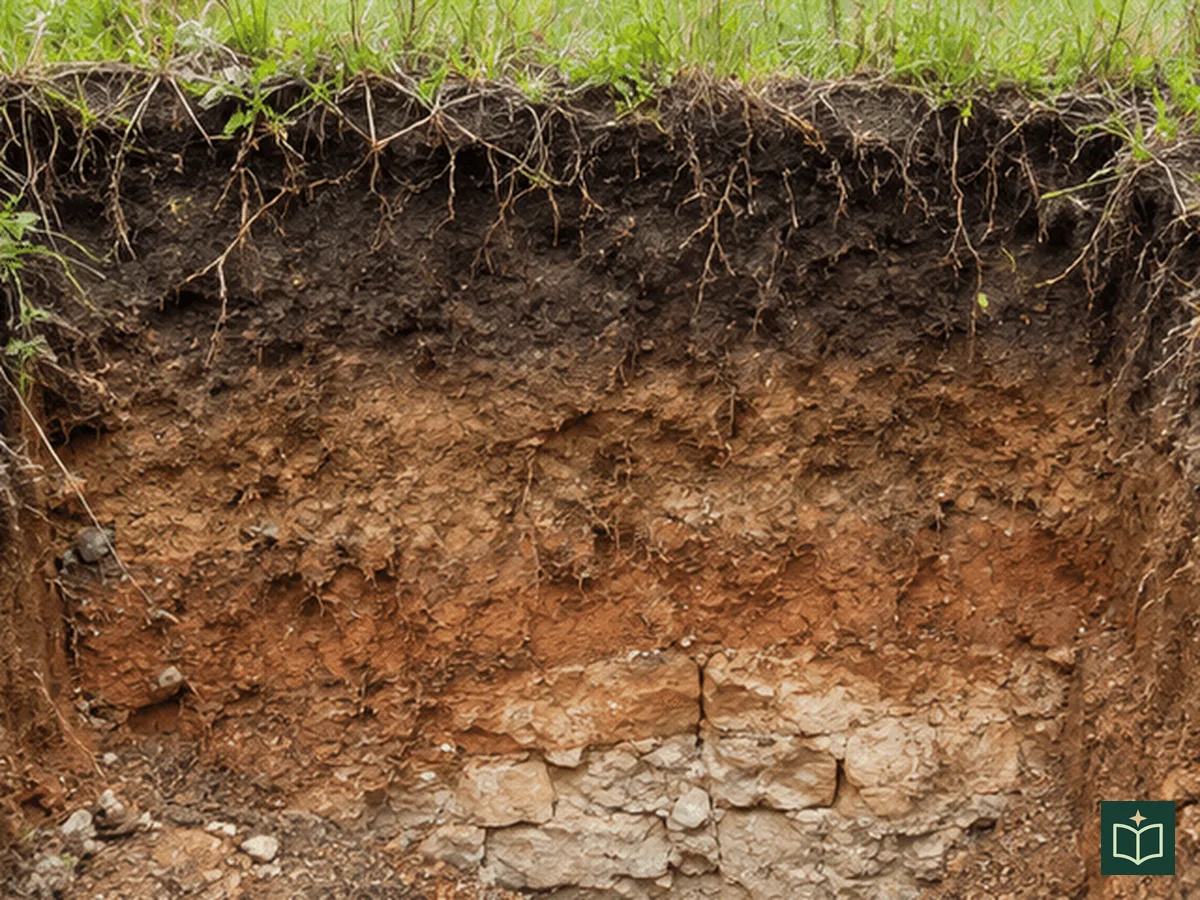
As soil matures, it separates into layers called horizons, visible in any deep road cut or pit. At the top, an O horizon of leaf litter may lie over the A horizon, or topsoil, dark with organic matter and busy with life. Below, water carries clay, iron and other materials downwards, sometimes leaving a pale, leached E horizon and building up a denser B horizon, or subsoil. Beneath lies the C horizon of partly weathered parent material and finally solid bedrock. Desert soils, such as those across much of the UAE, are often sandy and low in organic matter, with layers of gypsum or lime.
Lost faster than made
The slow pace of formation makes soil erosion so serious. Suppose topsoil forms at a centimetre every 200 years: a 30-centimetre layer would take about 6,000 years to build. If ploughing on a bare slope lets rain or wind strip away a millimetre a year, the same layer could vanish in around 300 years. Real rates vary enormously from place to place, but studies have found that erosion on conventionally tilled farmland often outpaces soil formation many times over. Salinisation from poor irrigation, compaction by heavy machinery, sealing under concrete and pollution can also degrade soil far faster than nature can repair it.
Protecting a slow resource
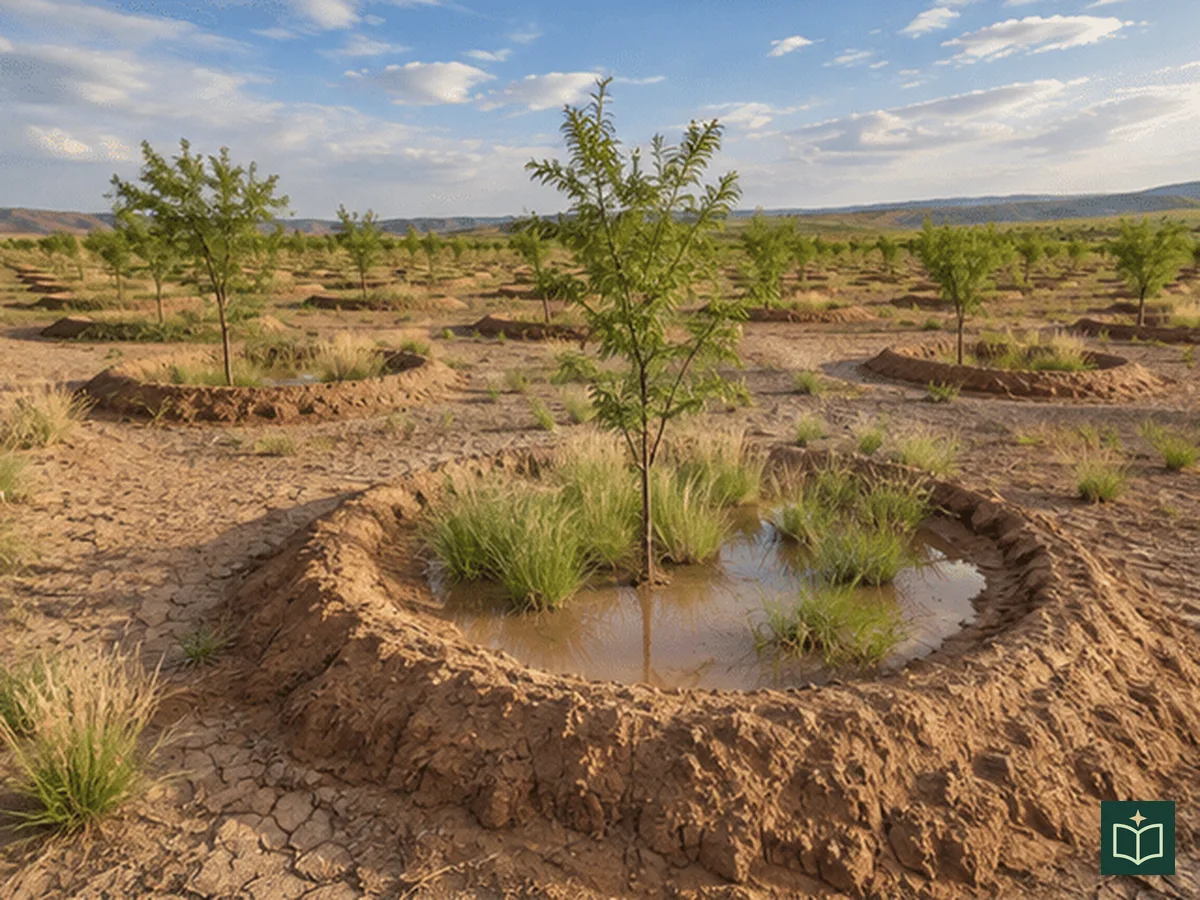
Because soil takes so long to form, scientists and agencies such as the UN Food and Agriculture Organization treat it as effectively non-renewable on human timescales. Practices that keep soil covered and alive help most: planting cover crops, reducing tillage, rotating crops, adding compost or manure, terracing slopes and planting windbreaks. Healthy soils hold more water, resist erosion and store large amounts of carbon, which links soil care to climate goals. In dry regions like the Gulf, where natural soils are thin, building soil with compost and protecting it from wind are essential steps for urban green spaces and farms alike.
Sources & further reading
Figures are rounded and widely published; check the linked organisations for the latest editions. These organisations do not endorse this website.