Two similar words
Sprain and strain sound alike, cause similar pain and are often treated in similar ways, which is why people mix them up. The difference lies in which tissue is hurt. Ligaments are tough bands of connective tissue that join one bone to another at a joint and keep it stable. When a joint is forced beyond its normal range, a ligament can stretch or tear: that is a sprain. Muscles attach to bones through tendons. When a muscle is stretched too far or made to contract too hard, its fibres, or the tendon at its end, can tear: that is a strain. A simple memory aid is that a strain involves a tendon.
How sprains happen
Sprains are usually caused by a sudden twist, roll or impact at a joint. The classic example is the ankle, rolling outwards when someone lands awkwardly from a jump, steps off a kerb or turns quickly on uneven ground. This stretches the ligaments on the outer side of the ankle. Wrists are often sprained in falls onto an outstretched hand, and knees in sports involving pivoting, such as football and basketball. Symptoms include pain around the joint, swelling, bruising and difficulty bearing weight or using the joint. Sometimes a pop is felt at the moment of injury. Because ligaments stabilise joints, a bad sprain can leave the joint feeling loose or unreliable.
How strains happen
Strains usually affect muscles that cross two joints or that work hard in sudden bursts. The hamstrings at the back of the thigh, the calf muscles and the muscles of the lower back are common sites. A sprinter accelerating, a footballer stretching for the ball or someone lifting a heavy box with a bent back can all strain a muscle. Strains can also build up gradually through repeated overuse. Symptoms include pain, tenderness, muscle spasm, weakness and sometimes bruising further down the limb. Cold muscles and fatigue raise the risk, which is why warming up matters. In the Gulf, playing sport in heat, while dehydrated, may add to fatigue and muscle cramps.
Grading the damage
Both injuries are graded by severity. A grade one injury is a mild stretch with microscopic tears; the area is sore but works fairly normally. Grade two is a partial tear, with more pain, swelling and loss of function. Grade three is a complete rupture of the ligament, muscle or tendon. It may cause an obvious gap, a loss of strength or an unstable joint, and sometimes needs surgery. Recovery reflects the grade. Most mild sprains and strains improve within about two weeks, while severe injuries can take several months. Ligaments and tendons have a relatively poor blood supply, so they tend to heal more slowly than muscle.
What to do first
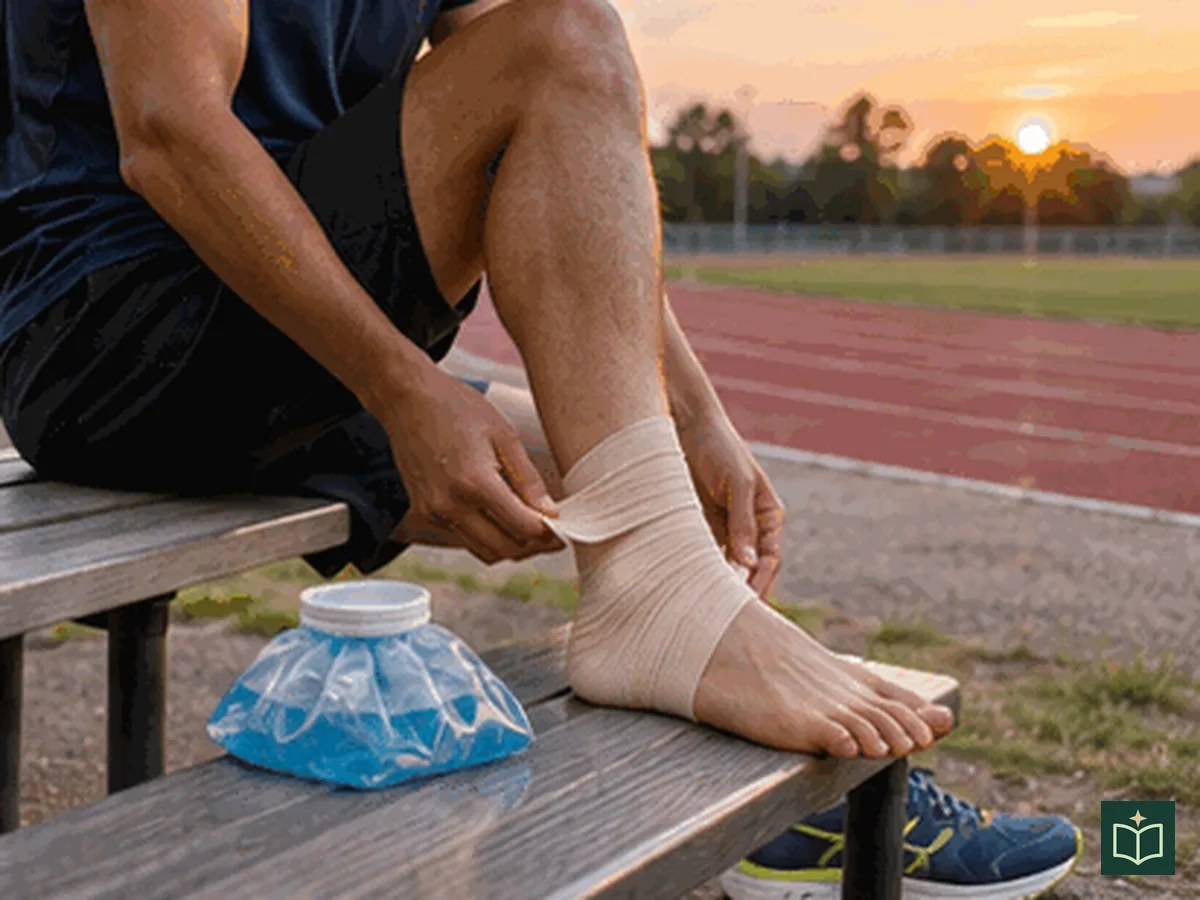
For the first two or three days, general advice is to protect the injured area, rest it, apply ice wrapped in a cloth for around 15 to 20 minutes every few hours, use a compression bandage, and keep it raised. Heat, alcohol, running and massage can increase swelling early on and are usually avoided at first. After that, gentle movement helps more than prolonged rest, because it encourages tissue to heal in an organised way and keeps joints from stiffening. Painkillers can help. Medical advice should be sought if the person cannot bear weight, the joint looks deformed, there is numbness, the pain is severe, or symptoms do not improve within a few days.
Preventing a repeat
The biggest risk factor for a sprain is a previous sprain, especially at the ankle, because a stretched ligament and weakened sense of joint position leave the area vulnerable. Balance exercises, such as standing on one leg, and strengthening work help restore stability. For strains, gradual training, warming up, regular stretching and avoiding sudden jumps in intensity lower the risk. Returning to sport too soon is a common cause of re-injury. Physiotherapists usually guide people back in stages, from walking to jogging to sport-specific movements. This article is general information only; anyone with a significant or persistent injury should consult a doctor or physiotherapist for proper assessment.
Sources & further reading
Figures are rounded and widely published; check the linked organisations for the latest editions. These organisations do not endorse this website.