Two products, two jobs
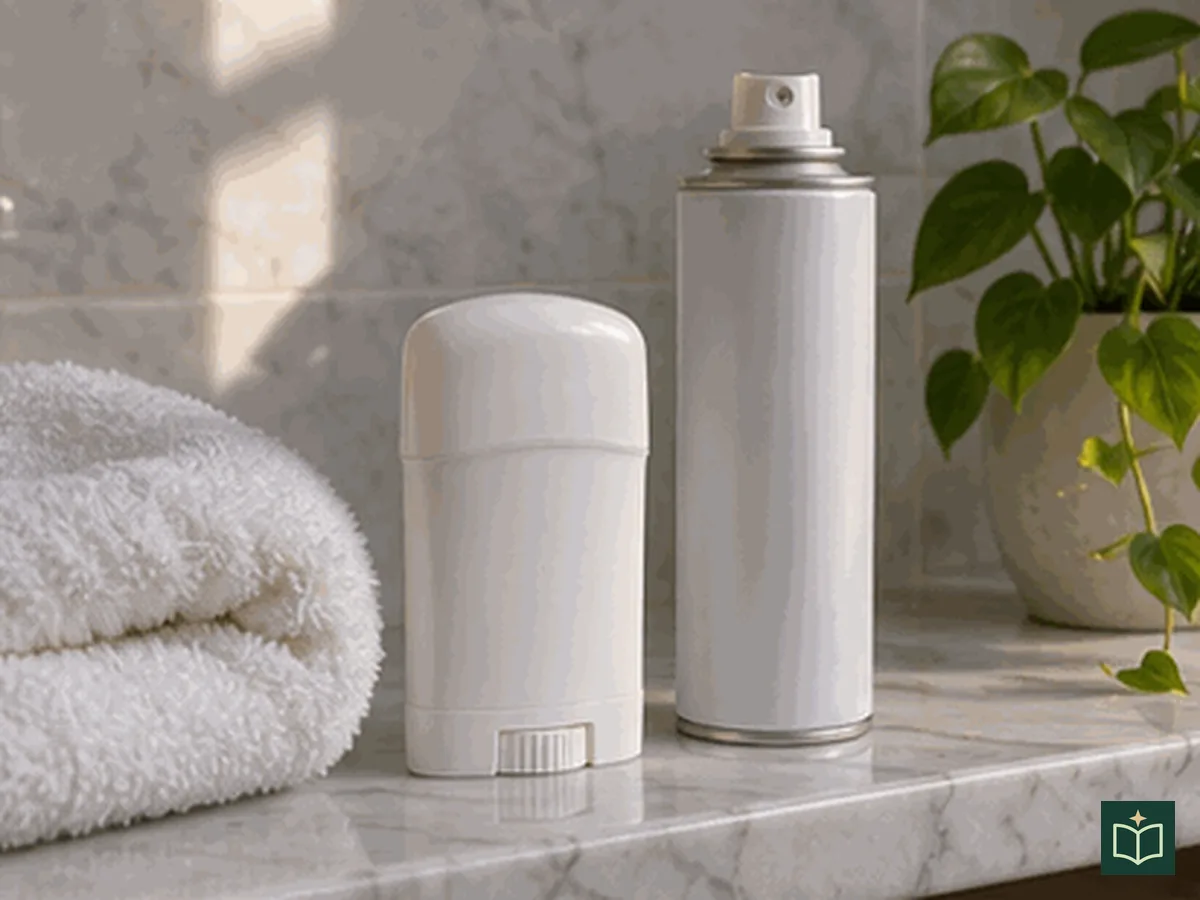
The words are often used interchangeably, and many sticks and sprays do both jobs, but antiperspirants and deodorants work in different ways. An antiperspirant reduces the amount of sweat that reaches the skin. A deodorant does nothing to sweat; it targets the smell. In the United States, antiperspirants are regulated as over-the-counter drugs because they change how the body works, while deodorants are cosmetics. Other regions treat both as cosmetics but still distinguish their claims. Labels usually make it clear. A product marked antiperspirant deodorant does both. One marked simply deodorant, or aluminium-free, will reduce smell but leave you as damp as before.
Where the smell comes from
Humans have two main types of sweat gland. Eccrine glands, spread across most of the skin, release watery sweat that cools the body as it evaporates. Apocrine glands, concentrated in the armpits and groin, become active at puberty and release a thicker fluid rich in proteins and fats. Freshly secreted, this fluid is almost odourless. The smell develops when bacteria living on the skin, especially species of Corynebacterium and Staphylococcus, break these compounds down into volatile molecules such as sulphur-containing thioalcohols and short fatty acids. Warmth and moisture help the bacteria thrive, which is why odour builds in hot weather and under clothing that traps sweat.
How antiperspirants work
The active ingredients in antiperspirants are aluminium salts, such as aluminium chlorohydrate or aluminium zirconium compounds. When applied, they dissolve in moisture on the skin and form a gel-like plug near the top of the sweat ducts, reducing how much sweat reaches the surface. The effect is temporary: the plugs are gradually washed away and the skin renews itself. Antiperspirants work best on dry skin and are often recommended at night, when sweat glands are less active and the ingredient has time to form plugs before the next day. They reduce sweat rather than stopping it entirely, and stronger clinical formulas exist for people with excessive sweating.
How deodorants work
Deodorants take several approaches to odour. Many contain antimicrobial agents, or alcohol, that reduce the number of bacteria on the skin. Some make the skin slightly more acidic, which slows bacterial growth. Others absorb or neutralise odour molecules, using ingredients such as zinc compounds or baking soda. Almost all add fragrance to mask whatever smell remains. Because deodorants do not block sweat, the armpit stays as wet as usual, but the smell is reduced. They suit people who sweat moderately and mainly want to stay fresh. In the Gulf, attar and oud oils have long been used as fragrance, though they perfume the body rather than control bacteria.
Myths and health questions
Concerns have circulated for years that aluminium in antiperspirants causes breast cancer or Alzheimer's disease. Large reviews by cancer research organisations have found no convincing evidence of a link with breast cancer, and the theory linking aluminium to Alzheimer's has not been supported by later research. Another myth is that blocking armpit sweat is harmful because the body needs to release toxins there. Sweat plays almost no role in removing waste; the kidneys and liver do that. People with sensitive skin may react to fragrance or alcohol in some products, and switching formulas often helps. Sweating that is heavy and constant may be a medical condition worth discussing with a doctor.
Choosing between them
The right choice depends on the problem. If damp patches on clothing are the concern, an antiperspirant is needed, applied to clean, dry skin. If smell is the main issue and sweating is moderate, a deodorant may be enough. In a Gulf summer, when temperatures pass 40°C and humidity can be high, many people prefer combined products. Genetics plays a part too. A common variant of a gene called ABCC11, widespread in East Asian populations, produces drier earwax and much less armpit odour, so some people need little or no deodorant. Washing regularly, wearing breathable fabrics such as cotton or linen, and changing clothes after exercise all help.
Sources & further reading
Figures are rounded and widely published; check the linked organisations for the latest editions. These organisations do not endorse this website.