An old observation
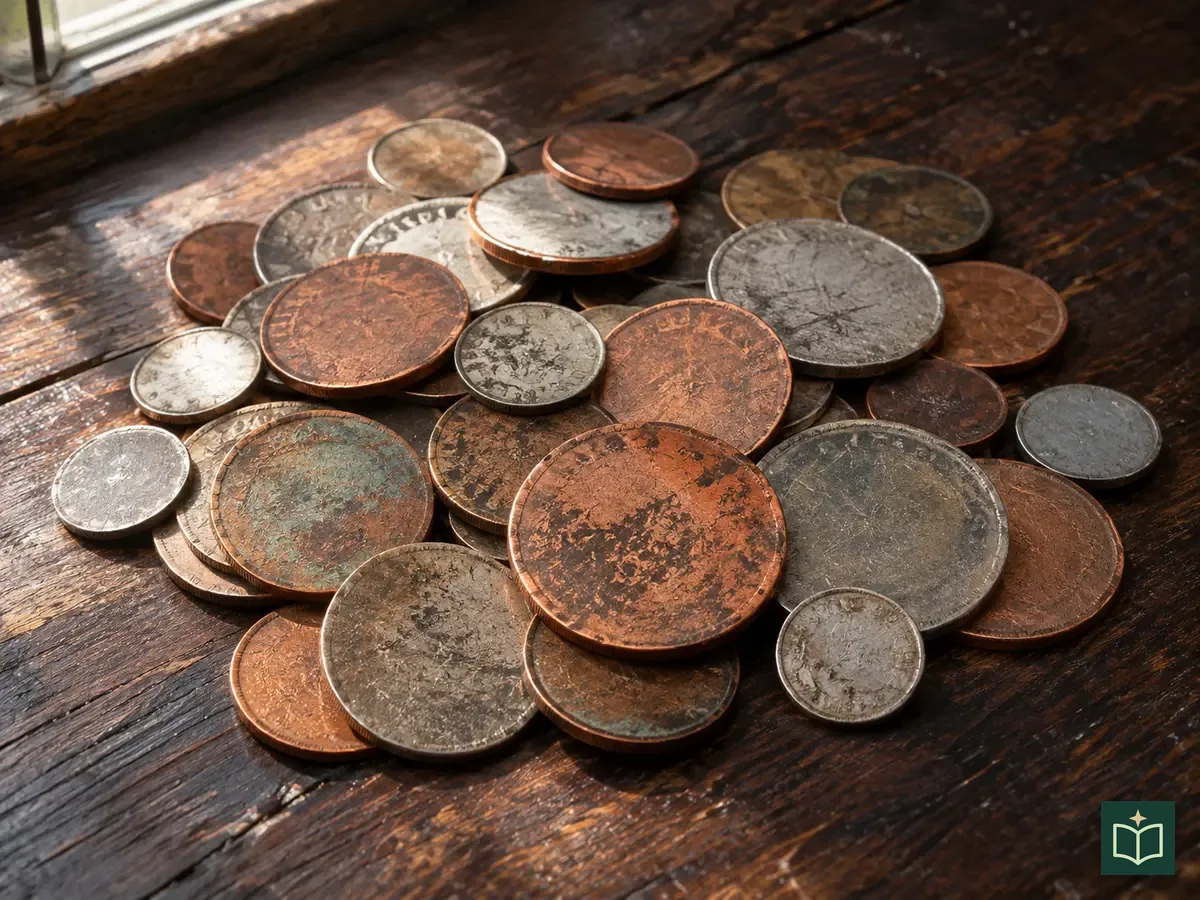
People noticed silver’s preserving properties long before microbes were discovered. Water and milk were said to keep better in silver vessels, and silver coins were sometimes dropped into containers for the same reason. In the 1890s, the Swiss botanist Carl Nägeli described what he called the oligodynamic effect: very small quantities of certain metals, silver among them, could kill algae and other organisms. Around the same period, doctors adopted silver compounds in medicine. In 1881, the obstetrician Carl Credé introduced silver nitrate eye drops for newborns to prevent infection passed on during birth, a practice that greatly reduced a common cause of childhood blindness and was used widely for many decades.
How the ions act
The active agent is not solid silver but the silver ion, a silver atom that has lost an electron. Ions are released when silver metal or silver compounds come into contact with moisture. Inside and around microbial cells, silver ions bind strongly to sulphur-containing groups in proteins, including enzymes that bacteria need for respiration and metabolism. They can also damage cell membranes and interfere with DNA. Because the ions attack several targets at once, silver acts against a broad range of bacteria and some fungi. The effect depends on concentration, contact time and conditions such as the presence of chloride or organic material, which can bind silver and reduce its availability.
Dressings, burns and devices
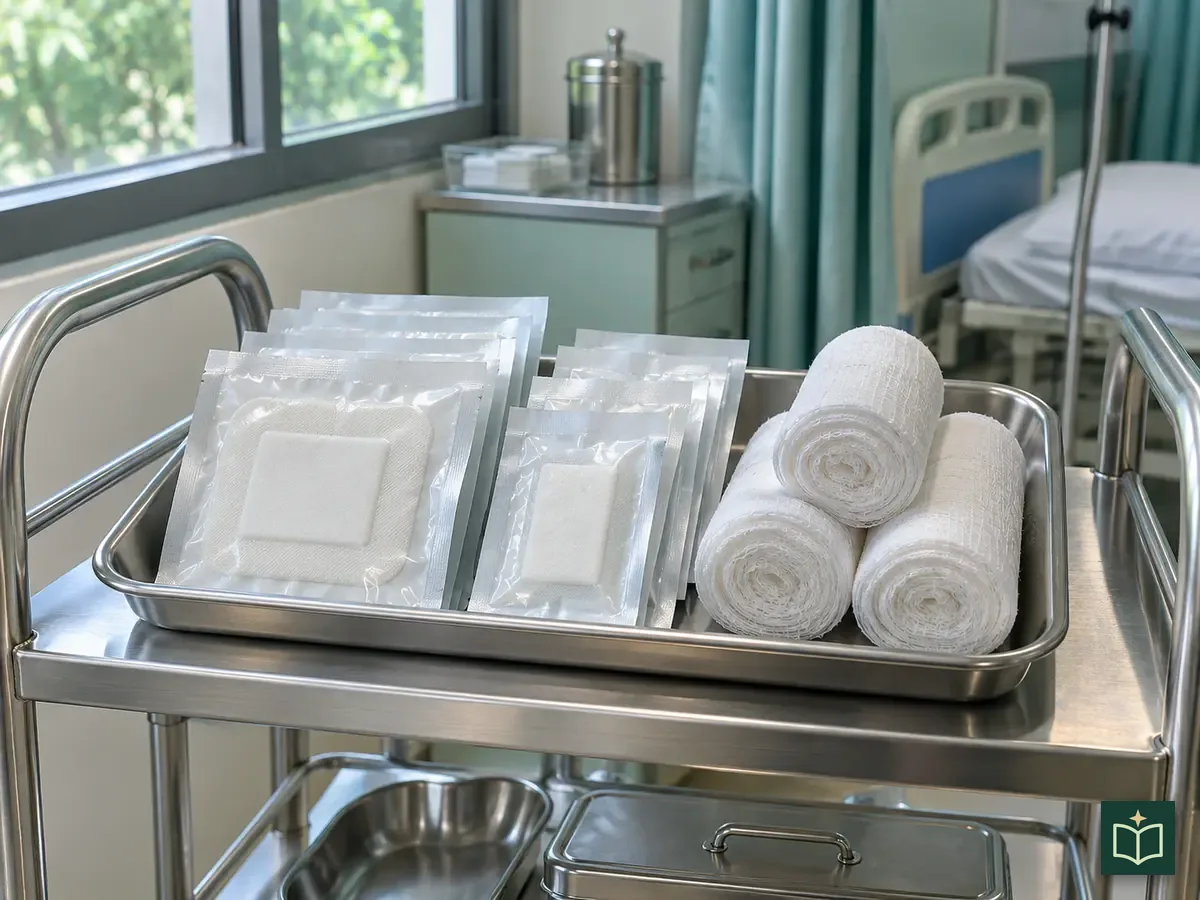
Silver’s clearest medical role is on the outside of the body. Silver sulfadiazine cream became a standard treatment for burns from the 1960s onwards, and many modern wound dressings contain silver in various forms to reduce bacterial growth in the wound bed. Some urinary catheters and other devices have silver coatings intended to lower infection risk, though studies of their benefit have produced mixed results. In each case the aim is to keep a steady, low release of ions at a surface where bacteria might colonise. Clinicians weigh these products against alternatives, and guidelines change as new evidence emerges, so their use varies between hospitals and countries.
Water and everyday products
Silver is also used to help keep water safe. Some household and portable filters combine activated carbon or ceramic elements with silver to discourage bacterial growth inside the filter itself. In low-income settings, silver-treated ceramic pot filters have been promoted as an affordable method of household water treatment. Silver is added to some textiles, such as sports clothing, to limit odour-causing bacteria, and to coatings on certain appliances. These uses typically involve small quantities. Regulators in many countries review biocidal products, including silver-based ones, to set limits on what can be claimed and how much silver may be released, partly because of concerns about effects on aquatic life.
Where claims go too far
Silver’s genuine uses have fuelled exaggerated ones. Colloidal silver drinks and supplements are often promoted as cures for a wide range of illnesses, but there is no reliable evidence that swallowing silver treats infections or other diseases. In 1999 the US Food and Drug Administration ruled that over-the-counter colloidal silver products were not recognised as safe and effective for any disease. Taking silver regularly can cause argyria, a permanent blue-grey discolouration of the skin, and it can interfere with the absorption of some medicines. This explainer provides general information only; anyone considering silver products for health reasons should speak to a doctor or pharmacist first.
Resistance and balance
Because silver attacks several targets, bacteria find it harder to resist than many single-target antibiotics, but resistance is not impossible. Researchers have identified genes that allow some bacteria to pump silver ions out of their cells, and widespread low-level use could encourage such traits. Silver nanoparticles in consumer products can wash into wastewater, where their environmental effects are still being studied. The balanced view is that silver is a useful tool in specific settings, especially wound care and surface protection, but not a substitute for hygiene, clean water systems or appropriate medical treatment. Its long history shows both the value of the metal and the persistence of overblown claims about it.
Sources & further reading
Figures are rounded and widely published; check the linked organisations for the latest editions. These organisations do not endorse this website.