A city in thin air
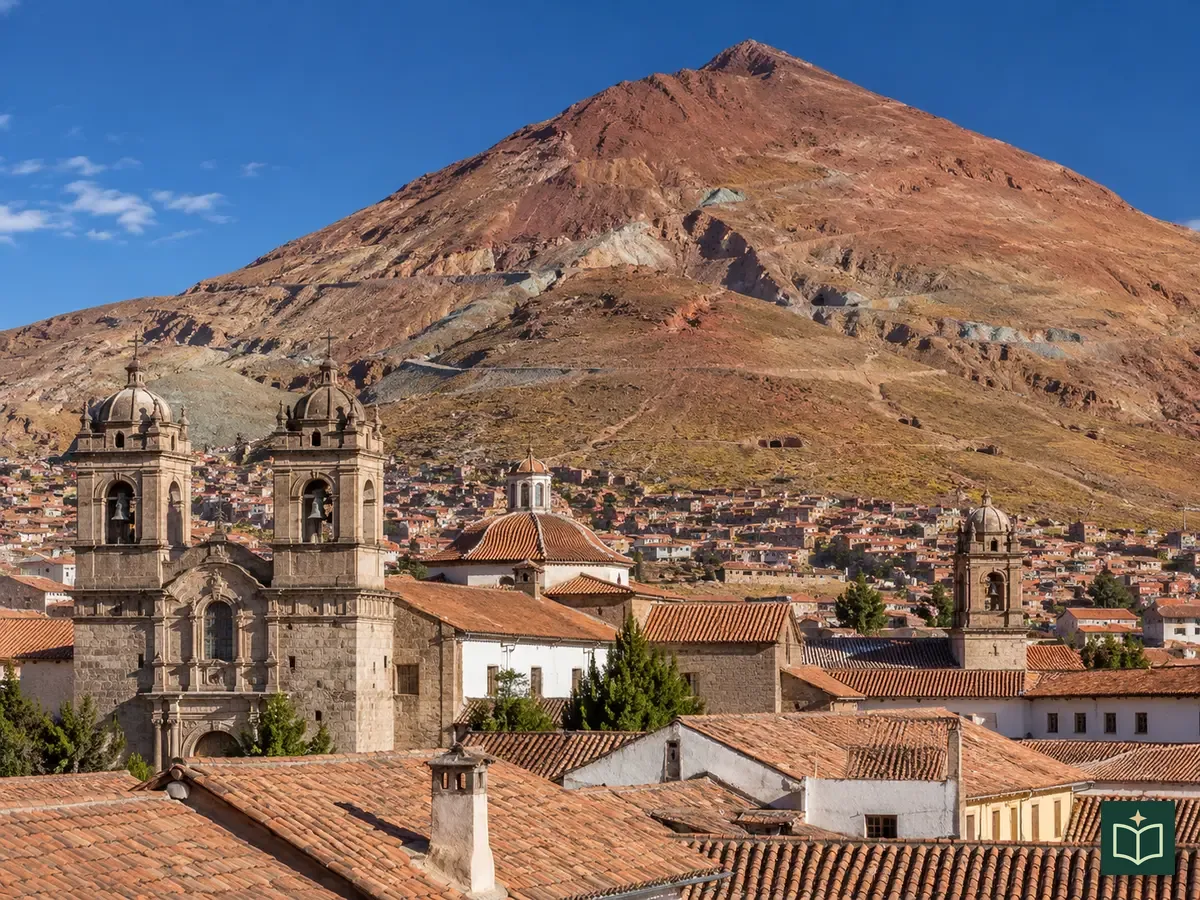
Potosí sits at around 4,000 metres in the Andes of today’s Bolivia, one of the highest cities in the world. Above it rises Cerro Rico, the rich hill, whose veins of silver ore made it one of the most productive silver deposits ever found. After Spanish colonists began mining it in 1545, a city grew at astonishing speed in a cold, thin-aired landscape with little farmland. By the early 1600s, Potosí was among the largest cities in the Americas, with churches, a royal mint and a population that by some estimates exceeded 100,000. The Spanish phrase vale un Potosí, it is worth a Potosí, came to mean something of enormous value.
Mercury and the mita
The first surface ores were rich, but production declined as they were exhausted. In the 1570s, colonial authorities transformed output with two changes. Mercury amalgamation, often called the patio process, allowed silver to be extracted from lower-grade ore by mixing crushed rock with mercury, much of it from the Huancavelica mine in Peru. At the same time, Viceroy Francisco de Toledo organised the mita, a forced labour draft that compelled Indigenous communities across a huge area to send men to work in Potosí’s mines and refineries. Conditions underground were extremely dangerous, mercury exposure was toxic, and the death toll over the colonial period was severe, though precise figures remain debated.
The coin that crossed oceans
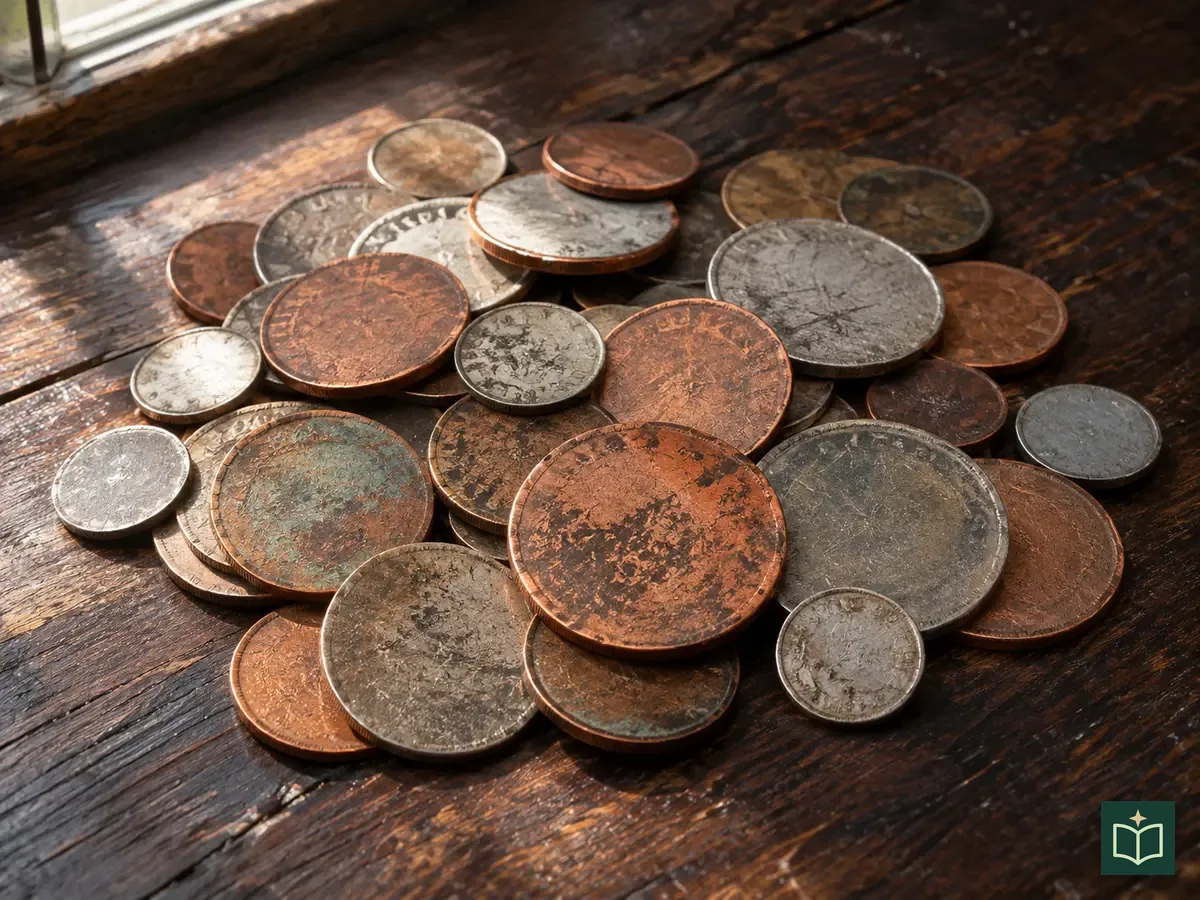
Potosí’s silver was minted into coins, most famously the real de a ocho, or piece of eight. Along with silver from Mexico, these coins became one of the most widely accepted forms of money in the world. They paid for Spain’s wars and imports and flowed through European banking centres. Many of the coins went west as well as east. From 1565, Spanish galleons sailed between Acapulco and Manila, where silver was exchanged for Chinese silk, porcelain and other goods. China’s economy, which increasingly collected taxes in silver, absorbed vast quantities. The Spanish dollar later influenced currencies elsewhere, including the original US dollar, which was modelled partly on it.
A global economy is born
Historians often describe the silver trade of the sixteenth and seventeenth centuries as the beginning of a genuinely global economy, with regular trade connecting every inhabited continent. American silver linked the demand for money in China with the trading ambitions of Spain, Portugal, the Netherlands and others. It also had uncomfortable consequences. The large influx of silver into Europe is often associated with the long rise in prices known as the price revolution, although economists debate how much was due to silver and how much to population growth. In Spain itself, silver wealth did not prevent repeated royal bankruptcies, a reminder that precious metal alone does not guarantee lasting prosperity.
Decline and memory
Potosí’s output peaked around the end of the sixteenth century and then gradually declined as ores grew poorer and deeper. The city shrank, and Bolivia later became independent in 1825. Cerro Rico is still mined today, mostly for tin, silver and zinc, often by cooperatives working in difficult and hazardous conditions. Centuries of tunnelling have weakened the mountain, and its summit has partly collapsed, raising concerns about stability. In 1987, UNESCO inscribed the City of Potosí on its World Heritage List, recognising its colonial architecture and industrial remains, including the mint and water reservoirs, and later placed it on its list of sites in danger because of the effects of continued mining.
Why Potosí still matters
Potosí is a case study in how mineral wealth can transform the wider world while leaving local communities with lasting harm. Its silver financed an empire and lubricated trade from Seville to Beijing, but much of the profit flowed far away from the people who extracted it. The legacy includes environmental contamination from centuries of mercury use and an enduring debate about colonial exploitation. For modern readers, the story also illuminates questions still asked about mining today: who benefits, who bears the risks, and what remains once the richest ore has gone. The coins have long since been melted or collected, but those questions have not lost their relevance.
Sources & further reading
Figures are rounded and widely published; check the linked organisations for the latest editions. These organisations do not endorse this website.