A predicted element
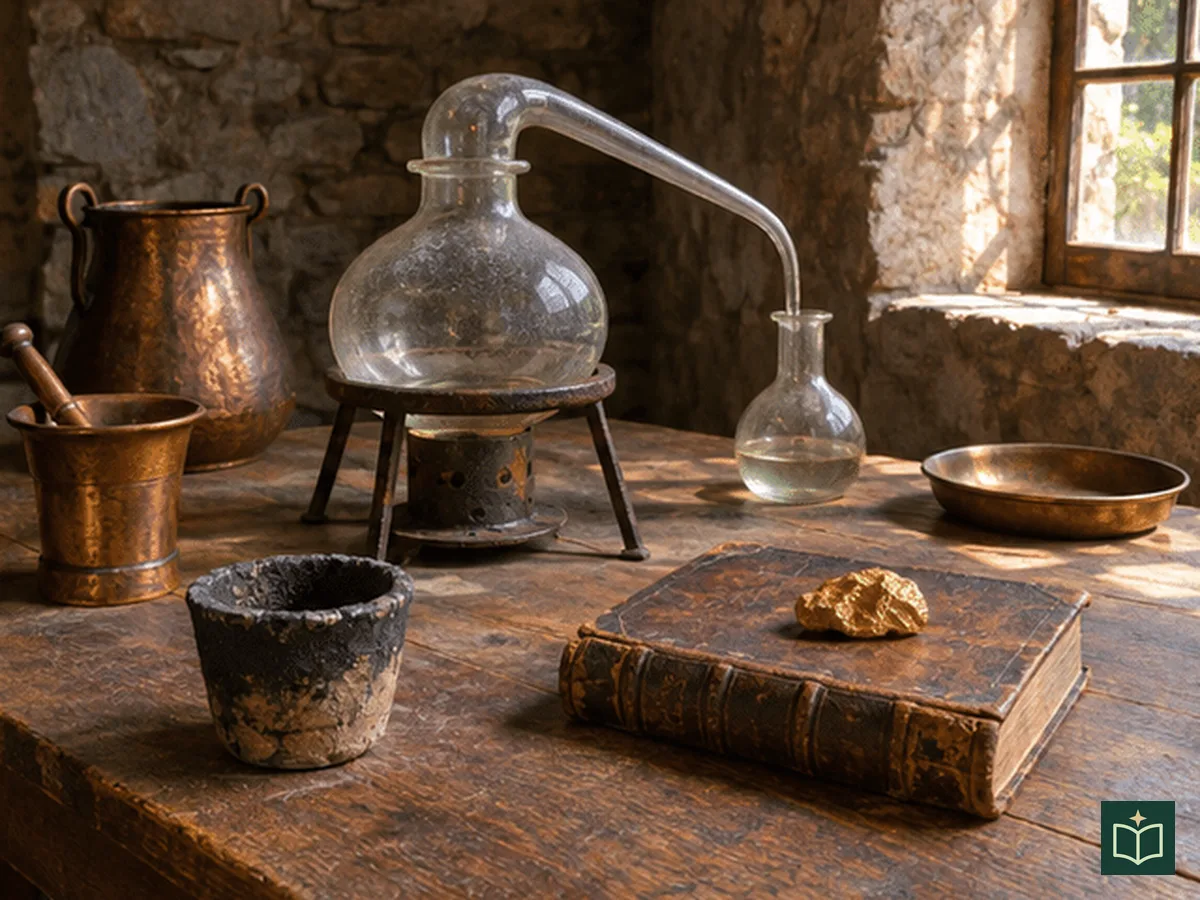
Scandium has an unusual origin story. In 1871 Dmitri Mendeleev, arranging the elements in his periodic table, left a gap and predicted the properties of an undiscovered element he called eka-boron. In 1879 the Swedish chemist Lars Fredrik Nilson found it in minerals from Scandinavia and named it scandium. Its properties matched Mendeleev's forecast closely, which helped persuade chemists that the periodic table was more than a convenient list. Scandium is a light, silvery metal, sometimes grouped with the rare earth elements because it occurs alongside them and behaves similarly. For about a century after its discovery it remained mostly a laboratory curiosity.
What scandium does to aluminium
Aluminium alloys are light but can lose strength when heated, including during welding. Adding scandium, typically around 0.1 to 0.5%, changes that. As the metal solidifies and is then heat-treated, scandium forms extremely small particles of an aluminium-scandium compound, Al₃Sc. Their crystal structure fits neatly within the aluminium around them, so they spread evenly and in huge numbers. They act as seeds that produce fine grains when the metal solidifies, and they pin grain boundaries so the structure does not coarsen when heated. They also obstruct the tiny crystal defects, called dislocations, whose movement lets metal deform, raising strength.
Better welds
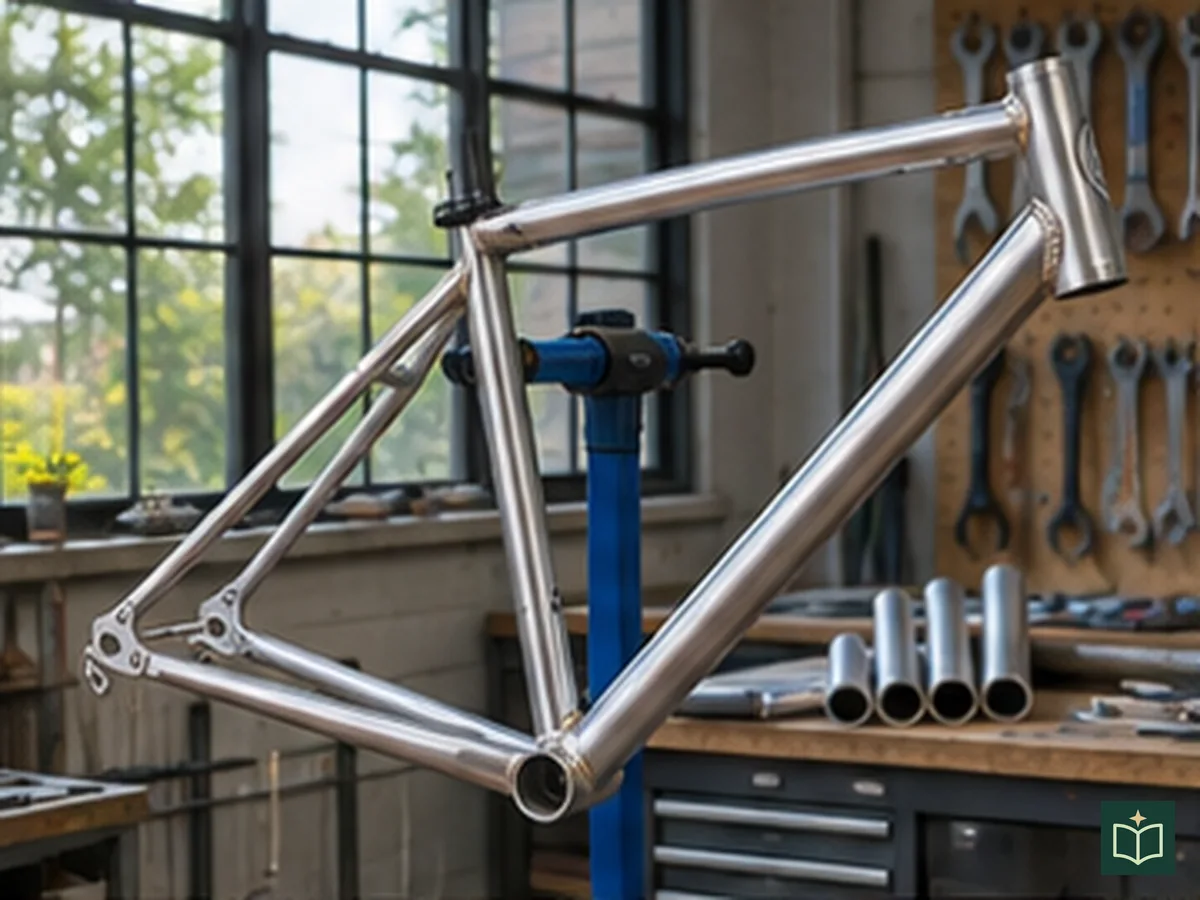
One of scandium's most valuable effects is on welding. Many high-strength aluminium alloys are prone to hot cracking, where the weld splits as it cools, and the heat of welding weakens the metal next to the joint. Scandium's fine grains reduce cracking, and its stable particles help the heat-affected zone keep more of its strength. Combining scandium with magnesium and often a small amount of zirconium gives alloys that are both strong and weldable. That matters for structures built from welded parts, such as aircraft fuselage panels, ship hulls and bicycle frames, where rivets and fasteners add weight and assembly cost.
Fighter jets to bike frames
Soviet metallurgists were early leaders in aluminium-scandium alloys, developing them from the 1970s and using them in some military aircraft components. After the Soviet Union's collapse, scandium alloys appeared in sporting goods, where small volumes and high prices are more easily tolerated by keen buyers: bicycle frames, baseball bats, lacrosse sticks and lightweight handgun frames. More recently, aluminium-magnesium-scandium powders have been developed for 3D printing aircraft and racing parts, because scandium helps the rapidly melted and cooled metal avoid cracking. Scandium also has a separate use in solid oxide fuel cells, where scandia-stabilised zirconia improves the electrolyte's conductivity.
Abundant but elusive
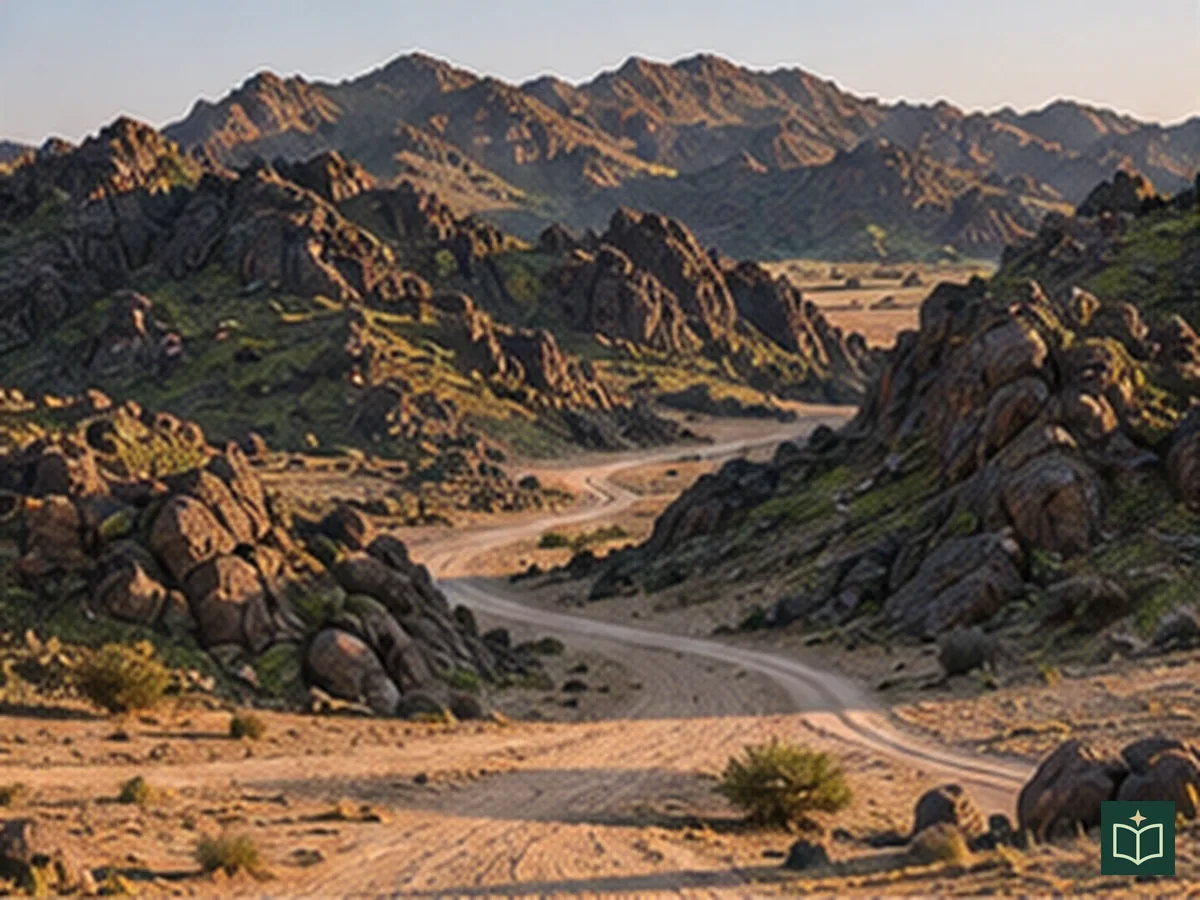
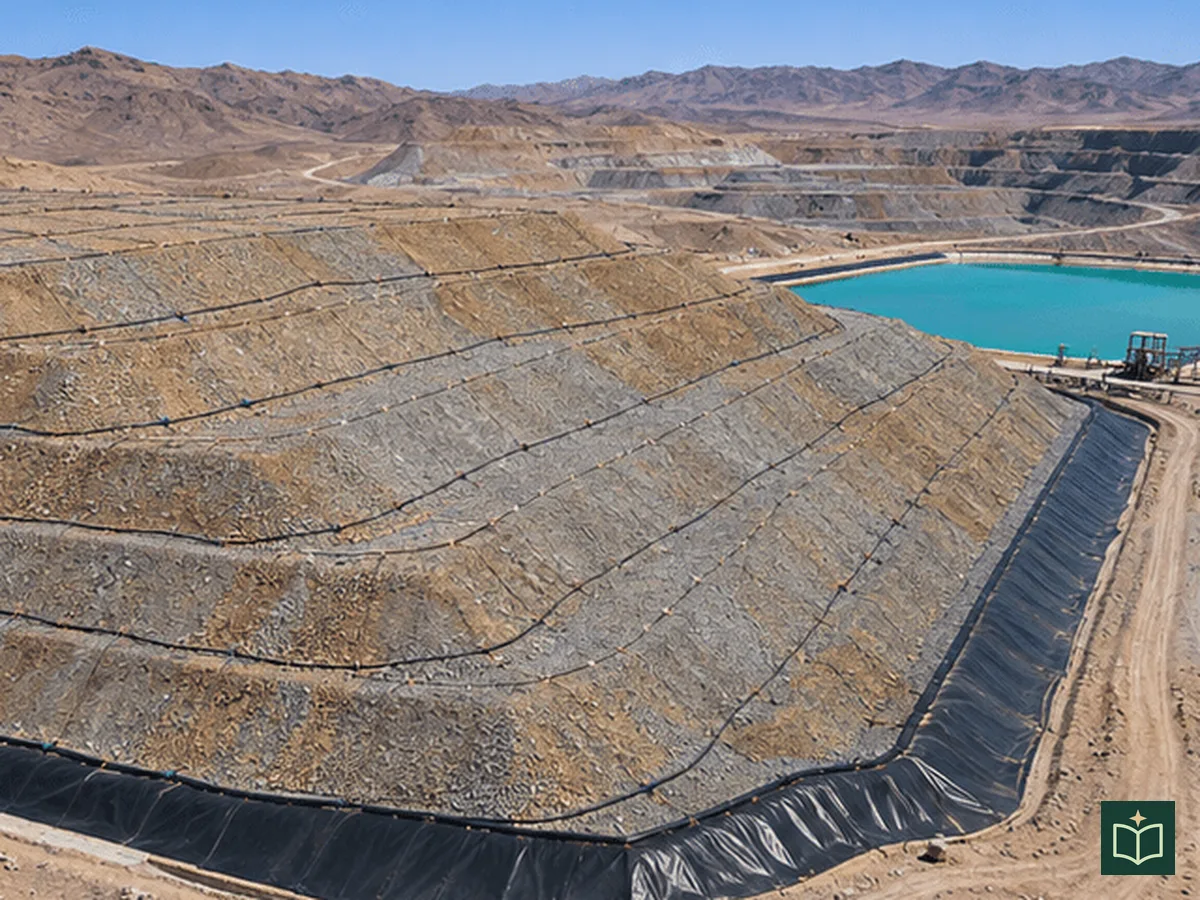
Scandium makes up about 22 parts per million of the Earth's crust, more than lead at roughly 14. The problem is dispersal. Scandium seldom concentrates in ore deposits of its own, so there are few dedicated mines. Most comes as a by-product from processing titanium dioxide pigment, uranium, nickel laterite ores and the residues of aluminium refining known as red mud. Global production is small, measured in tens of tonnes of scandium oxide a year. To illustrate the scale, an alloy containing 0.2% scandium needs 2 kilograms of scandium for every tonne of aluminium, so a large aircraft programme would quickly strain current supply.
A chicken-and-egg market
Scandium's market is caught in a loop. Aircraft makers hesitate to design around a metal with limited, uncertain supply and high prices, and producers hesitate to invest in new capacity without guaranteed buyers. Several projects aim to break the loop, including recovery from the waste streams of nickel and titanium plants and from alumina refinery residue, which exists in enormous stockpiles worldwide. If supply became steady and cheaper, scandium alloys could replace heavier or riveted structures in transport, saving fuel. For now, scandium remains one of the clearest examples of a metal that is geologically common but commercially scarce.
Sources & further reading
Figures are rounded and widely published; check the linked organisations for the latest editions. These organisations do not endorse this website.