Beyond the oil fields
Saudi Arabia's wealth is usually associated with the thick sedimentary rocks of the east, where oil and gas are trapped. The west tells a different geological story. Along the Red Sea, from the Gulf of Aqaba to Yemen, lies the Arabian Shield, a vast exposure of very old crystalline rock: volcanic layers, granites and metamorphic belts. It covers roughly a third of the kingdom. These rocks are hundreds of millions of years older than the oil-bearing strata, and they host most of Saudi Arabia's metal deposits, including gold, copper, zinc and silver. Mining them is central to plans to diversify the economy.
Built from vanished islands
Between about 870 and 550 million years ago, the region lay in an ocean dotted with volcanic island arcs, much like today's western Pacific. As oceanic plates were consumed, these arcs and slivers of ocean floor were squeezed together and welded into new continental crust. Magma rose, granites intruded and hot fluids circulated through the rocks. The result was the Arabian-Nubian Shield, which once formed a single block with what is now Egypt, Sudan and Eritrea. Only about 25 to 30 million years ago did the Red Sea rift split it, leaving the Arabian Shield on one side and the Nubian Shield on the other.
How the metals formed
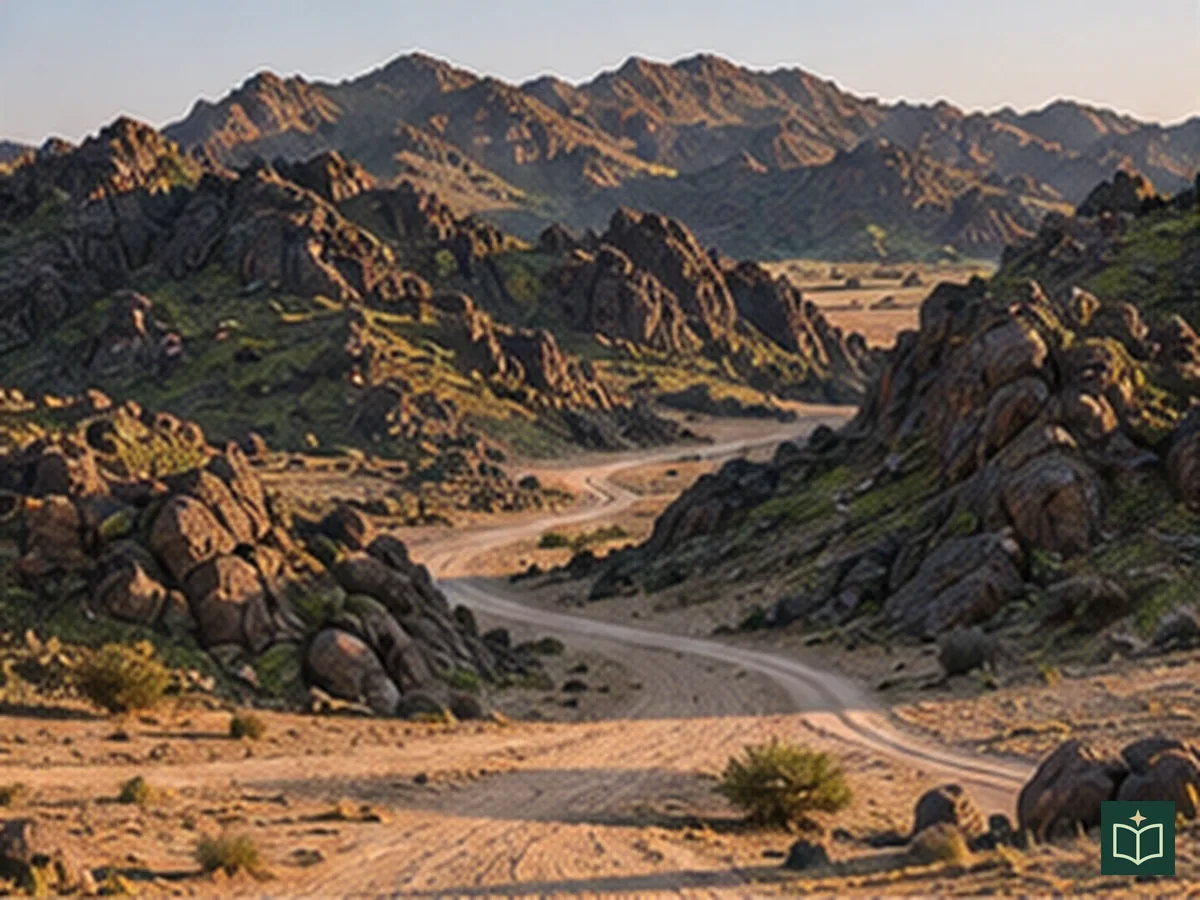
Different processes produced different deposits. On the ancient sea floor, hot springs vented metal-rich fluids that precipitated volcanogenic massive sulphide deposits, dense bodies rich in copper, zinc and sometimes gold and silver. Later, during collision and mountain building, fluids flowing along faults and shear zones deposited gold in quartz veins. Granite intrusions brought their own tin, tungsten and rare metals in places. Much of the shield is desert with little soil or vegetation, so these rocks lie bare at the surface. That makes them easier to map from aircraft and satellites, though many deposits remain buried beneath younger cover.
The cradle of gold
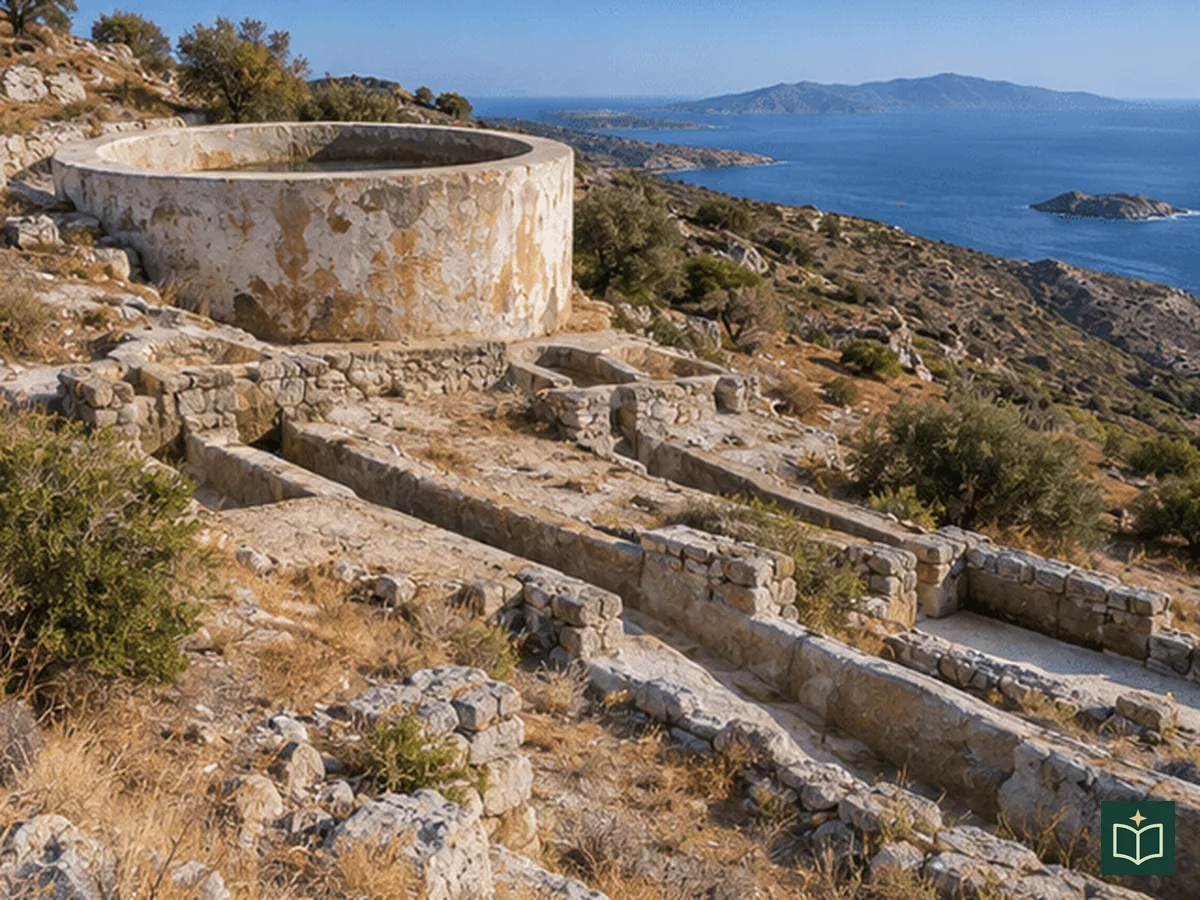
The best-known site is Mahd adh Dhahab, Arabic for cradle of gold, between Makkah and Madinah. Ancient workings, slag and tools show that gold was mined there around 3,000 years ago, and some writers have linked it to the biblical land of Ophir, though that connection is unproven. The site was worked again during the early Islamic and Abbasid periods. Surveys in the twentieth century re-examined the old pits, and a modern underground mine began producing gold, silver, copper and zinc in the late 1980s. It became a symbol of the idea that the shield's old mines still held value.
Modern mines and exploration
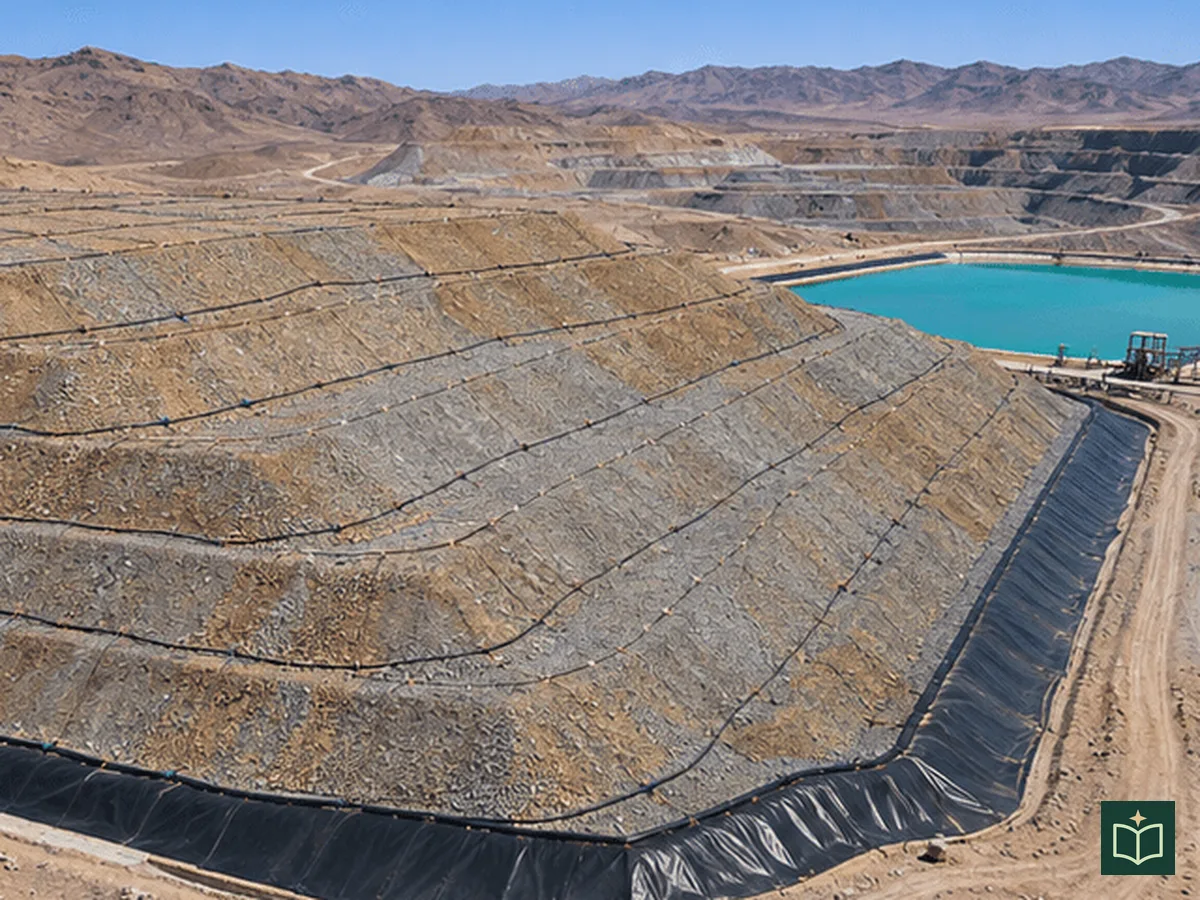
Since then, Saudi Arabia's state-backed mining company, Ma'aden, and its partners have opened further operations in the shield. These include open-pit gold mines and the Jabal Sayid underground copper mine, while Al Masane in the south produces copper and zinc. The Saudi Geological Survey has expanded mapping and released geological data to attract exploration companies. One clarification is useful: the kingdom's large phosphate and bauxite mines lie in younger sedimentary rocks of the north, beyond the shield's edge, not within the ancient crystalline rocks. The shield's role is in gold and base metals, with continuing interest in rare and battery metals.
Why it matters
Mining is one of the sectors named in Saudi Vision 2030 as a way to reduce dependence on oil revenues, and the shield is the main reason the kingdom is considered prospective for metals. Challenges remain: water is scarce for processing, many deposits are modest in size or grade, and remote sites need roads and power. Younger sediments and lava fields, the harrats, hide parts of the shield. Yet the same desert that makes mining difficult also makes geology unusually visible. For geologists, the shield is one of the best-exposed records anywhere of how continents grow by collecting islands.
Sources & further reading
Figures are rounded and widely published; check the linked organisations for the latest editions. These organisations do not endorse this website.