What fats are
Dietary fats are mostly triglycerides: molecules made of three fatty-acid chains attached to a glycerol backbone. Fatty acids are chains of carbon atoms with hydrogen atoms attached. The terms saturated and unsaturated describe those chains. In a saturated fatty acid, every carbon is joined to its neighbours by single bonds and carries as many hydrogen atoms as possible, so it is saturated with hydrogen. In an unsaturated fatty acid, at least one pair of carbons is joined by a double bond, meaning fewer hydrogens. One double bond makes a monounsaturated fat; two or more make a polyunsaturated fat. Real foods contain mixtures of all three types.
Why shape matters
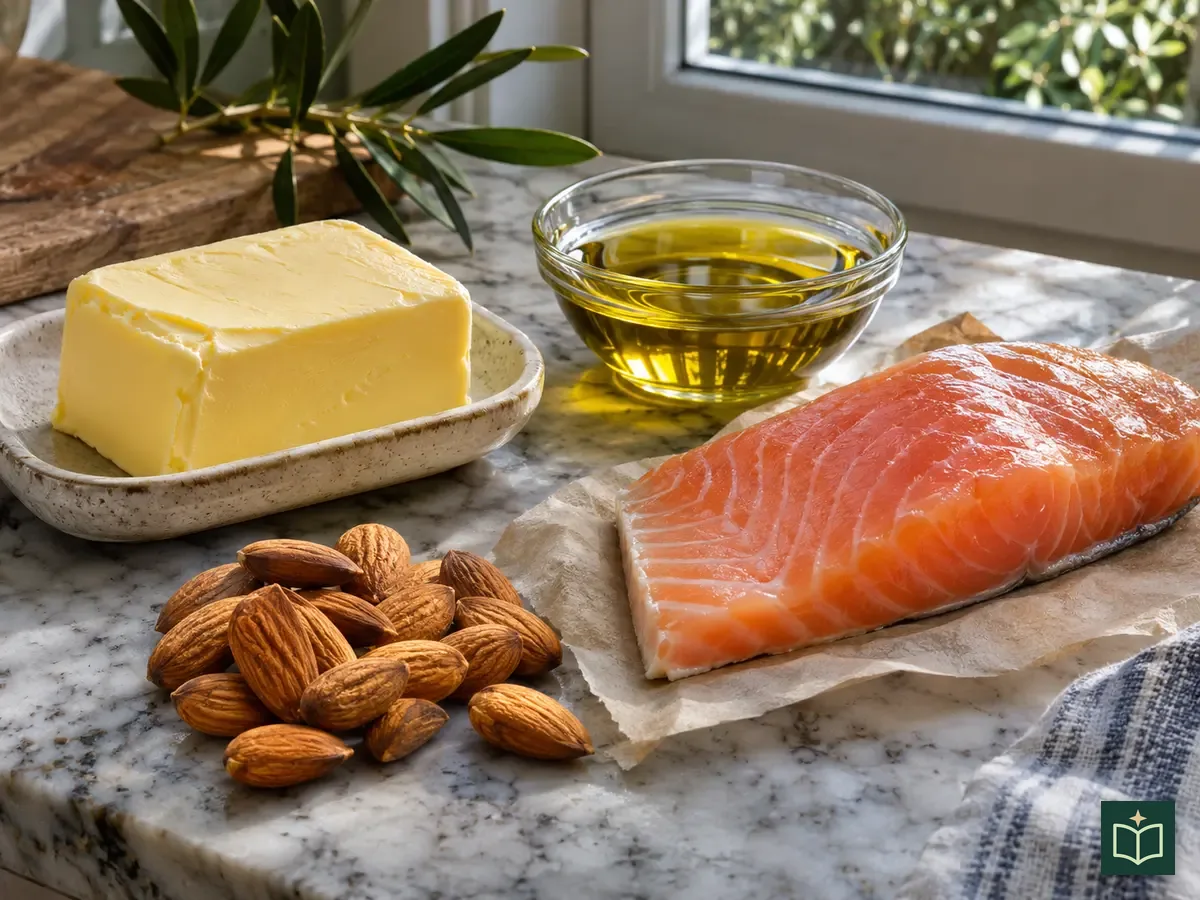
Saturated chains are straight, so they stack neatly, like pencils in a box. That tight packing makes saturated fats solid at room temperature, as with butter, ghee and the fat on meat. Most natural double bonds create a bend, called a cis configuration, which stops chains from packing closely, so unsaturated fats are usually liquid oils. Olive oil is rich in monounsaturated fat, while sunflower oil, nuts, seeds and oily fish provide polyunsaturated fats, including omega-3 and omega-6 fatty acids. Coconut and palm oil are exceptions among plant oils: they are high in saturated fat and become solid in cool conditions.
On the plate in the Gulf
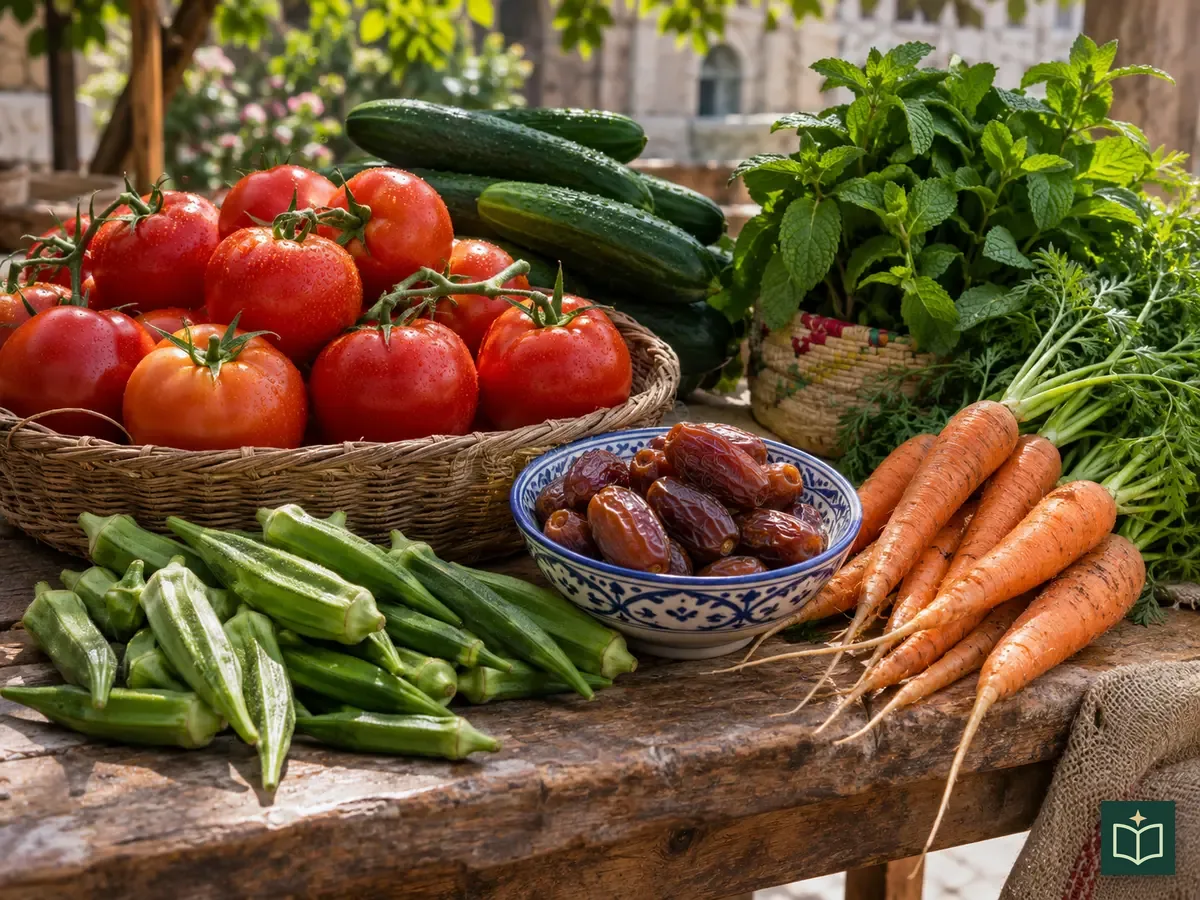
Traditional Gulf cooking uses a mix of fats. Ghee, called samn, is used in rice dishes and sweets and is rich in saturated fat. Lamb and camel meat contain both saturated and unsaturated fats, depending on the cut. Fish such as hammour and kingfish, a staple of coastal diets, provide unsaturated fats, while oily fish like sardines are good sources of omega-3s. Nuts, dates with tahini and olive oil in salads add unsaturated fats. Health authorities in the region, like the WHO, encourage cooking with vegetable oils in moderation and limiting fried foods and processed snacks. Portion size matters as much as the type of fat.
Where they are similar
Both types are fats, and both provide the same energy: about 9 kilocalories per gram, more than twice that of carbohydrates or protein. Both help the body absorb fat-soluble vitamins A, D, E and K, contribute to cell membranes and add flavour and texture to food. Both are digested and stored in the same way, and excess intake of either contributes to weight gain. Both occur naturally in many foods together; even olive oil contains some saturated fat, and butter contains some unsaturated fat. Labels show grams of each, which helps compare products, but the overall diet matters more than any single ingredient.
Health and misconceptions
Diets high in saturated fat tend to raise LDL cholesterol, which is linked to heart disease, and replacing some saturated fat with unsaturated fat, particularly polyunsaturated, is associated with lower risk. Industrially produced trans fats, created when oils are partially hydrogenated, behave like saturated fats and are worse for health, so the WHO has called for their elimination. A common misconception is that all fat is bad. Some fat is essential. Another is that plant oils are always healthy, which overlooks coconut and palm oil. This is general information, not personal advice; anyone with health concerns should speak to a doctor or dietitian.
Why it matters
Cardiovascular disease is a leading cause of death worldwide and in the Gulf, and diet is one of the factors people can influence. Understanding the difference between fats helps when reading nutrition labels, choosing cooking oils and planning meals. The science continues to develop, with researchers studying how the food in which a fat appears, such as dairy, nuts or processed meat, influences its effects. Public guidance generally emphasises overall dietary patterns, such as eating more vegetables, whole grains, fish and nuts, rather than focusing on a single nutrient. Knowing the chemistry behind the labels makes that guidance easier to follow.
Sources & further reading
- World Health Organization · Healthy diet ↗
- Harvard T.H. Chan School of Public Health · Types of fat ↗
- Britannica · Fat ↗
Figures are rounded and widely published; check the linked organisations for the latest editions. These organisations do not endorse this website.