How rips form
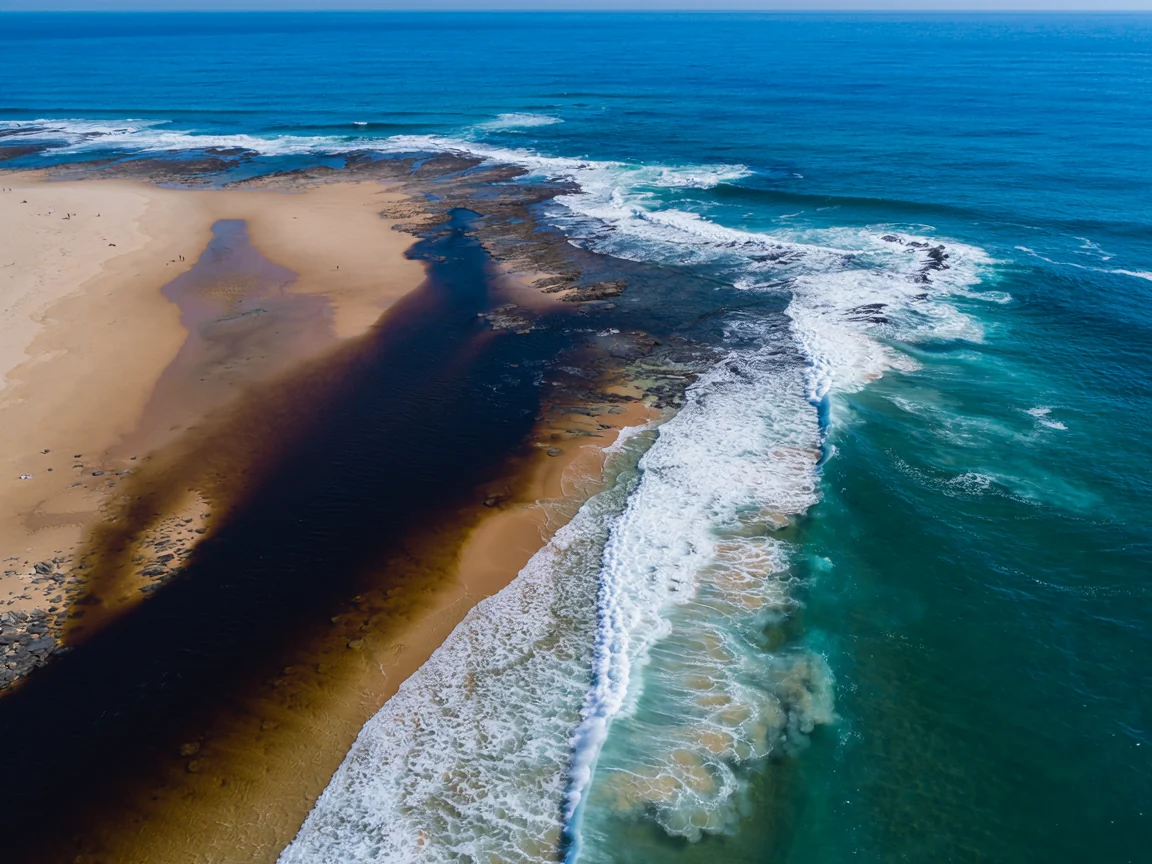
Breaking waves carry water towards the beach. That water has to flow back out to sea, and it does so through the easiest paths: gaps between sandbars, low points in the seabed or along piers and rocks. The outflow becomes concentrated into a narrow current, typically tens of metres wide.
How to spot one
A rip can look like the safest place to swim: a darker, calmer gap where waves are not breaking, sometimes with foam, seaweed or sandy water moving out to sea. Rips can appear on any beach with breaking waves, including lakes, and can move or change with the tide.
Why they are dangerous
Rips do not pull people under, but they can carry swimmers quickly away from the shore. Panicked swimmers often try to swim straight back against the current and become exhausted. Rip currents are a leading cause of rescues by lifeguards on surf beaches around the world.
How to escape
Stay calm and float to conserve energy. Swim parallel to the shore until you are out of the current, then swim back at an angle. If you cannot escape, wave and shout for help. If you see someone in trouble, call lifeguards or emergency services rather than swimming out yourself.
Sources & further reading
Safety information is general; always follow local lifeguard advice. Photograph: original AI-generated illustration (Adobe Firefly). Reference organisations do not endorse this website.