A grid in balance
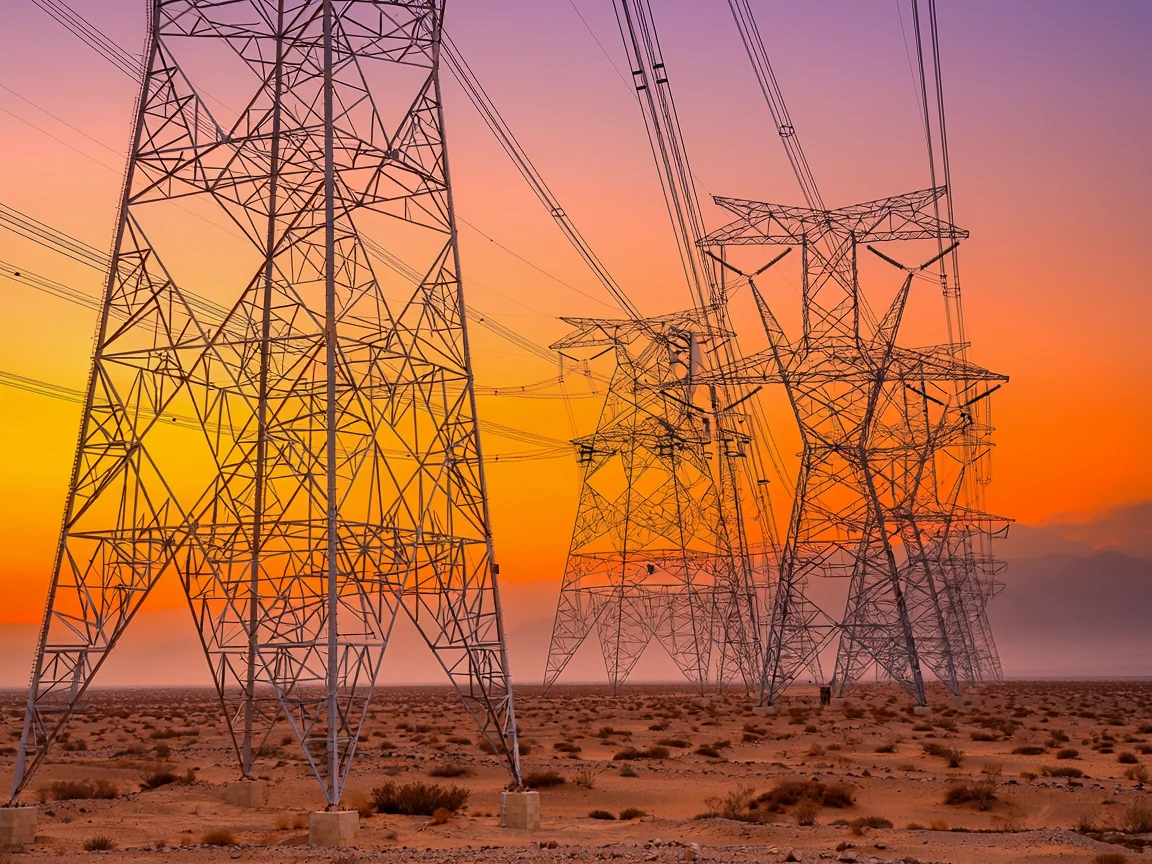
Electricity is mostly used the instant it is generated. If demand exceeds supply, generators slow slightly and the grid's frequency falls below its target, such as 50 hertz. Operators keep reserves ready—spare power plants, batteries, imports and customers who agree to cut use—to restore balance.
When reserves run out
During heatwaves, cold snaps, fuel shortages or after the sudden loss of large power plants, reserves may not be enough. To stop frequency falling so far that generators trip and the entire grid collapses, operators deliberately cut power to some areas. Automatic relays can also disconnect blocks of customers within seconds.
Rotating the pain
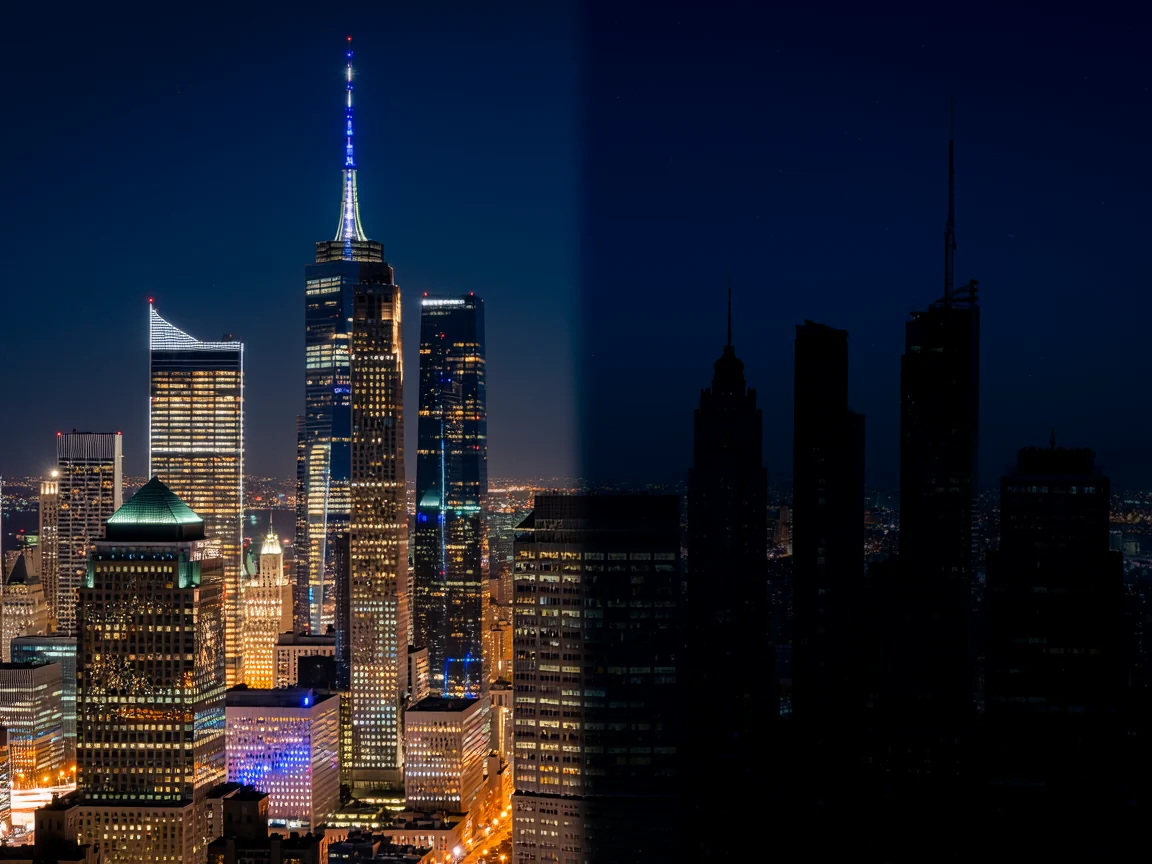
Rolling blackouts divide customers into blocks that lose power in turn, often for one to a few hours, according to a published schedule. Hospitals and critical services are usually protected. South Africa's long-running load shedding and outages in Texas in 2021 and California in 2020 are well-known examples.
Avoiding them
Long-term solutions include building enough firm capacity, connecting grids, storing energy in batteries and pumped hydro, improving fuel supply, and encouraging demand flexibility, such as smart thermostats that ease off at peak times. Clear communication helps households and businesses prepare when cuts are unavoidable.
Sources & further reading
Frequency thresholds are illustrative; grid codes differ. Photograph: original AI-generated illustration (Adobe Firefly). Reference organisations do not endorse this website.