A name from Sudan
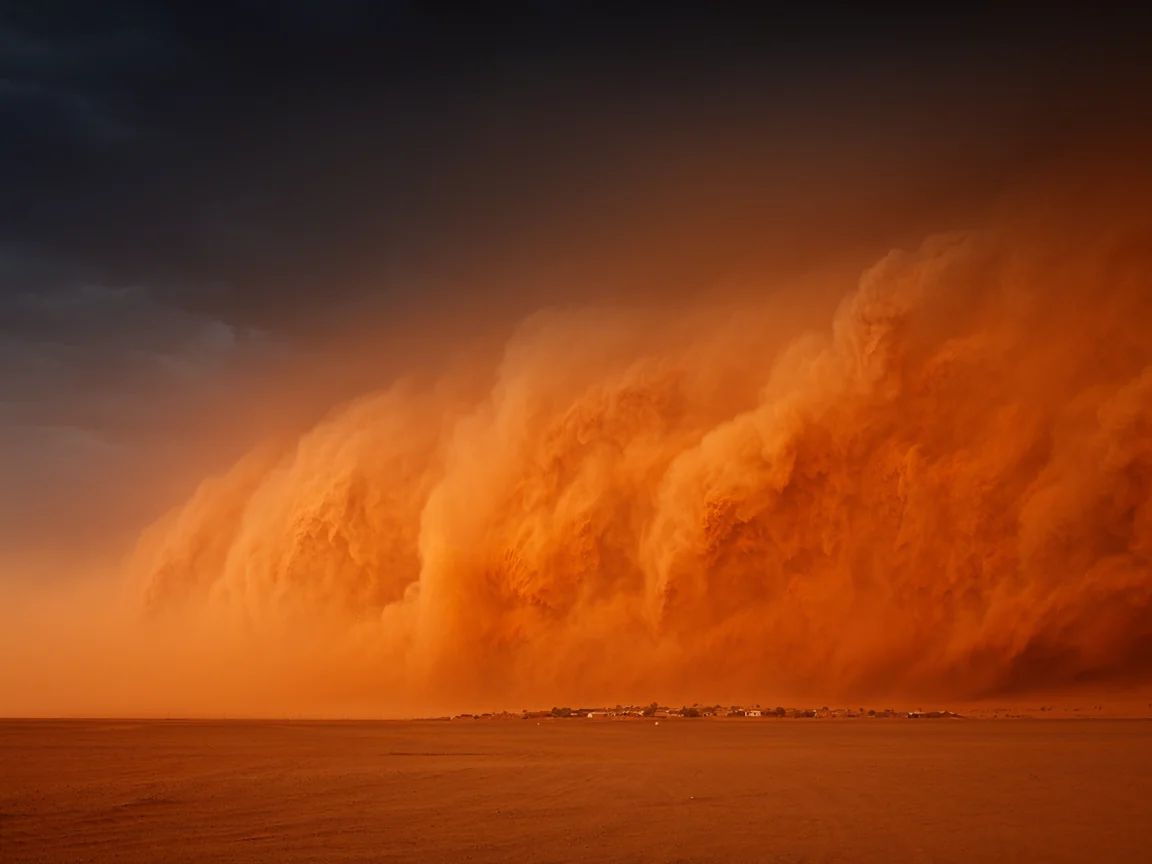
Haboob comes from the Arabic word for strong wind and was first used for the dust storms of Sudan, around Khartoum. Similar storms sweep the Arabian Peninsula, the Sahara, Australia's interior and the deserts of Arizona and Texas, mostly during hot seasons when thunderstorms develop over dry ground.
How the wall forms
As a thunderstorm matures, falling rain partly evaporates in dry air below the cloud, cooling it sharply. The heavy, cold air plunges to the ground and spreads out as a gust front that can exceed 50 kilometres an hour. Over bare desert, it scoops up dust and sand into a dense rolling wall.
Danger on the road
Visibility can drop to near zero in seconds, causing multi-car crashes on highways. Fine dust irritates lungs and eyes and can carry fungal spores. Authorities in several countries advise drivers to pull off the road, switch off lights so others do not follow them, and keep their foot off the brake.
After the dust
A haboob usually passes within an hour, sometimes followed by a short burst of rain. The dust it carries fertilises distant oceans and rainforests—Saharan dust even helps nourish the Amazon. Satellites and weather radar now help forecasters issue dust storm warnings.
Sources & further reading
Values are typical; individual storms vary. Photograph: original AI-generated illustration (Adobe Firefly). Reference organisations do not endorse this website.