A misleading name
The rare earth elements are 17 metals: the 15 lanthanides, from lanthanum to lutetium, plus scandium and yttrium. The name dates from the late eighteenth and nineteenth centuries, when chemists isolated them from unusual minerals, many first found near the village of Ytterby in Sweden, which gave its name to four elements. Earth was an old word for an oxide. In fact, most rare earths are not especially rare in Earth’s crust. Cerium, the most abundant, is about as common as copper, and even the scarcer ones are more common than gold. The difficulty is that they rarely concentrate into deposits that are rich and easy to process.
Why separation is hard
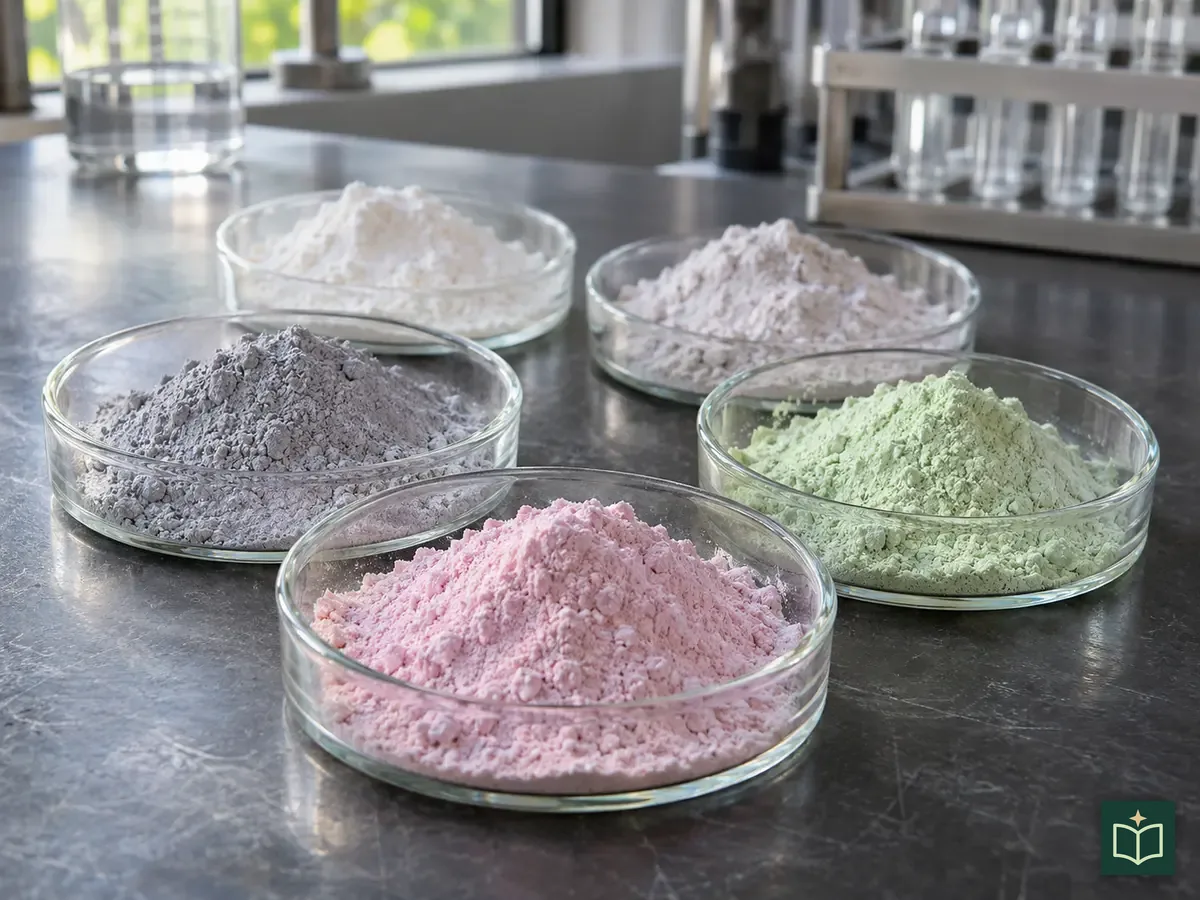
Rare earths behave almost identically in chemical reactions, because their outer electrons are arranged in very similar ways. Nature therefore mixes them together in the same minerals, such as bastnäsite and monazite, and chemists cannot easily pull them apart. The standard industrial method, solvent extraction, passes solutions back and forth between water and organic liquids, exploiting tiny differences in how strongly each element moves between them. Separating a mixture into pure individual elements can require hundreds of stages arranged in long cascades. The process demands expertise, chemicals, careful waste management and years to establish, which is why the separation step, rather than mining, is often the main bottleneck.
Magnets that move the world
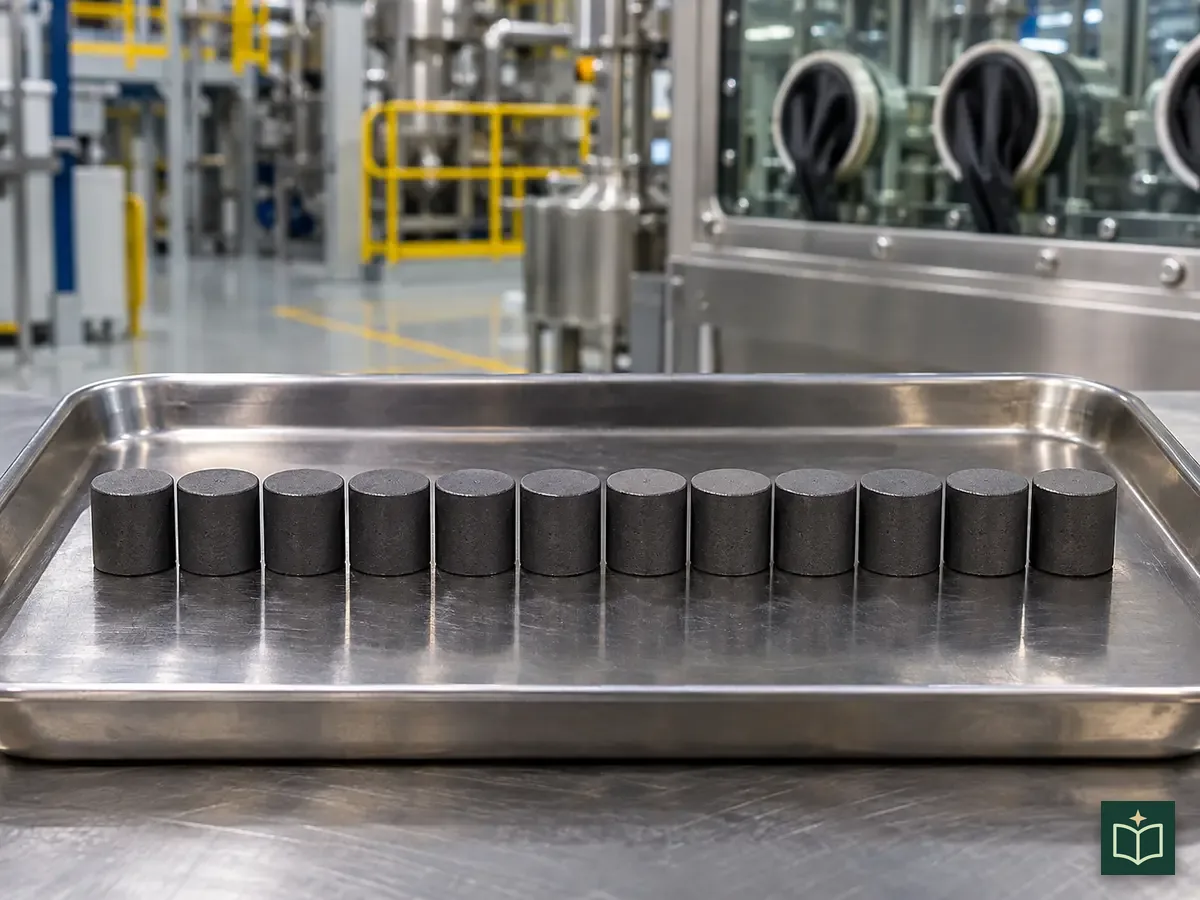
The most valuable use of rare earths today is in permanent magnets. Neodymium-iron-boron magnets, developed in the early 1980s, are the strongest commercially available permanent magnets, allowing powerful motors and generators to be small and light. They are found in electric vehicle motors, many wind turbines, hard disk drives, headphones, phone speakers and industrial robots. Small amounts of dysprosium or terbium help these magnets keep their strength at high temperatures. Other rare earths have different roles: europium and terbium in display phosphors, cerium in glass polishing and catalytic converters, lanthanum in oil-refining catalysts, and erbium as an amplifier in fibre-optic communication cables.
How supply became concentrated
For several decades, the Mountain Pass mine in California was the world’s leading source of rare earths. From the 1980s onwards, China expanded production rapidly, especially from the Bayan Obo deposit in Inner Mongolia, as well as from clay deposits in the south that contain valuable heavy rare earths. Lower costs, less stringent environmental controls at the time and long-term industrial policy allowed China to dominate both mining and, especially, separation and magnet manufacturing. China has at times restricted exports, notably around 2010, prompting other countries to restart or develop projects. The International Energy Agency has reported that China accounts for the large majority of global rare earth refining.
Environmental challenges
Rare earth processing can be environmentally demanding. Ores often contain radioactive thorium and uranium, which must be separated and safely stored. The acids and solvents used in processing create waste streams that require careful treatment, and poorly regulated operations in the past caused serious pollution of land and water. Extracting rare earths from southern Chinese clays has involved injecting chemicals into hillsides, with risks to groundwater and landslides. These experiences have shaped regulation and public debate wherever new projects are proposed. Recycling rare earths from magnets in old motors and electronics is technically possible, but it currently supplies only a small fraction of demand because collection and disassembly are difficult.
What to watch
Governments now treat rare earths as strategic materials. Australia, the United States, several European countries and others are developing mines, separation plants and magnet factories, often with public funding, while researchers explore magnet designs that use fewer rare earths. Gulf states have also shown interest in investing in processing capacity abroad and at home. Building a complete supply chain outside China takes time, because each stage, from mining to separation to metal-making to magnet production, requires specialised skills. The story of rare earths is ultimately one of chemistry and industrial capacity: the elements are widely available, but turning them into usable products remains a demanding craft.
Sources & further reading
Figures are rounded and widely published; check the linked organisations for the latest editions. These organisations do not endorse this website.