Carbon with a clock
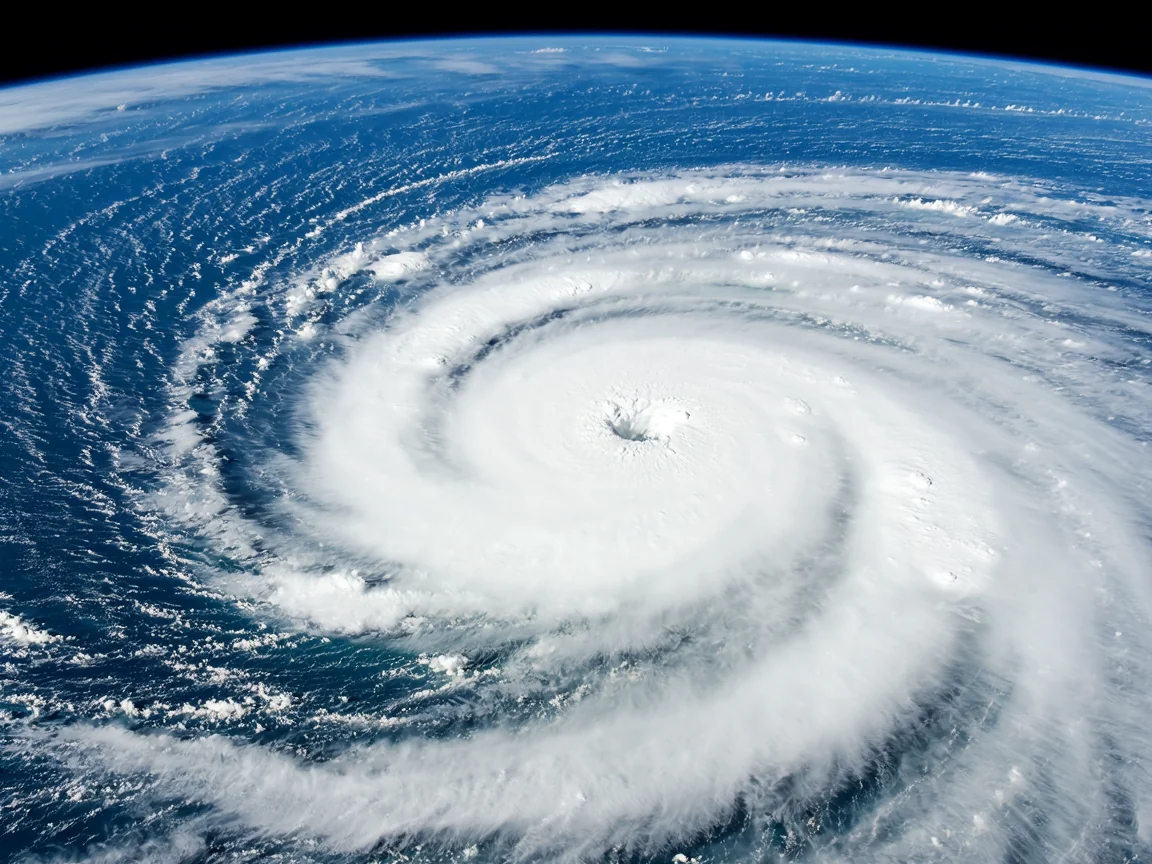
Cosmic rays striking the upper atmosphere turn nitrogen into carbon-14, a radioactive form of carbon. It mixes into carbon dioxide, plants absorb it during photosynthesis, and it passes along food chains. While an organism lives, its carbon-14 level matches that of the atmosphere.
Decay after death
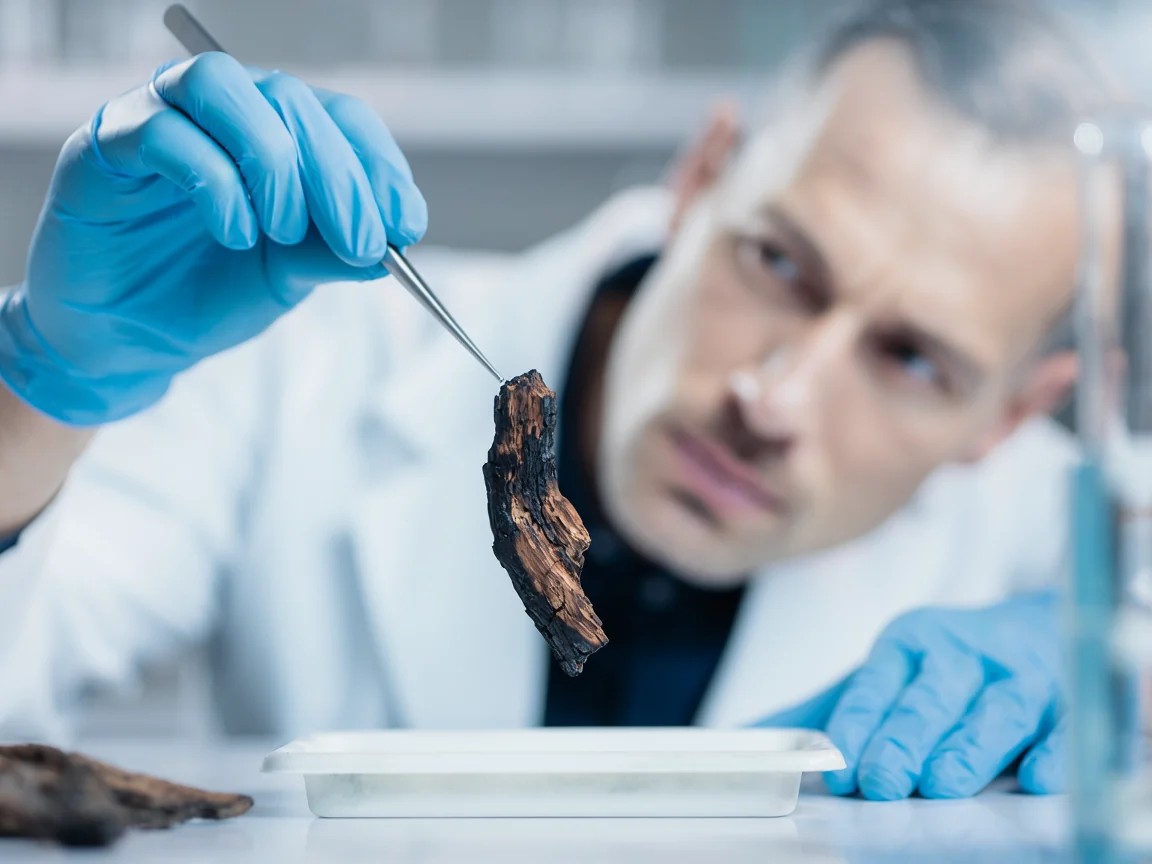
When the organism dies, it stops taking in carbon. The carbon-14 it contains decays back to nitrogen with a half-life of about 5,730 years. By comparing the remaining carbon-14 with stable carbon-12, scientists can calculate how long ago death occurred.
Calibration
Atmospheric carbon-14 has not been perfectly constant, so raw radiocarbon ages are calibrated against records of known age, such as tree rings, cave formations and lake sediments. Modern accelerator mass spectrometry counts individual atoms, allowing tiny samples like a single seed to be dated.
A revolution in history
Willard Libby developed the method in the late 1940s and received the 1960 Nobel Prize in Chemistry. It transformed archaeology by giving absolute dates to prehistoric sites. Its range ends at roughly 50,000 years; older material and rocks are dated with other radioactive clocks such as potassium–argon.
Sources & further reading
Simplified explanation; real dates are reported with uncertainty ranges after calibration. Photograph: original AI-generated illustration (Adobe Firefly). Reference organisations do not endorse this website.