A family of six
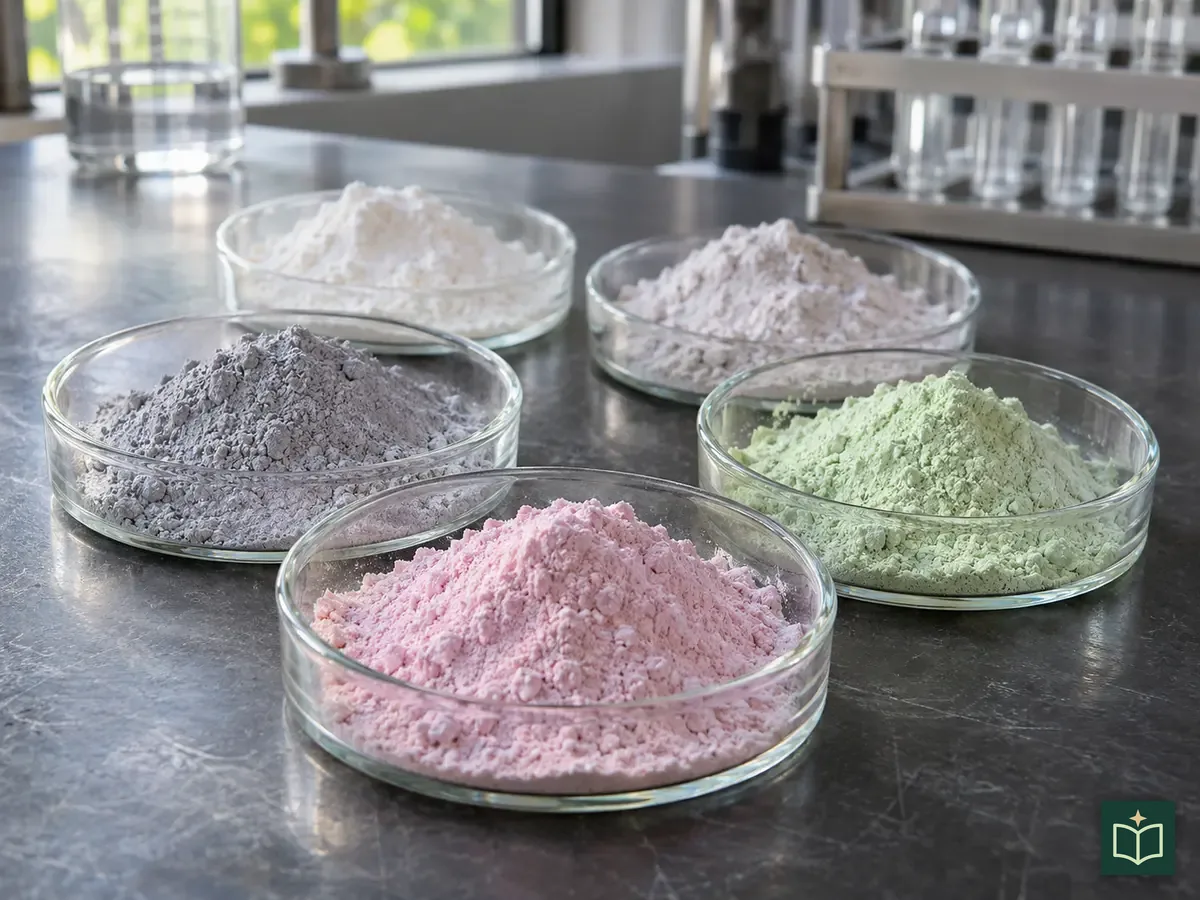
The platinum-group metals, often shortened to PGMs, are six elements that sit together in the periodic table and share many properties: platinum, palladium, rhodium, ruthenium, iridium and osmium. They are dense, resistant to corrosion and heat, and exceptionally good at catalysing chemical reactions. All are rare in Earth’s crust, rarer than gold in most cases, and they usually occur together in the same deposits. Platinum was known to Indigenous metalworkers in South America before European chemists studied it in the eighteenth century; its name comes from the Spanish platina, little silver. Palladium and rhodium were identified in the early 1800s by William Hyde Wollaston, while purifying platinum ore in London.
Where they come from
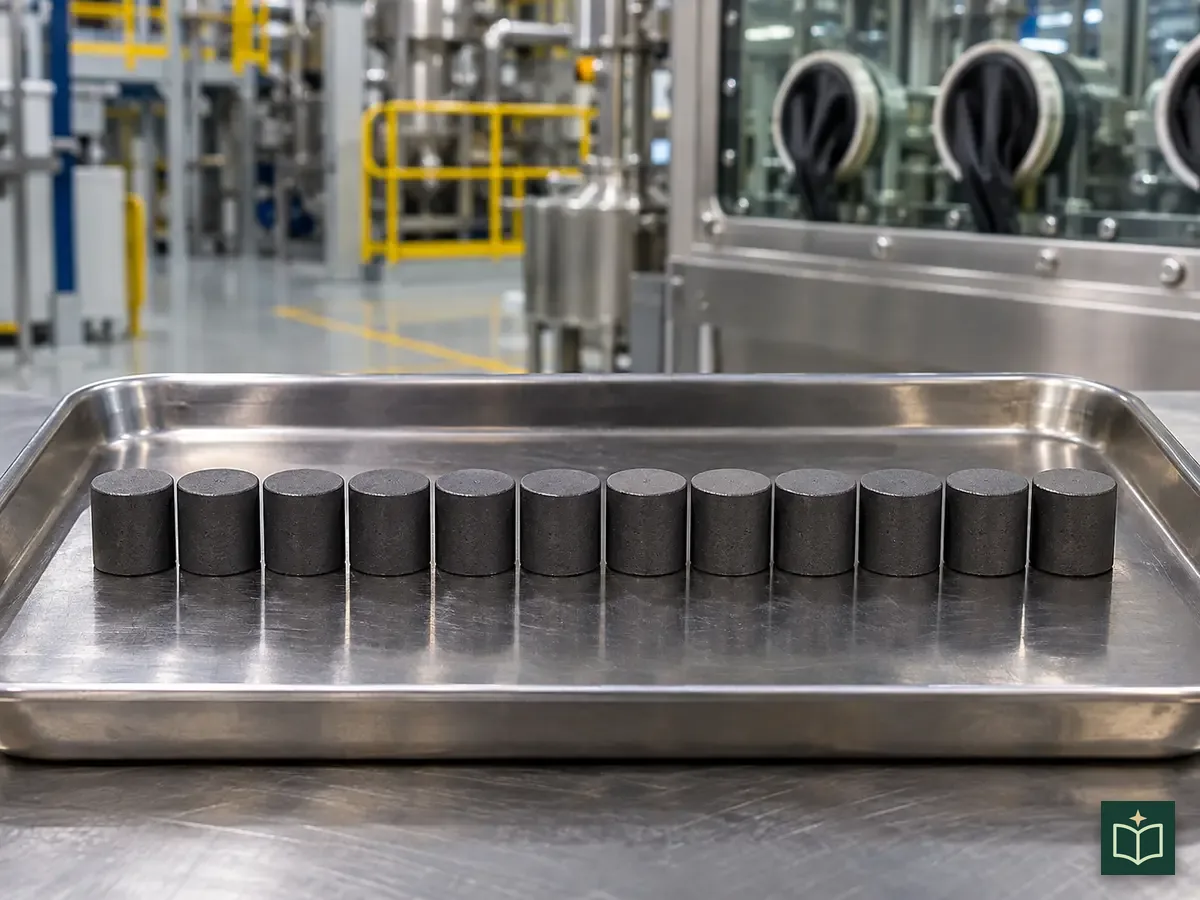
Production is highly concentrated. South Africa’s Bushveld Complex, a vast layered intrusion of ancient igneous rock north of Pretoria, holds the world’s largest known PGM resources and supplies the majority of mined platinum and rhodium. Russia, mainly from the Norilsk area in the Arctic, is the largest single source of palladium, recovered alongside nickel and copper. Zimbabwe, Canada and the United States contribute smaller amounts. Bushveld mines often work narrow reefs at considerable depth, which makes production labour-intensive and costly. Refining is complex too, because the six metals must be separated from one another, as well as from nickel and copper, using a long sequence of chemical steps.
The catalytic converter
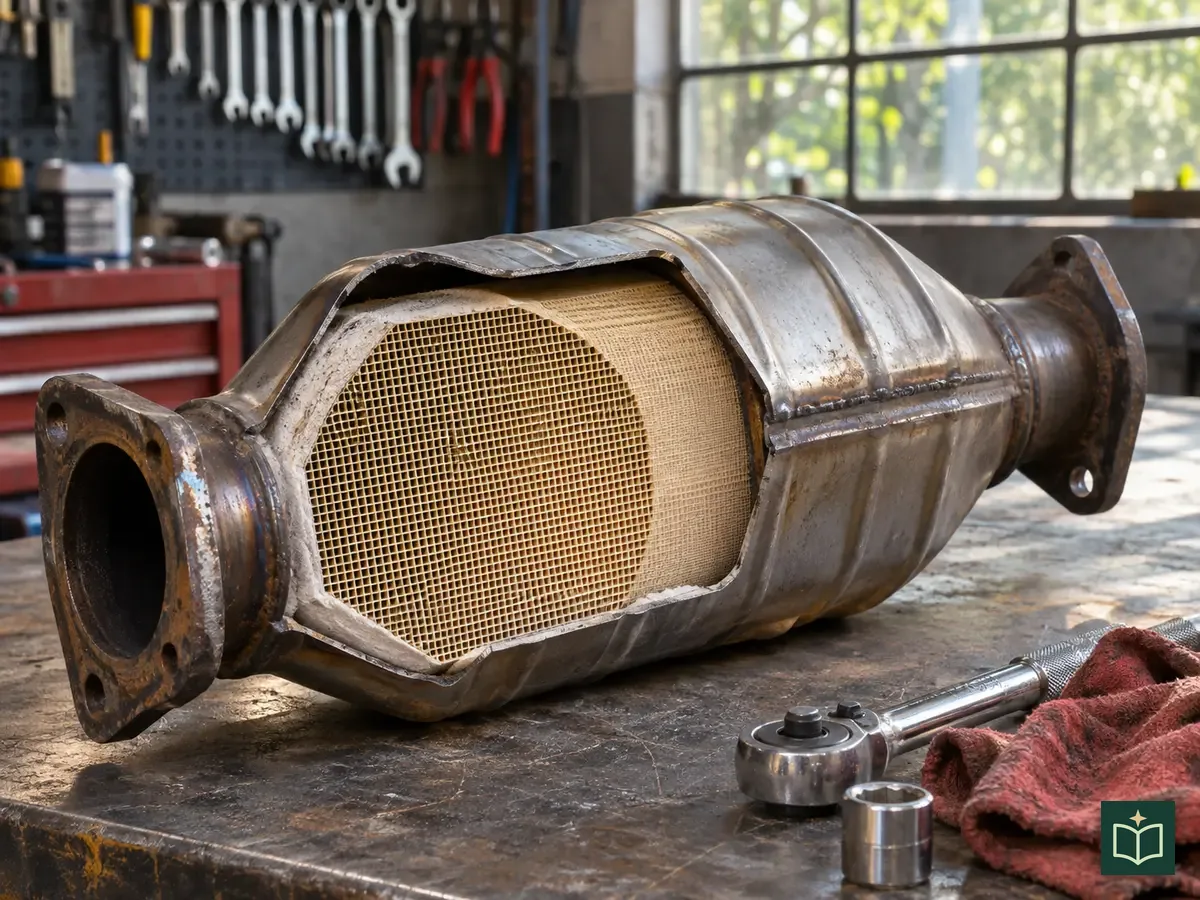
The largest use of platinum and palladium, and of most rhodium, is in vehicle catalytic converters, which were introduced widely in the United States from 1975 to meet new emissions rules and later spread worldwide. Inside the converter, a ceramic honeycomb is coated with a thin layer containing tiny particles of these metals. As exhaust gases flow through, the metals help carbon monoxide and unburnt hydrocarbons react with oxygen to form carbon dioxide and water, while rhodium helps convert nitrogen oxides into nitrogen. Palladium has been widely used in petrol vehicles and platinum in diesel ones, although manufacturers adjust the mix according to cost and performance requirements.
Beyond the exhaust
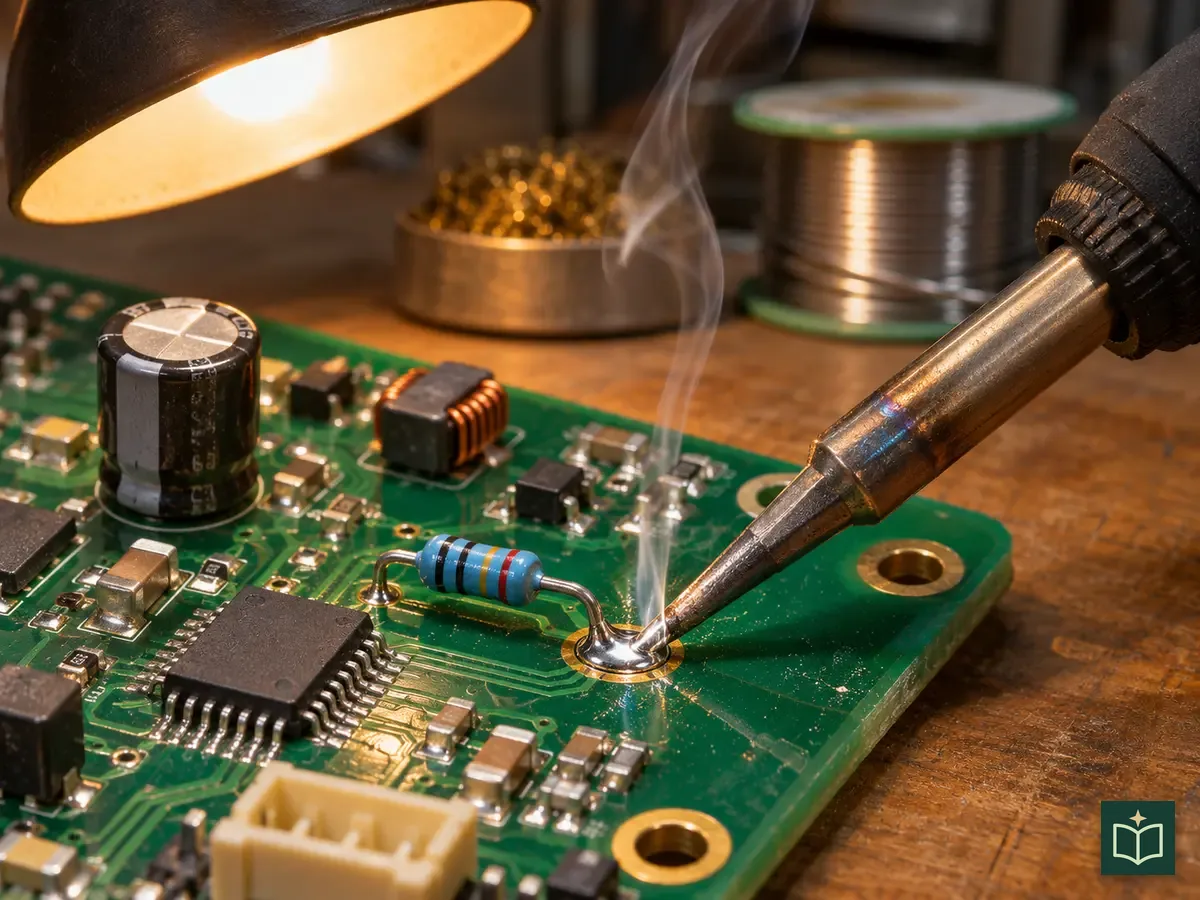
PGMs have many other roles. Platinum is used in jewellery, typically at 95% purity, and in glass-fibre manufacturing, oil refining and the production of nitric acid, where platinum-rhodium gauzes catalyse a key reaction. Palladium appears in electronics, dentistry and chemical processes. Iridium, among the most corrosion-resistant elements known, is used in spark plugs and crucibles. PGMs also feature in clean-energy technology: proton-exchange membrane fuel cells use platinum catalysts, and the related electrolysers that split water into hydrogen use platinum and iridium. Interest in hydrogen, including in Gulf countries planning large hydrogen projects, has therefore drawn attention to how much of these metals future systems might need.
Recycling and substitution
Because PGMs are expensive and concentrated in a few countries, industries work hard to use less of them and to recover what they use. Spent catalytic converters are collected, crushed and processed to recover platinum, palladium and rhodium, and recycling supplies a substantial share of annual demand. Manufacturers continually refine catalyst designs to achieve the same performance with smaller loadings. When the price of one metal rises sharply relative to another, carmakers may substitute partially, for example swapping some palladium for platinum. Such shifts take time, because each design must be tested and certified to meet emissions standards. Theft of catalytic converters has become a problem in some countries for the same reason.
What to watch
The future of PGM demand is closely tied to the vehicle fleet. Battery electric cars have no exhaust and therefore no catalytic converter, so their growth reduces demand over time, while hybrids still use converters. Tighter emissions rules can increase loadings per vehicle. On the supply side, attention focuses on electricity reliability and mining costs in South Africa and on trade policies affecting Russian metal. Hydrogen technologies could add new demand, depending on how quickly they scale. This explainer is educational and offers no investment advice. The PGMs show how a few rare elements can become indispensable to everyday technologies most people never see.
Sources & further reading
Figures are rounded and widely published; check the linked organisations for the latest editions. These organisations do not endorse this website.