The one question to ask
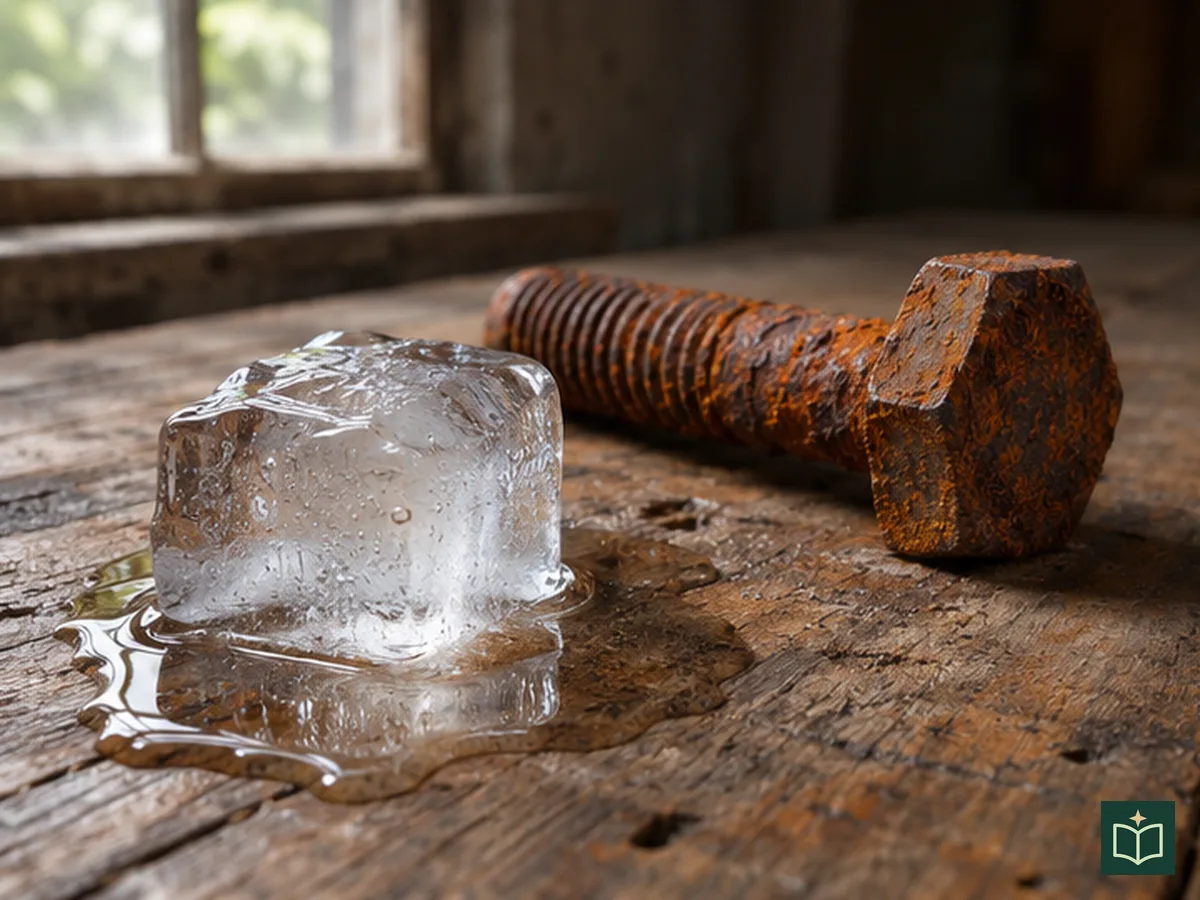
Every change to matter can be sorted by a single question: is the substance still the same chemical afterwards? When ice melts, it becomes liquid water, but every molecule is still two hydrogen atoms bonded to one oxygen atom. Only the arrangement and movement of the molecules has changed, so melting is a physical change. When iron rusts, iron atoms combine with oxygen and water to form hydrated iron oxide, a different substance with different properties. That is a chemical change. Cutting, bending, dissolving, freezing and boiling are physical; burning, rusting, cooking and digesting are chemical, because bonds between atoms are broken and new ones formed.
Signs of a chemical change
Because molecules are invisible, chemists look for clues. A chemical change often produces a gas that was not there before, such as the bubbles when baking soda meets vinegar. It may cause a lasting colour change, like a cut apple browning, or release heat and light, as in a burning match. A solid called a precipitate can appear when two clear solutions are mixed. A new smell is another hint, which is why spoiled milk is easy to detect. None of these clues is proof on its own, since boiling also makes bubbles and some physical changes alter colour, but several together are a strong indication.
Why reversibility misleads
Many textbooks say physical changes can be reversed and chemical changes cannot. It is a useful rule of thumb, but it breaks down quickly. Dissolving sugar in tea is a physical change, and evaporating the water brings the sugar back. Yet shattering a glass is also physical, and no one can easily reassemble it. Meanwhile some chemical changes are routinely reversed: charging a phone battery drives the chemical reactions that discharging ran in the opposite direction. Cooking an egg, by contrast, is a chemical change that cannot be undone, because heat permanently rearranges the proteins. The better test is always the identity of the substance, not whether the change can be undone.
Rust: a slow chemical change
Rusting is one of the most familiar chemical changes and one of the most costly. Iron reacts with oxygen in the presence of water to form iron oxides, and salt speeds the process by helping electric currents flow between different parts of the metal surface. That is why corrosion is a constant battle in coastal cities such as Dubai and Abu Dhabi, where warm, humid, salty air reaches steel structures and the reinforcing bars inside concrete. Rust takes up several times the volume of the iron it replaces, so as it forms inside concrete it pushes outwards, cracking the material from within. Paint, galvanising and careful design all aim to keep water and oxygen away from the steel.
Tricky cases
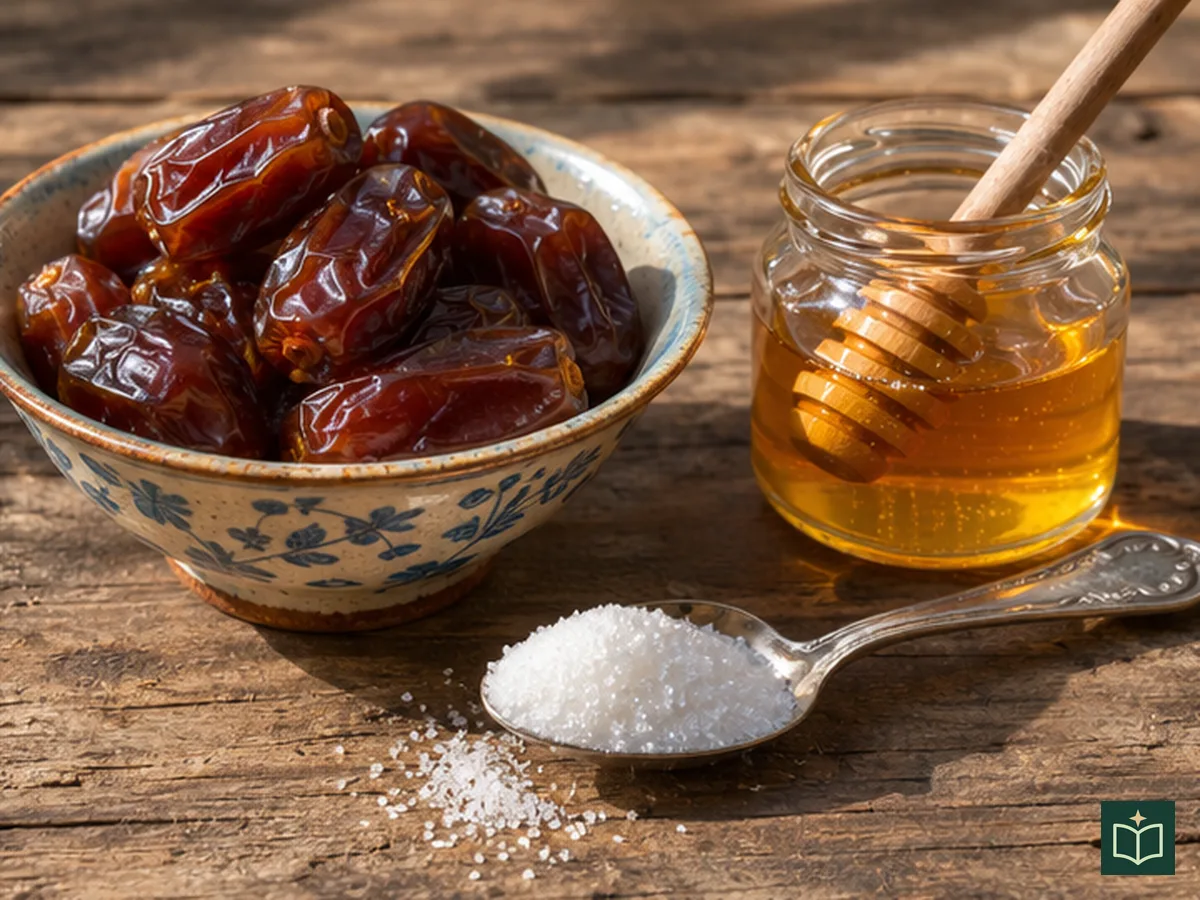
Some changes sit close to the boundary. When table salt dissolves in water, the sodium and chloride ions separate and become surrounded by water molecules, which sounds chemical, but no new substance is made and evaporation returns the same salt, so it is usually classed as physical. Mixing two liquids can release heat without any reaction. Even the boiling of water involves breaking the weak attractions between molecules, though not the strong bonds within them. Chemists distinguish between these weaker forces, which change in physical processes, and the chemical bonds holding atoms together inside molecules, which must break and reform for a chemical change to happen.
Why the distinction matters
Knowing which kind of change is happening explains much of daily life. Freezing food preserves it because it is a physical change that slows the chemical reactions of spoilage. Cooking makes food digestible through chemical changes to starches and proteins. Fire safety relies on understanding combustion, the chemical reaction between fuel and oxygen. Industry depends on controlling chemical change, from refining oil to making fertiliser, while recycling metals often relies on physical changes such as melting. In every case, mass is conserved: the atoms present at the start are still there at the end, simply arranged differently. That rule, first shown experimentally by Antoine Lavoisier, underpins all of modern chemistry.
Sources & further reading
Figures are rounded and widely published; check the linked organisations for the latest editions. These organisations do not endorse this website.