A discovery at 3,210 metres
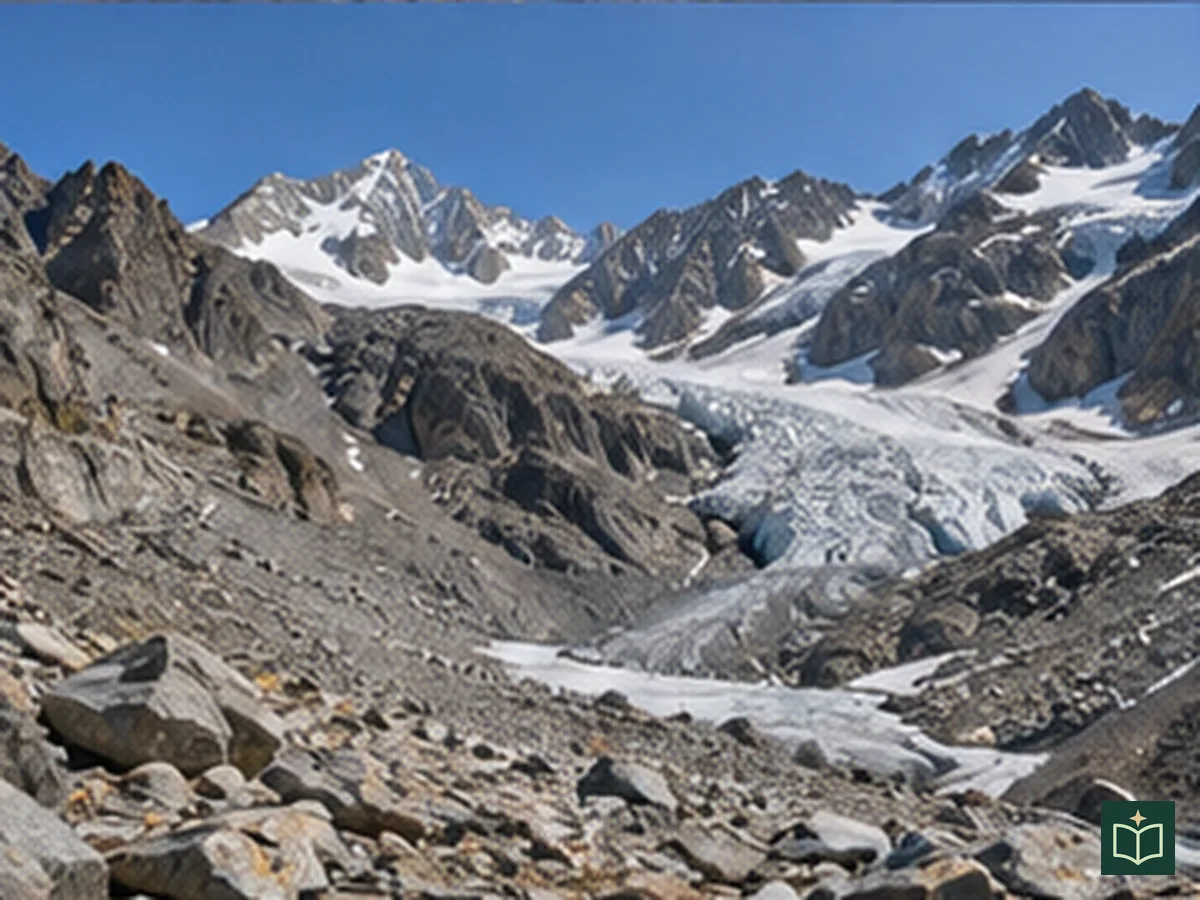
On 19 September 1991, two German hikers crossing a pass in the Ötztal Alps, on the border between Austria and Italy, noticed a brown shape emerging from melting ice in a rocky gully at about 3,210 metres. At first they assumed it was a recently dead mountaineer. Only after the body had been roughly freed from the ice, with some damage, did experts realise it was thousands of years old. Surveyors then found that the spot lay just inside Italy, by around 90 metres, so the Iceman went to Bolzano in South Tyrol. He was nicknamed Ötzi after the valley. Radiocarbon dating placed his death about 5,300 years ago.
The man himself
Ötzi was about 1.60 metres tall, weighed perhaps 50 kilograms and was around 45 years old when he died, a mature age for his time. His body was naturally mummified by cold and ice. More than 60 tattoos, mostly groups of short lines and small crosses, were made by rubbing soot into cuts. Many lie over joints and the lower back, where he had wear and tear, so some researchers think they were a form of therapy. Genetic analysis shows that his ancestors were largely early farmers who had spread into Europe from Anatolia. A 2023 study suggested he had darker skin than earlier reconstructions showed, and was probably balding.
Clothing for the mountains
His clothes are the most complete prehistoric outfit found in Europe. He wore a coat stitched from strips of sheep and goat hide, leggings of goat leather, a loincloth of sheepskin and a bearskin cap with a chin strap. His shoes had bearskin soles and deerskin uppers, with a netting of grass inside and hay stuffed in for insulation. A mat of woven grass may have served as a cape or bedding. Analysis of the hides shows that people of his time selected different animals for different garments, choosing materials with care. Everything was sewn with sinew and repaired, sometimes roughly, in places, suggesting an outfit that saw hard use.
A Copper Age tool kit
Ötzi carried an extraordinary kit. His axe had a yew handle and a blade of almost pure copper, a high-status object at the time; analysis traced the copper to southern Tuscany. He had an unfinished yew longbow taller than himself, a quiver with 14 arrows, only two of them ready to shoot, and a small flint dagger with an ash handle in a woven sheath. A belt pouch held flint tools and tinder fungus for starting fires. He also carried two pieces of birch fungus on leather strips, which some think he used as medicine. Birch-bark containers, one possibly carrying embers wrapped in maple leaves, completed his equipment.
Diet and health
Ötzi’s stomach and intestines preserved his last meals. Analyses show he ate ibex meat with a lot of fat, einkorn wheat, an early cultivated grain, and traces of bracken, which may have entered with food or as a remedy. Pollen in his gut suggests he died in spring or early summer, after moving between valley and mountain in his last day or two. His body tells of a hard life: worn joints, healed rib fractures, whipworm eggs in his gut, and hardened arteries. His DNA revealed a genetic predisposition to heart disease, lactose intolerance and traces of bacteria linked to Lyme disease. Tooth decay and gum disease also troubled him.
How he died
For ten years Ötzi was thought to have died of cold or exhaustion. In 2001 an X-ray revealed a flint arrowhead lodged in his left shoulder. It had torn an artery, and he probably bled to death within a short time. He also had a head injury, possibly from a fall or a blow, and a recent deep cut on his hand, perhaps from a fight days earlier. Who shot him and why is unknown, though the copper axe left beside him suggests robbery was not the motive. Today he lies in a cold cell at the South Tyrol Museum of Archaeology, kept at about minus 6°C and very high humidity.
Sources & further reading
Figures are rounded and widely published; check the linked organisations for the latest editions. These organisations do not endorse this website.