From OPEC to OPEC+
The Organization of the Petroleum Exporting Countries was founded in 1960 to give producing countries more control over their oil, then dominated by Western companies. Membership has changed over the years. In 2016, OPEC formed a wider alliance with other producers, including Russia, Kazakhstan and Mexico, known as OPEC+.
How cuts and quotas work
When ministers expect supply to exceed demand, they may agree to reduce output to support prices; when markets are tight, they may raise it. Each country gets a target based on a reference level. Saudi Arabia, with large spare capacity, often plays the role of swing producer. Compliance varies, and some members exceed their quotas.
Influence and limits
OPEC+ countries together account for a large share of world crude production and an even larger share of proven reserves. But prices also depend on global demand, economic growth, inventories, refinery capacity, geopolitical disruptions and output from non-members such as US shale producers, which can respond to higher prices within months.
Why it matters at home
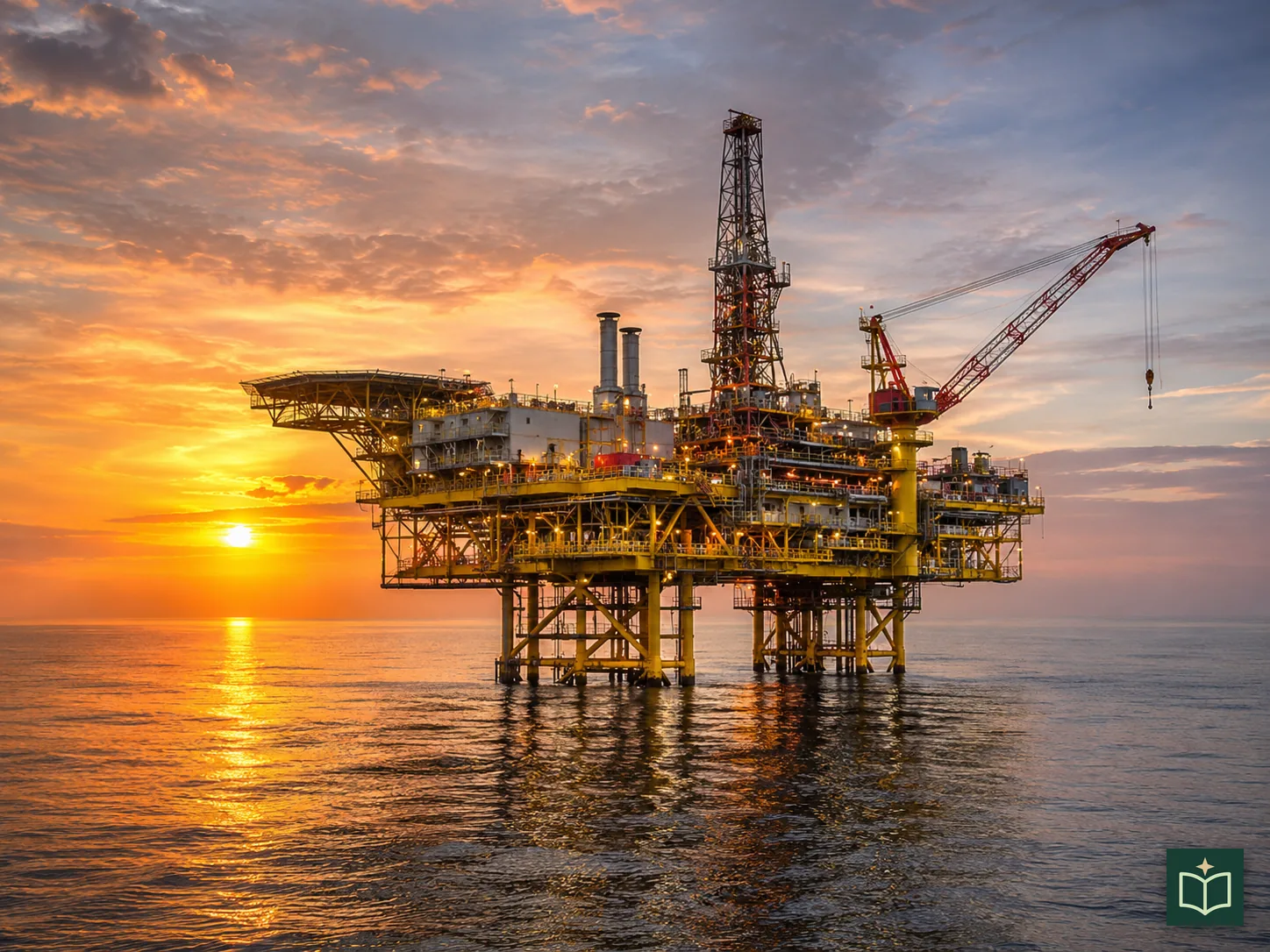
Oil prices feed into petrol and diesel costs, airline tickets, shipping and the price of plastics and fertiliser. For exporters such as the UAE and Saudi Arabia, oil revenues shape government budgets and investment plans. Members also debate how fast demand will change as electric vehicles and renewable energy spread.
Sources & further reading
Figures are rounded and widely published; check the linked organisations for the latest editions. These organisations do not endorse this website.