After the Second World War
Millions of people were displaced in Europe during and after the Second World War. The UN High Commissioner for Refugees (UNHCR) was created in 1950, and the 1951 Refugee Convention set a legal definition. A 1967 Protocol removed the original time and geographic limits, making the framework global.
Who counts as a refugee
Under the Convention, a refugee is someone outside their country who has a well-founded fear of persecution because of race, religion, nationality, membership of a particular social group or political opinion. Regional agreements in Africa and Latin America broaden this to include people fleeing generalised violence. Economic migrants are not refugees under the Convention.
Non-refoulement
The cornerstone principle is non-refoulement: states must not return refugees to a territory where their life or freedom would be threatened. It is widely regarded as part of customary international law, binding even on countries that have not signed the Convention. Some Gulf states, including the UAE, have not signed it but host displaced people under national arrangements.
Where refugees live
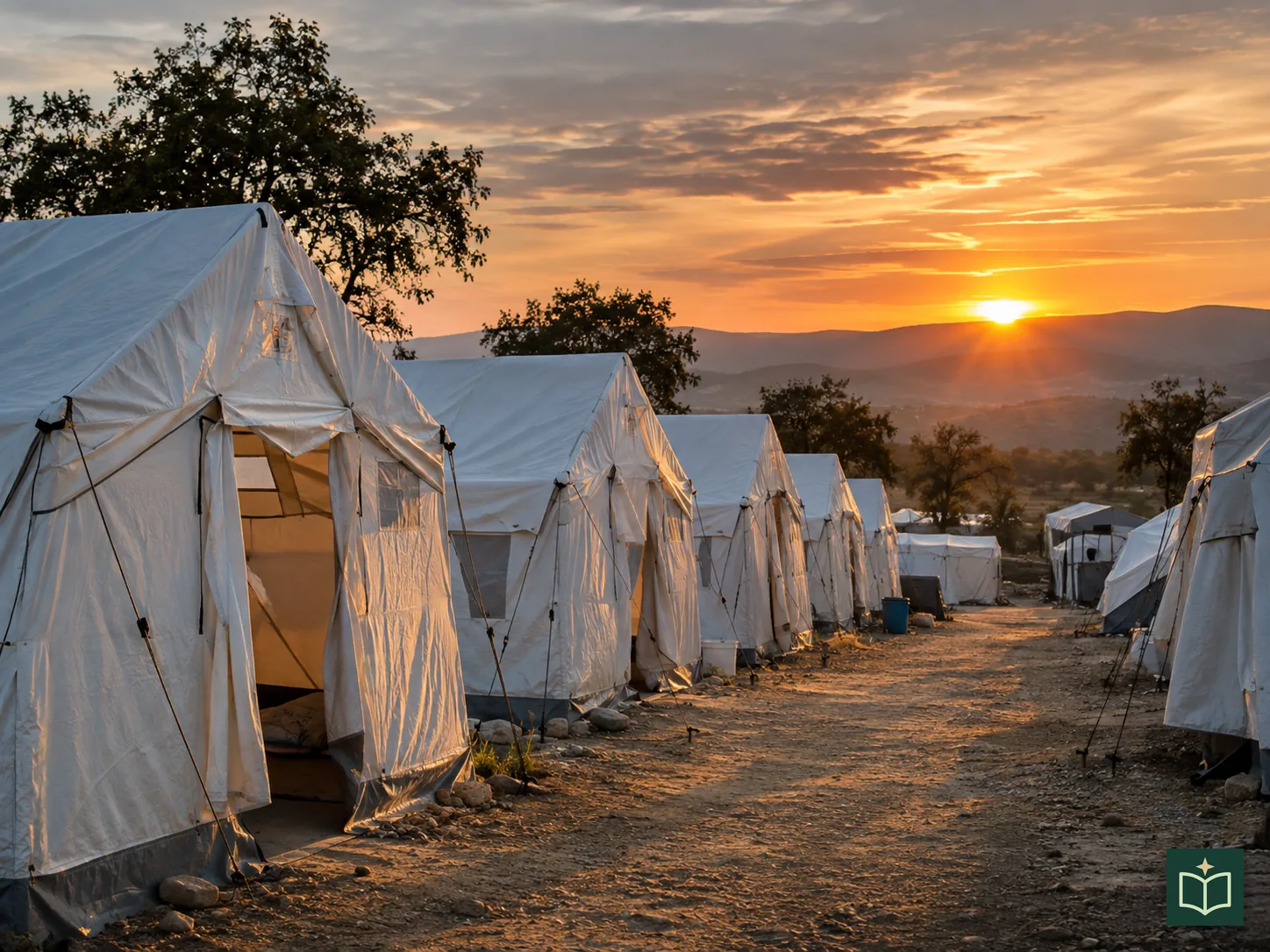
Contrary to common perceptions, most refugees remain in neighbouring countries, many of them low- or middle-income. Countries such as Türkiye, Iran, Colombia, Germany and Uganda have hosted some of the largest refugee populations in recent years. Many more people are internally displaced within their own countries and are not covered by the Refugee Convention.
Sources & further reading
Figures are rounded and widely published; check the linked organisations for the latest editions. These organisations do not endorse this website.