The common thread
A nuclear reactor keeps producing heat even after it shuts down, because radioactive products in the fuel continue to decay. That residual heat must be removed for days and weeks. All three of the best-known accidents in civil nuclear power were, at heart, failures to control heat in the core. The fuel overheated, cladding was damaged and radioactive material escaped from where it should have stayed. What differed was why control was lost and how much was released. The International Atomic Energy Agency's event scale, which runs from 1 to 7, captures that difference: Three Mile Island is rated 5, while Chernobyl and Fukushima both sit at the maximum of 7.
Three Mile Island, 1979
On 28 March 1979, at Unit 2 of the Three Mile Island plant in Pennsylvania, a fault in the feedwater system was followed by a relief valve that stuck open. Coolant drained away while an indicator in the control room suggested the valve had closed. Operators, misreading the situation, cut back the emergency cooling water. About half of the core melted. Yet the thick steel reactor vessel and concrete containment building held, and releases of radioactivity were small. The US Nuclear Regulatory Commission found no detectable health effects on the public. The accident's lessons were about people, instruments and procedures rather than radiation, and they reshaped training and control-room design.
Chernobyl, 1986
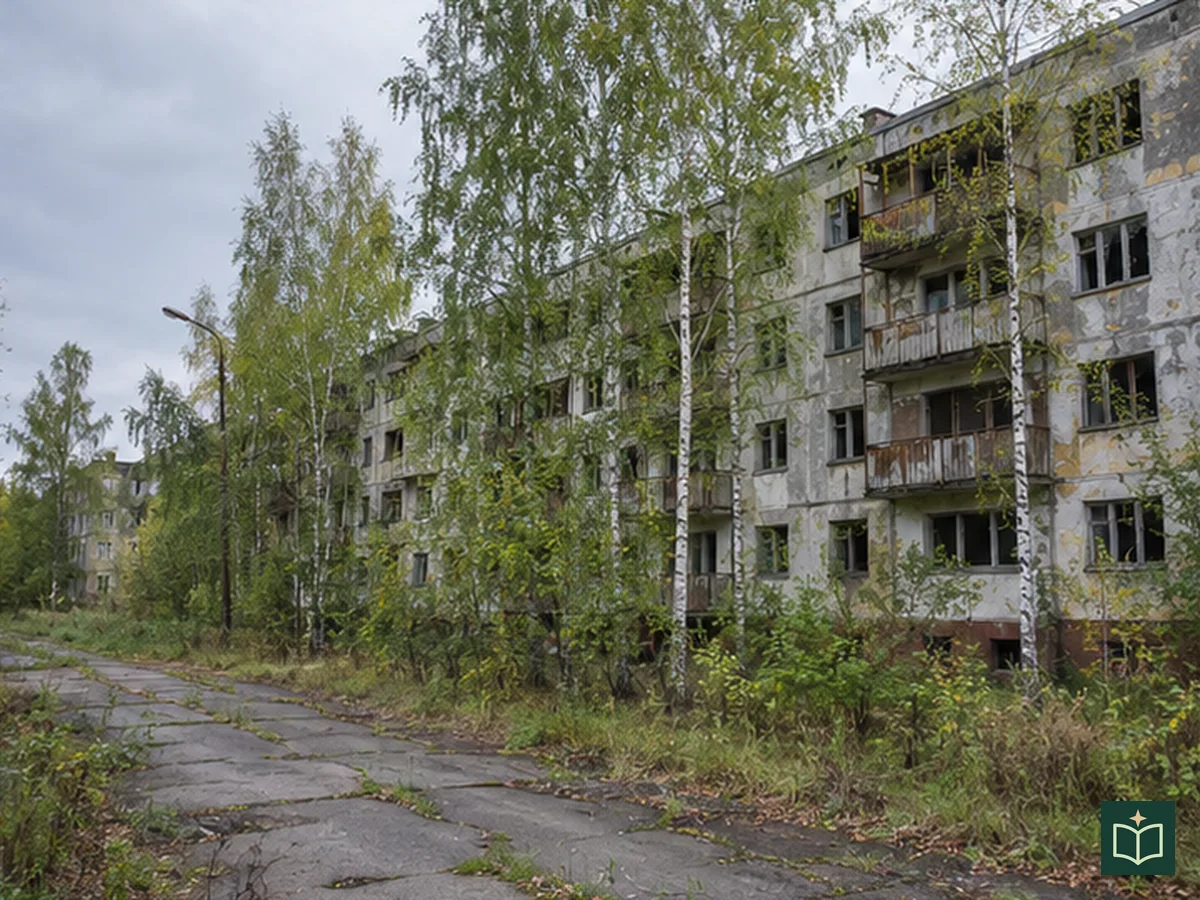
On 26 April 1986, operators at Unit 4 of the Chernobyl plant in Soviet Ukraine ran a safety test at low power, with several protective systems disabled. The RBMK reactor had a dangerous design feature: as coolant turned to steam, its power tended to rise rather than fall. When the operators tried to shut it down, the design of the control rods briefly increased reactivity. Power surged, a steam explosion destroyed the reactor and a graphite fire burned for days. With no robust containment building, large amounts of radioactivity spread across Europe. Two workers died that night and 28 more within months from acute radiation sickness. Over 100,000 people were evacuated in 1986.
Fukushima Daiichi, 2011
On 11 March 2011, a magnitude 9.0 earthquake struck off north-east Japan. The reactors at Fukushima Daiichi shut down automatically as designed. About 50 minutes later, a tsunami roughly 14 to 15 metres high overtopped the sea defences and flooded the backup diesel generators and electrical equipment. Without power, cooling stopped, and the cores of three reactors melted over the following days. Hydrogen produced by the overheating fuel exploded inside three reactor buildings. Radioactive material was released, mostly over land and the sea nearby. No deaths were attributed to acute radiation exposure, but the evacuation of well over 100,000 people caused serious hardship and contributed to deaths among elderly and frail residents.
How each changed the rules
After Three Mile Island, US regulators tightened operator training, emergency planning and control-room design, and the industry created the Institute of Nuclear Power Operations to share lessons and inspect plants. Chernobyl prompted modifications to remaining RBMK reactors and new international bodies and treaties, including the World Association of Nuclear Operators in 1989, a convention requiring early notification of accidents and the 1994 Convention on Nuclear Safety. Fukushima led Japan to create a new, independent Nuclear Regulation Authority and to shut its reactors pending checks against stricter standards. Elsewhere, regulators ran stress tests, added portable pumps and generators, and raised defences against floods, earthquakes and prolonged power loss.
Scale and perspective
The three events differ enormously in consequence. Three Mile Island damaged a reactor beyond repair but released little radiation. Chernobyl caused acute deaths, thousands of thyroid cancers among people exposed as children, mostly treatable, and an exclusion zone that remains today. Fukushima's radiation toll was low, but displacement, decontamination and decommissioning costs were vast. Public reactions shaped policy too: Germany decided to phase out nuclear power after Fukushima, while other countries, including the UAE with its four-unit Barakah plant, built new reactors under modern designs and international oversight. Long-term health estimates for Chernobyl remain debated, because they depend on modelling very low doses across large populations.
Sources & further reading
- US NRC · Backgrounder on the Three Mile Island accident ↗
- World Nuclear Association · Chernobyl accident 1986 ↗
- IAEA · Fukushima Daiichi nuclear accident ↗
Figures are rounded and widely published; check the linked organisations for the latest editions. These organisations do not endorse this website.