What nickel does
Nickel is a silvery metal valued for its resistance to corrosion and heat and its ability to strengthen alloys. Most nickel goes into stainless steel, where it stabilises a crystal structure that makes the steel tough, easy to form and resistant to rust; the common 18/8 grade used in kitchen sinks and cutlery contains about 8% nickel. Nickel-based superalloys keep their strength at the high temperatures inside jet engines and gas turbines. Nickel is also used in plating, coins and, increasingly, in battery cathodes, where high-nickel chemistries help store more energy per kilogram. Each of these uses demands nickel in a different form and purity, which links directly to where it is mined.
Sulphide deposits
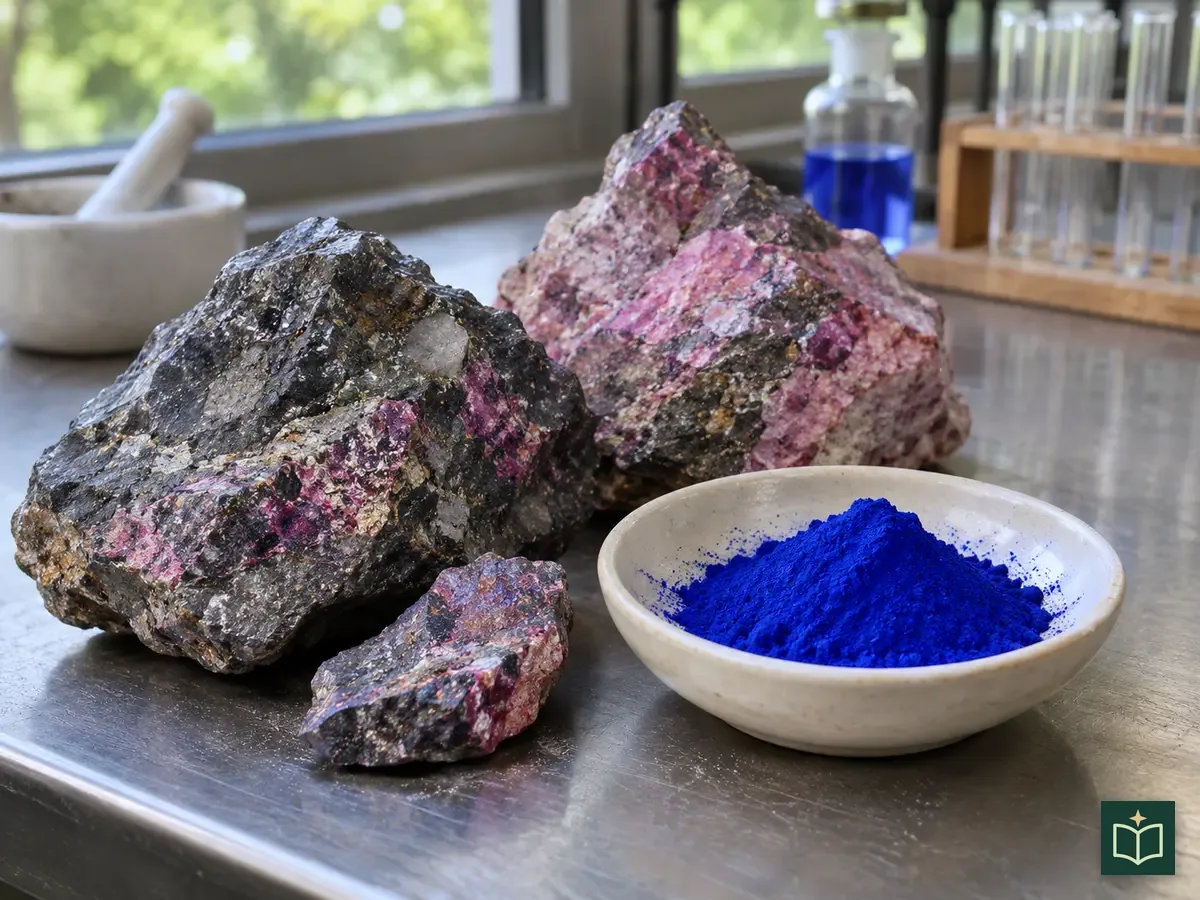
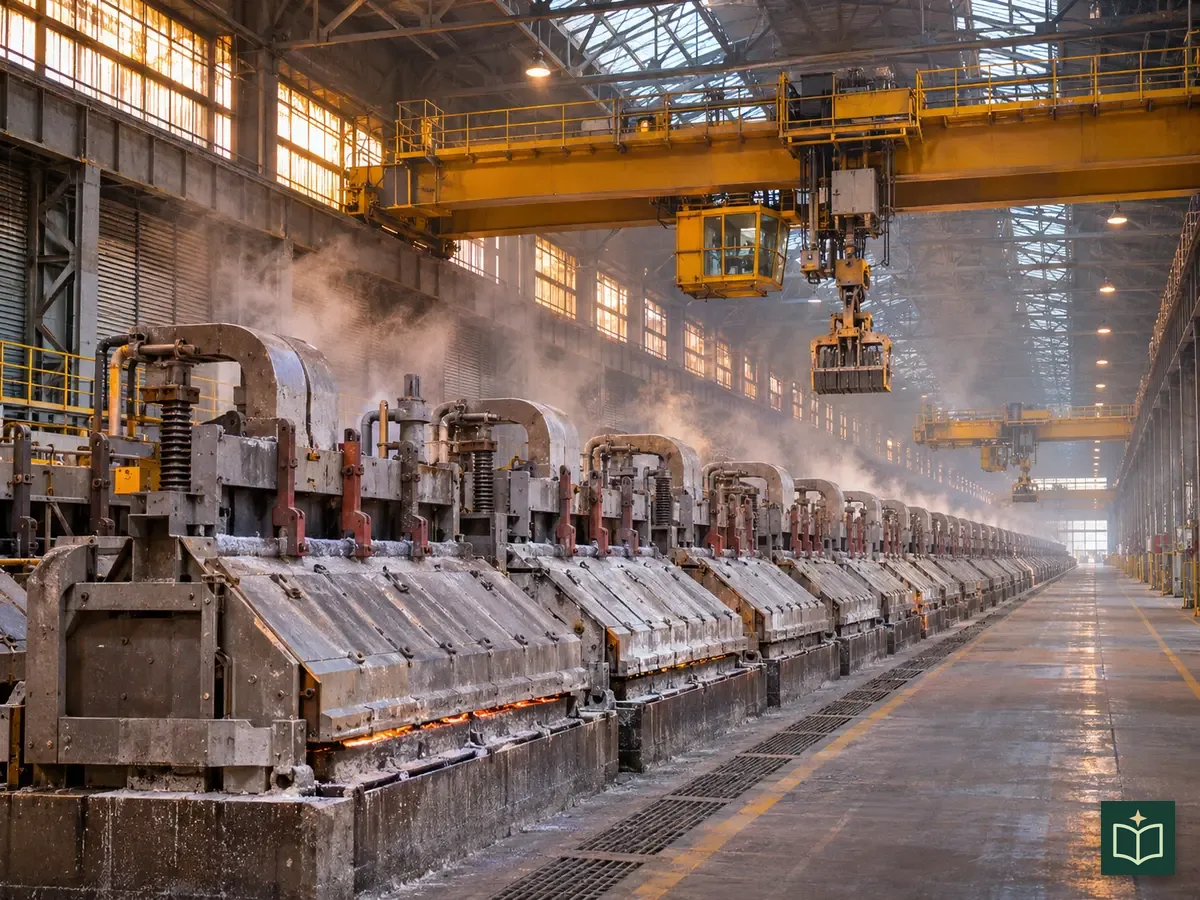
Sulphide deposits form when nickel-rich magmas separate a sulphide liquid that concentrates nickel, copper, cobalt and platinum-group metals. Famous examples include Sudbury in Canada, a basin linked to an ancient meteorite impact, and Norilsk in Arctic Russia. Sulphide ores are usually mined underground, crushed and concentrated by flotation, then smelted and refined. This route readily produces high-purity nickel, often called Class 1, containing at least 99.8% nickel and sold as cathodes, briquettes or powder. For much of the twentieth century, sulphide deposits supplied most of the world’s nickel, but many large, high-grade sulphide orebodies have been found and are being depleted.
Laterite deposits
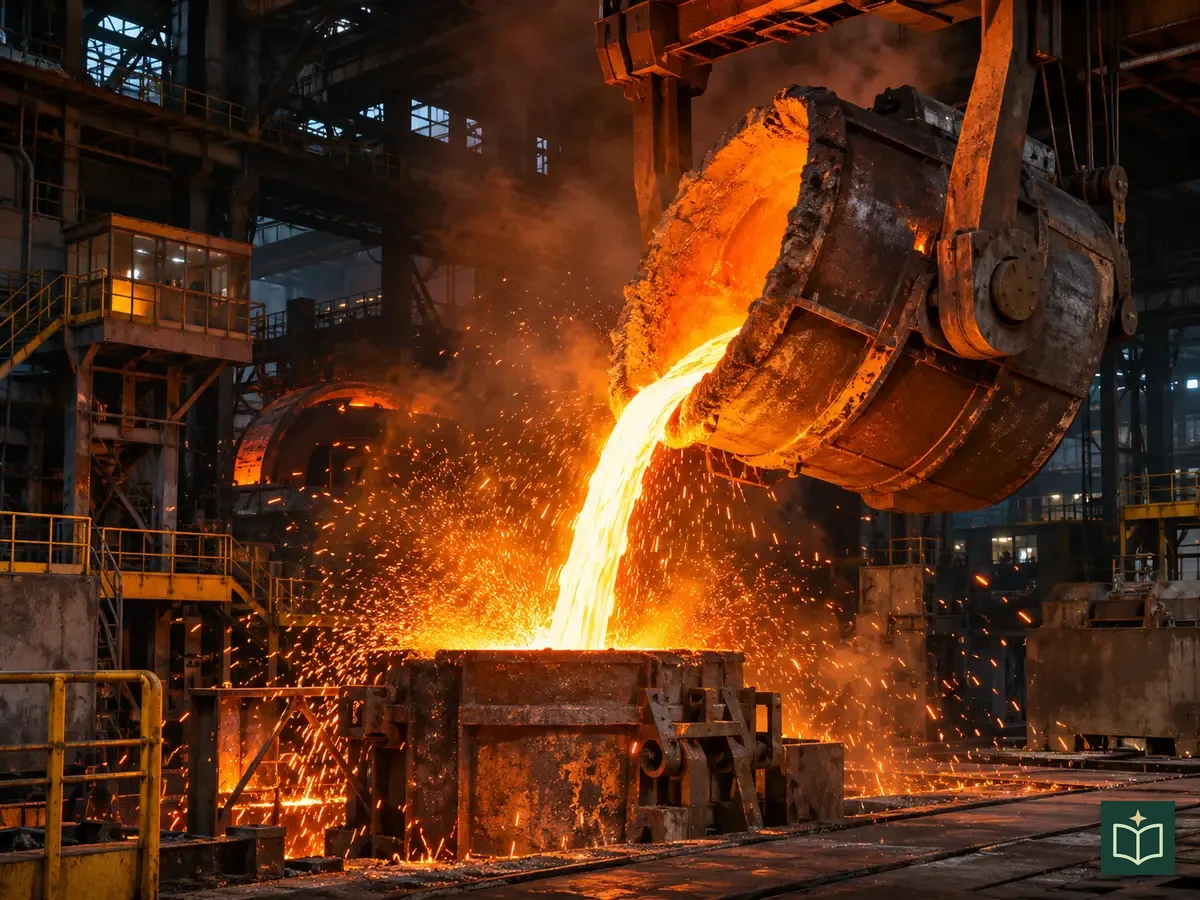
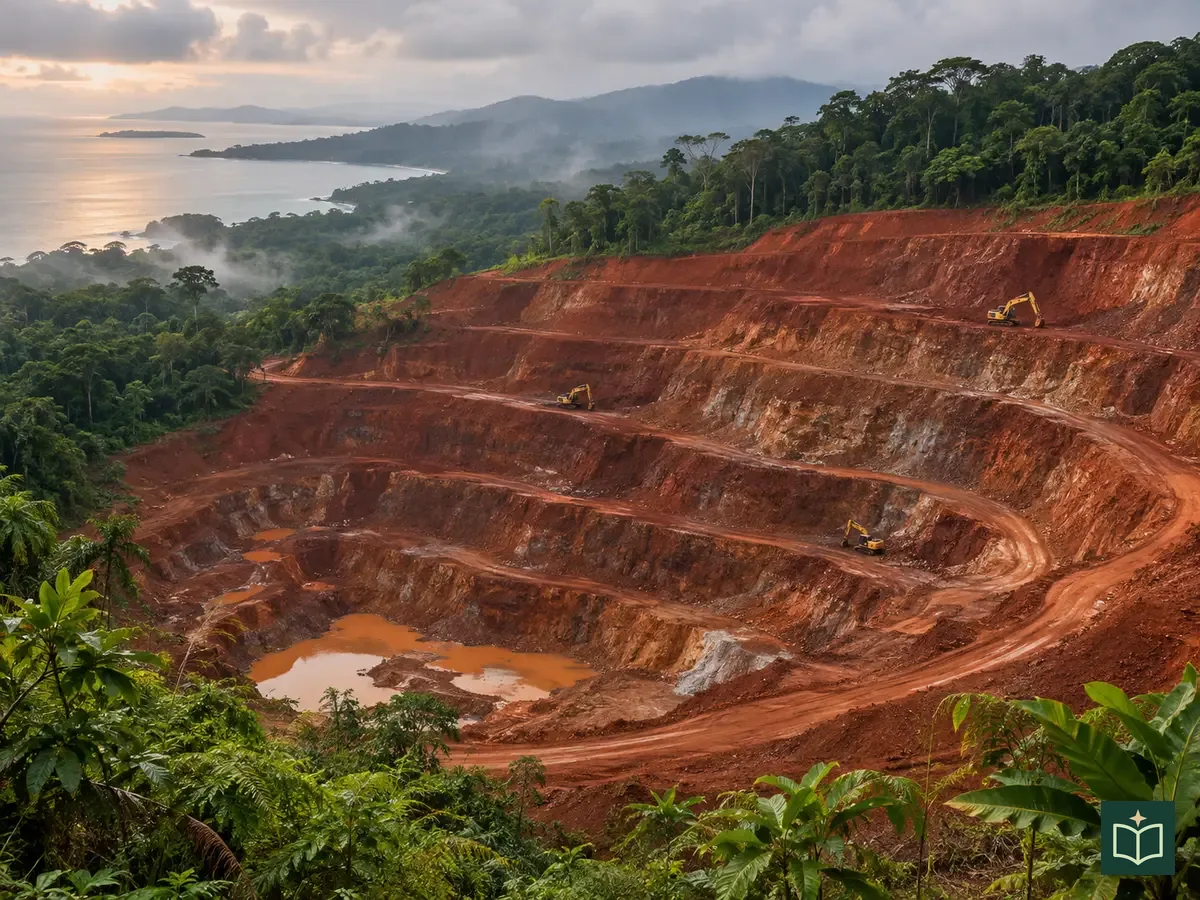
Laterites form in tropical climates when nickel-bearing rocks weather deeply over millions of years, leaving nickel concentrated in reddish soils near the surface. They hold the majority of known nickel resources and are found in Indonesia, the Philippines, New Caledonia and elsewhere. Laterite ore is mined in open pits, but it is harder to process. Much has been smelted into ferronickel or nickel pig iron, iron-nickel products with relatively low nickel content, known collectively as Class 2 nickel, which are well suited to stainless steel production. Another method, high-pressure acid leaching, dissolves nickel and cobalt from laterite ore in hot sulphuric acid, producing intermediates that can be refined for batteries.
Indonesia’s transformation
Indonesia illustrates how policy can reshape a metal market. The country banned exports of unprocessed nickel ore, first in 2014 and again from 2020 after a temporary relaxation, to encourage processing at home. Large industrial parks were built, often with Chinese investment, combining smelters, power plants and stainless steel mills. Within a few years Indonesia became by far the world’s largest nickel producer, and its plants began supplying battery-grade intermediates as well as stainless steel feed. The expansion lowered costs and increased supply, but it also raised concerns about coal-fired power, deforestation, tailings disposal and the effects on producers elsewhere, several of whom cut output or closed operations.
Class 1 and Class 2
The distinction between classes matters for markets. Exchange contracts, such as nickel traded on the London Metal Exchange, specify high-purity Class 1 metal. Yet much of the growth in supply has come from Class 2 products and battery intermediates that do not meet that specification. As a result, the exchange price and the prices of different nickel products can diverge, and analysts track them separately. Technology has blurred the old lines: some producers now convert nickel pig iron into nickel matte, an intermediate that can be refined into battery chemicals. Readers of nickel headlines therefore benefit from checking which form of nickel is being discussed before drawing conclusions about the whole market.
What to watch
Nickel demand from batteries depends on chemistry choices. Lithium iron phosphate cells use no nickel, while high-nickel cathodes use a great deal, so shifts between them affect demand significantly. Stainless steel remains the largest use and tends to follow construction and manufacturing activity. On the supply side, attention focuses on environmental standards, energy sources and the concentration of production in a few countries. Recycling of stainless steel scrap is already well established, and battery recycling is growing. This explainer is educational and offers no investment advice. Its aim is to show that nickel is really two supply chains, bound together by one chemical element and a shared but imperfect price.
Sources & further reading
Figures are rounded and widely published; check the linked organisations for the latest editions. These organisations do not endorse this website.