From goblins to blue glass
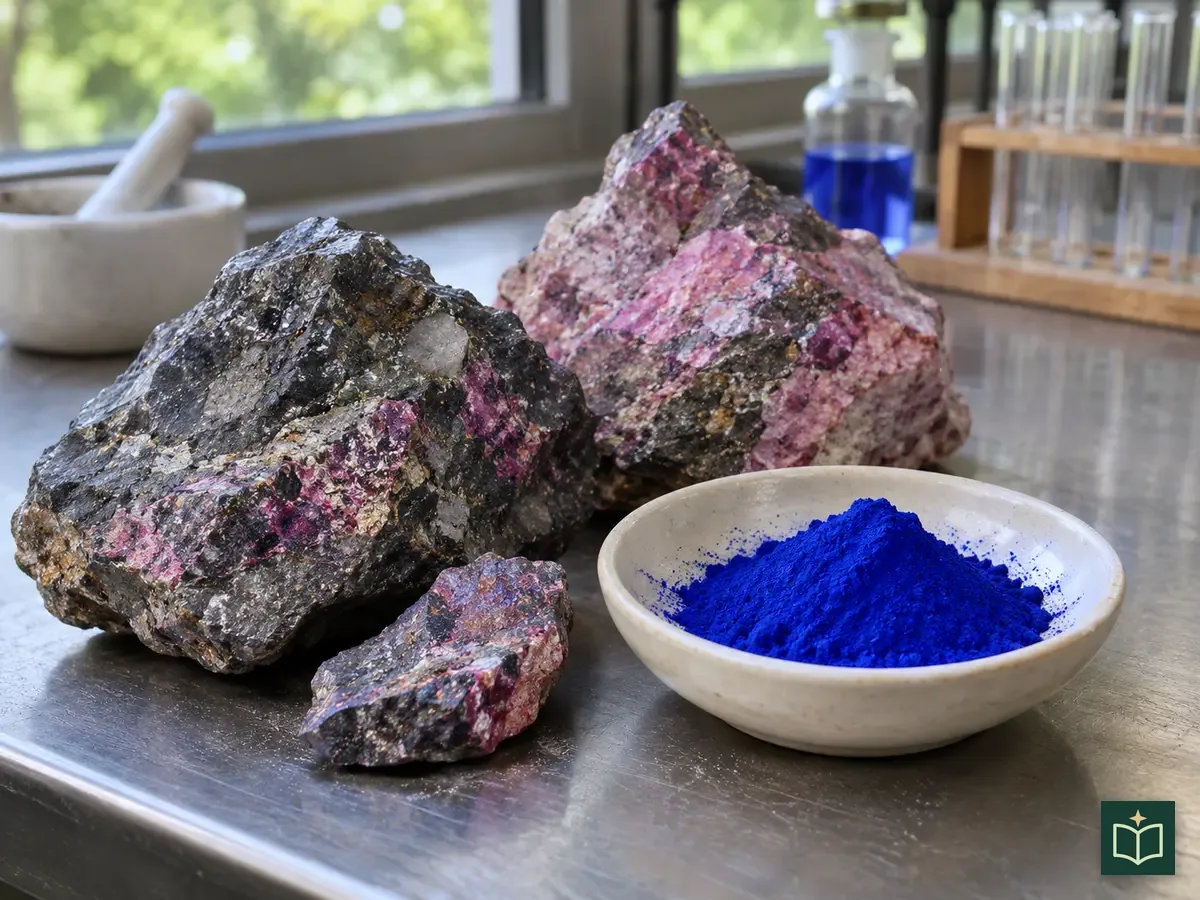
Cobalt takes its name from the German word kobold, a goblin of mining folklore. Medieval miners blamed such spirits for ores that looked valuable but released toxic fumes when smelted and yielded no useful metal, largely because cobalt minerals often contain arsenic. Long before the element was isolated by the Swedish chemist Georg Brandt in the 1730s, cobalt compounds were prized for colouring glass and ceramics a deep blue. They appear in ancient Egyptian glass and in Chinese blue-and-white porcelain. Today the pigment remains in use, but the metal’s main roles are industrial, ranging from rechargeable batteries to some of the most demanding alloys in modern engineering.
What cobalt does
In lithium-ion batteries, cobalt helps stabilise the layered structure of certain cathodes, improving safety and lifespan. Lithium cobalt oxide cathodes became standard in phones and laptops, while many electric vehicle batteries use nickel-manganese-cobalt or nickel-cobalt-aluminium chemistries. Beyond batteries, cobalt is essential in superalloys for jet engines and gas turbines, where it helps metal retain strength at high temperatures. It binds tungsten carbide particles in hard cutting tools, forms part of strong permanent magnets, and acts as a catalyst in refining and chemical processes. Cobalt is also part of vitamin B12, making it a trace requirement for human health, though people obtain it only through that vitamin.
Why it is a by-product
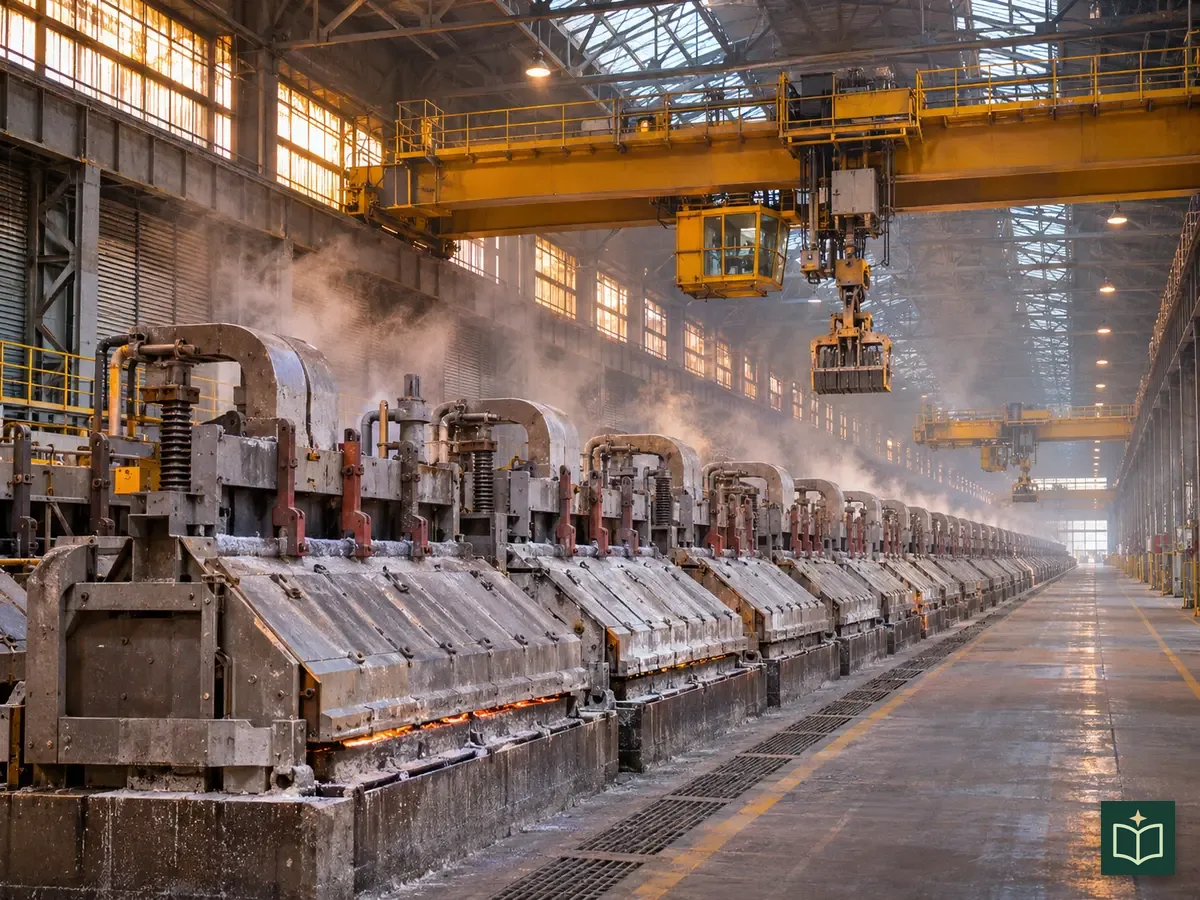
Cobalt rarely occurs in deposits rich enough to be mined for its own sake. Most of it is recovered from copper ores in the Central African Copperbelt, which stretches across the southern Democratic Republic of the Congo and into Zambia, and from nickel ores in places such as Indonesia, Australia, Russia and Canada. This makes supply unusual. When copper or nickel production expands, more cobalt can appear even if cobalt demand is weak; when those mines cut output, cobalt supply falls regardless of cobalt prices. Indonesia’s rapid growth in nickel processing, for example, has added substantial cobalt to the market as a by-product of producing battery-grade nickel intermediates.
A concentrated supply chain
The Democratic Republic of the Congo has accounted for around 70% or more of global mined cobalt in recent years, much of it from large industrial copper-cobalt mines. A smaller share comes from artisanal miners, who dig by hand, often in dangerous conditions, and investigations by journalists and human rights organisations have documented child labour at some sites. Refining is also concentrated, with China processing a large majority of the world’s cobalt into chemicals and metal. Companies increasingly use supply-chain audits, traceability systems and international due-diligence guidance, such as that published by the OECD, to manage these risks, although verifying conditions at every site remains difficult in practice.
Using less cobalt
Concerns about cost, supply and ethics have pushed battery makers to reduce cobalt use. Newer nickel-rich cathodes contain much less cobalt per kilowatt-hour than older designs. Lithium iron phosphate batteries, which have grown rapidly in electric vehicles and energy storage, contain no cobalt at all, trading some energy density for lower cost and long life. This thrifting means that cobalt demand depends heavily on which battery chemistries succeed. Recycling also offers a source of cobalt, because it is one of the more valuable components recovered from spent batteries. Phones and laptops, though, still widely use cobalt-rich cathodes, so the metal’s role in electronics remains significant.
What to watch
The cobalt market has a history of sharp price swings, driven by its small size, by-product supply and concentrated production. Government policies in producing countries, such as changes to export rules or mining codes, can have outsized effects. Watchers also follow battery chemistry trends, the expansion of Indonesian nickel processing, recycling capacity and efforts to improve conditions in artisanal mining. This explainer is educational and does not offer investment advice. Cobalt shows how a minor metal can become strategically important, and how the ethics and economics of a single supply chain can attract worldwide attention when that metal ends up in billions of everyday devices.
Sources & further reading
Figures are rounded and widely published; check the linked organisations for the latest editions. These organisations do not endorse this website.