Where fibres come from
Natural fibres are grown. Cotton comes from the fluffy seed hairs of the cotton plant, linen from the stems of flax, and wool from the fleece of sheep; silk is spun by silkworms. Plant fibres are made mostly of cellulose, while wool and silk are proteins. Synthetic fibres are manufactured. Polyester is usually made from the same polymer as plastic drinks bottles, and nylon is a family of polymers first produced in the 1930s. Both are melted or dissolved and pushed through tiny holes to form continuous filaments. Between the two groups sit semi-synthetic fibres such as viscose, made by chemically processing wood cellulose into new fibres.
How each handles moisture
The biggest practical difference is how fibres handle water. Cotton and linen draw moisture into the fibre, and wool can hold a large amount of water vapour while still feeling dry to the touch. Polyester and nylon absorb very little; water sits on the surface instead. That sounds like a disadvantage, but it explains why synthetics dry quickly and are used in sports clothing. Engineered fabrics move sweat along the fibres to the outside, where it spreads and evaporates, a process called wicking. Cotton, by contrast, gets heavy and clingy once soaked, and it dries slowly, which is why mountaineers say that cotton can be dangerous in the cold.
Comfort in the heat
In hot, dry conditions, loose cotton and linen are traditional choices for good reasons. They let air pass, absorb light sweat and do not feel clammy against the skin. Linen, with its stiff, hollow fibres, holds away from the body and feels especially cool. In the humid heat of a Gulf summer, the picture is more mixed: sweat evaporates poorly, so any fabric can feel damp. Synthetics can trap warmth and smell when they are tightly woven, because odour-causing bacteria cling to polyester more readily than to cotton. Many everyday garments, including kanduras and abayas, are made from cotton, polyester or blends that balance comfort, drape and ease of care.
Strength and durability
Synthetic fibres are generally stronger and more resistant to abrasion than cotton. Nylon in particular is tough and elastic, which is why it is used for ropes, tents, stockings and backpacks. Polyester holds its shape, resists creasing and shrinking, and survives repeated washing. Natural fibres have their own strengths. Linen becomes softer with use and is among the strongest plant fibres, though it creases easily. Wool recovers from stretching and resists odour. Heat behaviour differs too: synthetics soften and melt when exposed to flame or a very hot iron, sometimes sticking to skin, while cotton and wool char instead, a reason some workers wear natural fibres.
Myths and limits
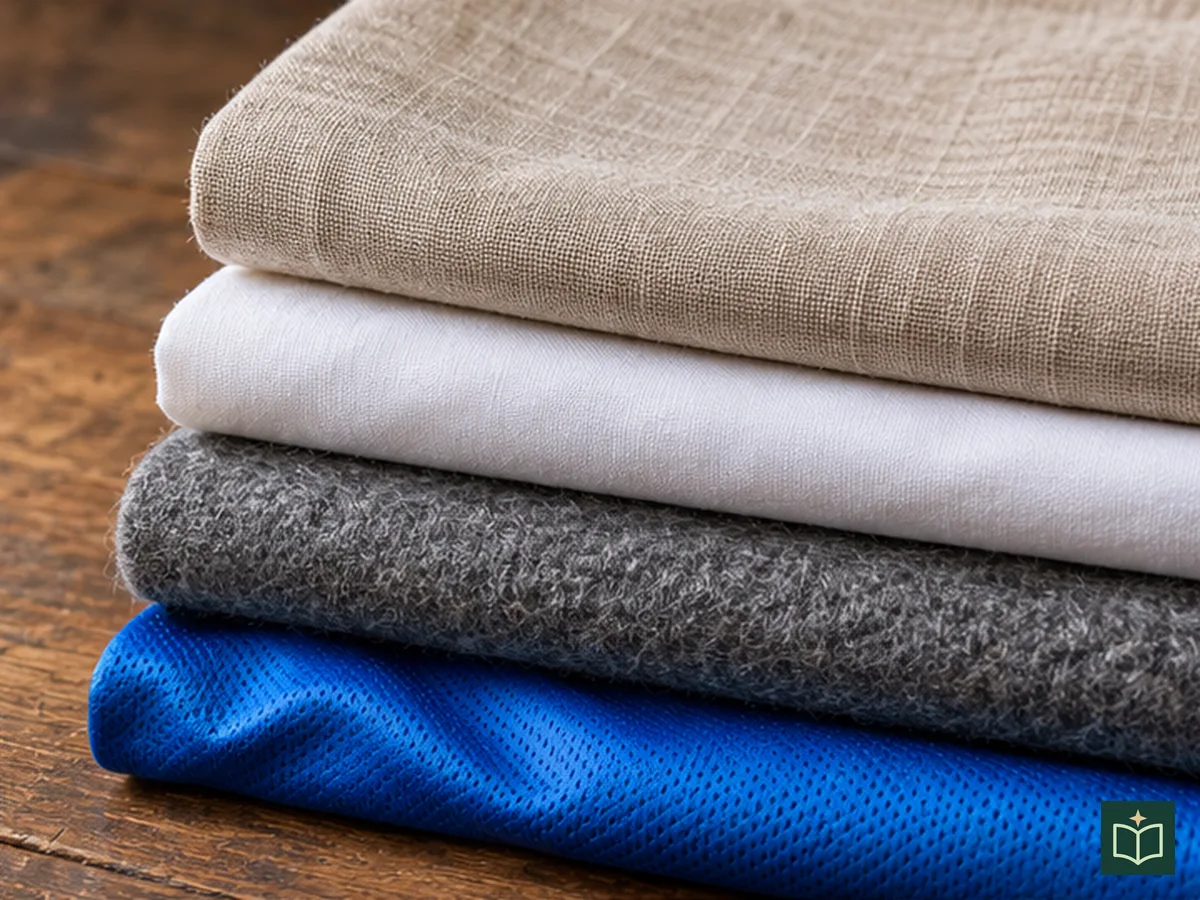
It is often said that synthetic fabrics do not breathe at all. In fact breathability depends heavily on yarn and weave: a loose polyester mesh lets far more air through than a dense cotton canvas. Another myth is that natural always means gentle on the environment. Natural fibres biodegrade, but growing and processing them carries impacts. Synthetics, on the other hand, shed microscopic fibres in the wash that reach rivers and seas, and they are made from fossil fuels. Labels can mislead too. A fabric sold under a natural-sounding name may be largely synthetic, so the fibre content on the care label is the most reliable guide.
Choosing well
The useful question is not which fibre is better, but what the garment needs to do. For a long day outdoors in dry heat, loose cotton or linen in a light colour is hard to beat. For running, cycling or gym sessions, a wicking synthetic keeps sweat moving and dries fast. For travel, blends that resist creasing save effort. Wool, surprisingly, works in both cold and mild heat because it buffers moisture. Checking the label for the fibre mix, and holding the fabric up to the light to judge how open the weave is, will tell a shopper more about comfort than the price tag or the brand.
Sources & further reading
Figures are rounded and widely published; check the linked organisations for the latest editions. These organisations do not endorse this website.